






How to Eliminate Mildew Smell in Towels: Step-by-Step Cleaning and Prevention Guide

There’s a certain comfort in wrapping yourself in a soft, clean towel after a shower. But when that towel carries a sour, musty odorAn odor is a smell, often detectable by the human nose, whic... More, it’s not just unpleasant — it’s a sign of mildewMildew is a type of fungus that grows on damp surfaces, typi... More, and it may be undermining your home’s hygiene more than you think.
The mildewMildew is a type of fungus that grows on damp surfaces, typi... More smell in towels is more than just a nuisance. It’s a red flag that moldMold is a type of fungus that grows in damp or humid conditi... More and bacteria may be present in your laundry, your storage space, or even your home’s air. As specialists in odorAn odor is a smell, often detectable by the human nose, whic... More removal, mold remediationMold remediation is the process of identifying, removing, an... More, and home restorationRestoration is the process of returning a property to its pr... More, RestorationMaster often encounters cases where what begins with a persistent towel odorAn odor is a smell, often detectable by the human nose, whic... More leads to larger indoor air qualityIndoor air quality (IAQ) refers to the condition of the air ... More or moisture control concerns.
In this comprehensive guide, we explain why towels start to smell like mildewMildew is a type of fungus that grows on damp surfaces, typi... More, how to completely eliminate the odorAn odor is a smell, often detectable by the human nose, whic... More, and how to keep your towels — and home — fresh and mildew-free long term.
What Causes the Musty Smell in Towels?
The smell you’re noticing isn’t just “old water.” It’s the byproduct of mildewMildew is a type of fungus that grows on damp surfaces, typi... More, a form of fungus that thrives in moist, dark, and poorly ventilated environments. Towels are especially vulnerable because they absorb water, trap body oils and skin cells, and often don’t dry quickly enough — creating the perfect environment for microbial growth.
Common causes of mildew smell in towels include:
- Leaving wet towels in a laundry hamper or on the floor
- Not allowing towels to dry fully before folding or storing
- Using too much detergent or fabric softener, which builds up over time
- Forgetting towels in the washer for extended periods
- Storing towels in humid or poorly ventilated spaces, such as a bathroom closet
If the odorAn odor is a smell, often detectable by the human nose, whic... More is lingering even after washing, your towels aren’t just dirty — they’re saturated with bacteria and moldMold is a type of fungus that grows in damp or humid conditi... More sporesSpores are microscopic reproductive units of fungi or mold t... More that regular detergent cannot remove.
Why Standard Washing Isn’t Enough
It’s a common misconception that simply washing towels in hot water with detergent will eliminate mildewMildew is a type of fungus that grows on damp surfaces, typi... More. In fact, many modern detergents — especially liquid formulas — are designed for low-suds cleaning and may not fully break down the layers of buildup in heavily used towels.
Moreover, fabric softeners coat towel fibers with a waxy residueResidue is any leftover material, such as soot, dust, or che... More that locks in moisture and odor-causing bacteria, making the smell worse over time.
To solve the problem at its source, you need to neutralize the bacteria and break down the residueResidue is any leftover material, such as soot, dust, or che... More. That’s where this method comes in.
How to Remove Mildew Smell from Towels: Proven Method
This process uses ingredients you likely already have in your home, but it’s not a shortcut — it’s a deep clean that removes the root cause of mildewMildew is a type of fungus that grows on damp surfaces, typi... More, not just the symptoms.
Step 1: Wash with Vinegar to Break Down Residue
- Place your affected towels in the washing machine.
- Do not add detergent or fabric softener.
- Add 1 cup of distilled white vinegar directly into the drum.
- Set the machine to a full cycle using the hottest water setting your towels can tolerate (check labels).
Why it works: White vinegar is a natural antimicrobial and deodorizer. It helps dissolve detergent residueResidue is any leftover material, such as soot, dust, or che... More, body oils, and mildewMildew is a type of fungus that grows on damp surfaces, typi... More sporesSpores are microscopic reproductive units of fungi or mold t... More embedded deep in the fibers.
Step 2: Wash Again with Baking Soda to Deodorize
- Without removing the towels, run another wash cycle.
- This time, add ½ cup of baking soda — again, without detergent.
- Use hot water and a full wash cycle.
Why it works: Baking soda neutralizes odors, lifts remaining stains, and breaks down lingering organic material that contributes to the smell.
Step 3: Dry Towels Immediately and Thoroughly
- Once the second wash is complete, transfer towels to the dryer immediately.
- Dry using high heat, or if weather permits, hang them in direct sunlight, which naturally kills bacteria and moldMold is a type of fungus that grows in damp or humid conditi... More.
- Ensure towels are completely dry before storing or folding.
Tip: Never leave damp towels in the washing machine or in a pile — even for a few hours. Bacteria can begin multiplying again in as little as 6–12 hours.
What to Do if the Smell Persists
If you’ve followed the deep-cleaning method using vinegar and baking soda and your towels still carry that unpleasant mildewMildew is a type of fungus that grows on damp surfaces, typi... More smell, don’t worry — some towels require more than one round of treatment, especially those that are older, heavily used, or made from thicker materials like Egyptian cotton or terry cloth.
Here are several steps to take if the odorAn odor is a smell, often detectable by the human nose, whic... More remains after the first attempt:
-
Repeat the deep-cleaning cycle: Run your towels through another hot water wash — first with vinegar, then with baking soda — to break down any remaining bacteria, detergent residueResidue is any leftover material, such as soot, dust, or che... More, or moldMold is a type of fungus that grows in damp or humid conditi... More sporesSpores are microscopic reproductive units of fungi or mold t... More embedded deep in the fibers. A second cycle often finishes the job when the first pass makes noticeable but incomplete progress.
-
Incorporate additional cleaning agents: If the odorAn odor is a smell, often detectable by the human nose, whic... More lingers even after a second treatment, add Borax or an oxygen-based bleach (such as OxiClean) to the wash. These products are highly effective at removing organic buildup and can reach deeper into the fabric without compromising towel integrity. Unlike chlorine bleach, which can weaken or discolor fabrics, oxygenOxygen is a chemical element essential for combustion and li... More bleach cleans without damaging fibers or releasing harmful fumes.
-
Avoid chlorine bleach: While it’s often thought of as a go-to moldMold is a type of fungus that grows in damp or humid conditi... More killer, chlorine bleach doesn’t always eliminate mildewMildew is a type of fungus that grows on damp surfaces, typi... More odors effectively and can degrade towel fibers over time. Overuse can leadLead is a heavy metal that can be toxic to humans, especiall... More to thinning, fraying, or yellowingYellowing is the discoloration of materials, such as paper, ... More, especially on white or light-colored towels.
-
Wash towels separately from other laundry: Cross-contaminationCross-contamination occurs when harmful substances, such as ... More is a real concern when dealing with mildewMildew is a type of fungus that grows on damp surfaces, typi... More. Always wash affected towels by themselves to avoid transferring bacteria and moldMold is a type of fungus that grows in damp or humid conditi... More sporesSpores are microscopic reproductive units of fungi or mold t... More to your other laundry. This also allows the towels more space in the drum for better agitation and rinsing.
How to Prevent Mildew Smell from Returning
Eliminating the odorAn odor is a smell, often detectable by the human nose, whic... More is only half the battle. The real key to keeping towels fresh and odor-free lies in consistent preventative care. Towels are one of the most frequently used textiles in any household, and how they’re handled between washes has a significant impact on their longevity and cleanliness.
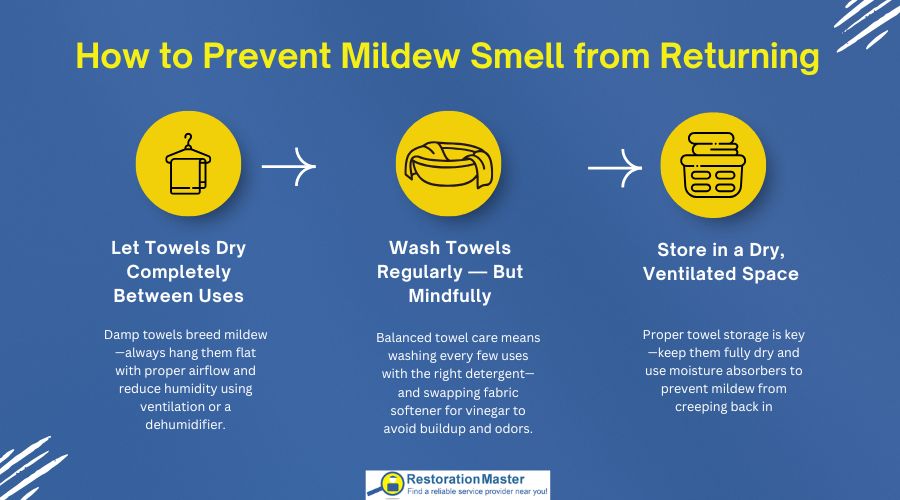
1. Let Towels Dry Completely Between Uses
Dampness is the single most important factor that encourages mildewMildew is a type of fungus that grows on damp surfaces, typi... More growth. To minimize moisture buildup:
- Always hang towels flat over a rod rather than on hooks, which create creases where moisture gets trapped.
- If possible, hang towels in an area with good air circulation — near an open window or under a vent fan.
- In humid climates or bathrooms with poor ventilationVentilation is the process of exchanging or circulating air ... More, consider using a dehumidifierA dehumidifier is a device that removes excess moisture from... More, heated towel rack, or leaving the bathroom door open after showering to help reduce ambient moisture.
2. Wash Towels Regularly — But Mindfully
While over-washing can wear down towels, under-washing allows bacteria to build up. Striking the right balance is essential:
- Wash towels after every 3 to 4 uses to remove body oils, soap residueResidue is any leftover material, such as soot, dust, or che... More, and skin cells that fuel bacterial growth.
- Use the appropriate amount of detergent — more detergent doesn’t mean cleaner towels. In fact, excess soap can cause buildup that locks in odorAn odor is a smell, often detectable by the human nose, whic... More.
- Replace fabric softeners with distilled white vinegar during the rinse cycle. Vinegar naturally softens fabric and breaks down residues without the waxy coating that traditional softeners leave behind.
3. Store in a Dry, Ventilated Space
Even freshly laundered towels can develop mildewMildew is a type of fungus that grows on damp surfaces, typi... More if stored improperly. To keep towels fresh long after washing:
- Ensure they are completely dry before folding or placing them in a closet.
- Avoid storing towels in bathrooms or damp basements unless there is reliable ventilationVentilation is the process of exchanging or circulating air ... More or humidityHumidity is the amount of moisture or water vapor present in... More control.
- Add moisture-absorbing products — such as silica gel packets, activated charcoal, or baking soda sachets — to linen cabinets, especially in humid regions.
A proactive storage strategy is essential to preserving the results of your cleaning efforts.
When to Replace Your Towels
Even with proper care and the best restorationRestoration is the process of returning a property to its pr... More methods, towels don’t last forever. Over time, repeated exposure to moisture, heat, detergents, and body oils begins to degrade fabric quality.
It may be time to replace your towels if:
- The mildewMildew is a type of fungus that grows on damp surfaces, typi... More smell persists after multiple deep cleaning attempts
- They feel stiff, slimy, or rough to the touch
- You notice visible signs of moldMold is a type of fungus that grows in damp or humid conditi... More or discoloration, especially dark spotting
- They no longer absorb water effectively
In general, high-quality bath towels last between two to three years with consistent use and care. After that, their fibers become less efficient at wicking away moisture and more prone to retaining bacteria and odors.
Replacing them regularly isn’t just about freshness — it’s also about hygiene.
Final Thoughts: Why Clean Towels Start with a Clean Home
A lingering mildewMildew is a type of fungus that grows on damp surfaces, typi... More smell in towels can signal more than just a laundry issue — it may be an early sign of excessive indoor humidityHumidity is the amount of moisture or water vapor present in... More, poor ventilationVentilation is the process of exchanging or circulating air ... More, or even hidden moldMold is a type of fungus that grows in damp or humid conditi... More within your home. And while deep cleaning can solve most towel odorAn odor is a smell, often detectable by the human nose, whic... More problems, the underlying conditions that cause mildewMildew is a type of fungus that grows on damp surfaces, typi... More must also be addressed to prevent reoccurrence.
At RestorationMaster, we help homeowners and property managers uncover and resolve the root causes of moldMold is a type of fungus that grows in damp or humid conditi... More, odorAn odor is a smell, often detectable by the human nose, whic... More, and moisture damage. Whether the issue is localized to your laundry room or spreading throughout your home, our certified restorationRestoration is the process of returning a property to its pr... More professionals provide comprehensive solutions including:
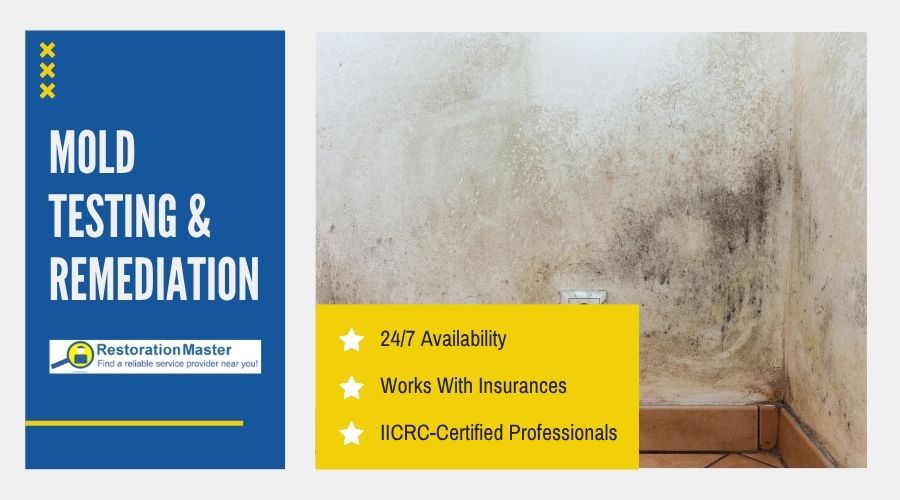
- Mold inspection and remediation
- Water damage cleanup and drying
- OdorAn odor is a smell, often detectable by the human nose, whic... More removal using advanced deodorization techniques
- Moisture control assessments and air quality support
If you’ve noticed that musty smell extending beyond your towels — in your walls, carpets, cabinets, or HVAC system — it’s time to go beyond surface cleaning.
Contact RestorationMaster today to schedule a professional consultation. We’ll help restore not only your towels but the comfort and cleanliness of your entire home.

About Vince Sandri
Vince Sandri is a content writer and blogger with more than 12 years of experience. His expertise is in creating content related to disaster restorationRestoration is the process of returning a property to its pr... More, including information about preventing and reacting to natural disasters like floodingFlooding is the overflow or accumulation of water in areas t... More, water damage, fire and smoke damage, moldMold is a type of fungus that grows in damp or humid conditi... More growth, storm damage and more.
Vince has been the main contributor to RestorationMasterFinder.com since 2014. Over that time, he has written numerous service pages and blogs for disaster restorationRestoration is the process of returning a property to its pr... More providers featured on RestorationMasterFinder.com. Vince has done extensive research and covered a wide range of topics relating to disaster restorationRestoration is the process of returning a property to its pr... More to help homeowners, business owners, and property managers better protect their property. He understands the problems that disasters like floodingFlooding is the overflow or accumulation of water in areas t... More, fire, smoke, and moldMold is a type of fungus that grows in damp or humid conditi... More can cause as well as the best ways to respond to these issues to limit the damage.
Vince completed his Bachelor of Arts degree at Aurora University and his master’s degree at DePaul University. He has been writing SEO website pages, blogs, and press releases since 2012. Vince is also a musician and can be seen playing in the Chicago, IL area.