



Best Ways To Improve Indoor Air Quality And Reduce Air Pollution
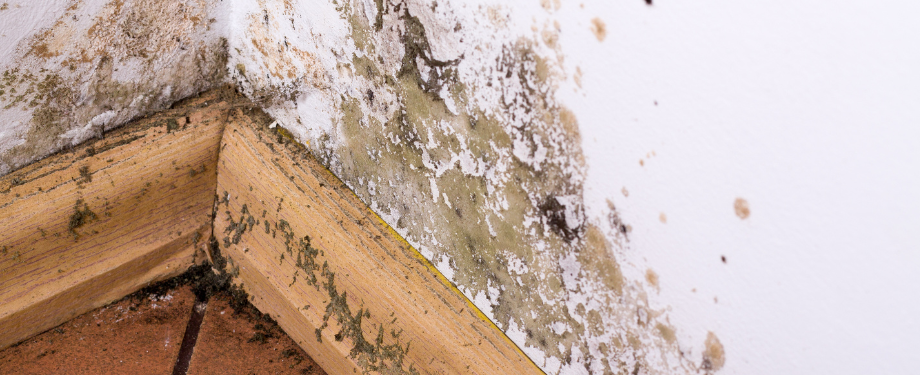
 When we think about air pollutionPollution is the introduction of harmful substances into the... More, most of us think about the smog that we see hanging over large cities, especially during the summer. However, the air inside our homes is often more polluted than the air outside. LeadLead is a heavy metal that can be toxic to humans, especiall... More (from old paint), radonRadon is a naturally occurring radioactive gas that can accu... More, fire-retardants, formaldehyde, chemicals – these can all be hanging around in the air we breathe. These pollutants often arrive into our homes in new mattresses, furniture, and conventional household cleaners. Other pollutants like pet dander, moldMold is a type of fungus that grows in damp or humid conditi... More and dust mites are added to the mix.
People who have asthma, the elderly and children can be very sensitive to bad indoor air, but all of us are probably affected to some degree after years of exposure.
We spend more time indoors these days, and we also tend to insulate our homes better, which ironically means we are being more exposed to indoor pollutants than we used to be.
Here are some things you can do to help minimize the pollutants in your home:
Use large floor mats at every entrance. Mats actually help prevent the amount of dirt and pesticides and other pollutants that you carry on your feet from getting into your home.
Vacuum often. Use a vacuum that has strong suction, rotating brushes and a HEPA filter to make sure that dust and dirt won’t get blown back out in the exhaust. For best results, vacuum 2-3 times per week and wash out the filter on a regular basis.
Get a professional carpet cleaning service done at least once per year. All the vacuuming in the world will not clean your carpets and rugs as effectively as a professional carpet cleaning. Dust and dirt get trapped inside the fibers of your carpeting and get ground down into the padding when we walk on them. Add a little moisture, and dust mites and moldMold is a type of fungus that grows in damp or humid conditi... More start to grow. A thorough carpet cleaning will remove a good portion of the allergens. Check to see if your carpet cleaner can use eco-friendly or “green” cleaning products, which will also help cut down on indoor air pollutionIndoor air pollution refers to the presence of harmful subst... More.
Mop your floors often. On non-carpeted floors, mopping will pick up dust and dirt. Try a microfiber mop that captures even more dust and dirt than traditional mops.
Watch the humidityHumidity is the amount of moisture or water vapor present in... More in your home. MoldMold is a type of fungus that grows in damp or humid conditi... More and dust mites thrive with moisture. Keep the humidityHumidity is the amount of moisture or water vapor present in... More in your home to between 30-50% to keep allergens under control. Too much moisture or accidental water leakage may require water damage restoration services to be properly cleaned and prevent moldMold is a type of fungus that grows in damp or humid conditi... More growth.
Don’t smoke inside the home. This may seem like a no-brainer, but it does bear repeating. Cigarette smoke contains more than 4,000 chemicals. Secondhand smoke increases a child’s risk of asthma, cancer, developing ear and respiratory infections and sudden infant death syndrome (SIDS).
Test for radonRadon is a naturally occurring radioactive gas that can accu... More. RadonRadon is a naturally occurring radioactive gas that can accu... More is a radioactive gas that comes from the decay of uranium found in most soils. It often moves up through the ground and into your home through holes and cracks in the foundation. You could have a radonRadon is a naturally occurring radioactive gas that can accu... More problem in an old or new home – it doesn’t matter. This gas increases the risk of lung cancer and in fact is the second leading cause of lung cancer in the US.
Fortunately, testing radonRadon is a naturally occurring radioactive gas that can accu... More levels is inexpensive and takes only a few minutes. If your home has high radonRadon is a naturally occurring radioactive gas that can accu... More levels, there are simple ways to reduce levels of the gas that are not too costly. The Environmental Protection Agency offers a “Consumer’s Guide to RadonRadon is a naturally occurring radioactive gas that can accu... More Reduction.”
Use natural products. Synthetic products in laundry products and air fresheners contain dozens of different chemicals that are released into your home’s air. Those plug-in air fresheners can have as many as 20 different volatile organic compounds, some of which can be toxic. Look for fragrance-free or naturally-scented laundry products. Stop using aerosol sprays.
Let in fresh air whenever you can. Even during the winter, when you get a milder day, open a window or two for a bit to bring in some fresh air. Air pollutionPollution is the introduction of harmful substances into the... More increases significantly in colder climates during the winter months because we keep them shut tight.
Bring in some houseplants. Plants are living air purifiers and can absorb chemical pollutants.
More tips about improving indoor air qualityIndoor air quality (IAQ) refers to the condition of the air ... More

About Vince Sandri
Vince Sandri is a content writer and blogger with more than 12 years of experience. His expertise is in creating content related to disaster restorationRestoration is the process of returning a property to its pr... More, including information about preventing and reacting to natural disasters like floodingFlooding is the overflow or accumulation of water in areas t... More, water damage, fire and smoke damage, moldMold is a type of fungus that grows in damp or humid conditi... More growth, storm damage and more.
Vince has been the main contributor to RestorationMasterFinder.com since 2014. Over that time, he has written numerous service pages and blogs for disaster restorationRestoration is the process of returning a property to its pr... More providers featured on RestorationMasterFinder.com. Vince has done extensive research and covered a wide range of topics relating to disaster restorationRestoration is the process of returning a property to its pr... More to help homeowners, business owners, and property managers better protect their property. He understands the problems that disasters like floodingFlooding is the overflow or accumulation of water in areas t... More, fire, smoke, and moldMold is a type of fungus that grows in damp or humid conditi... More can cause as well as the best ways to respond to these issues to limit the damage.
Vince completed his Bachelor of Arts degree at Aurora University and his master’s degree at DePaul University. He has been writing SEO website pages, blogs, and press releases since 2012. Vince is also a musician and can be seen playing in the Chicago, IL area.