






How to Protect Terracotta Pots from Mold
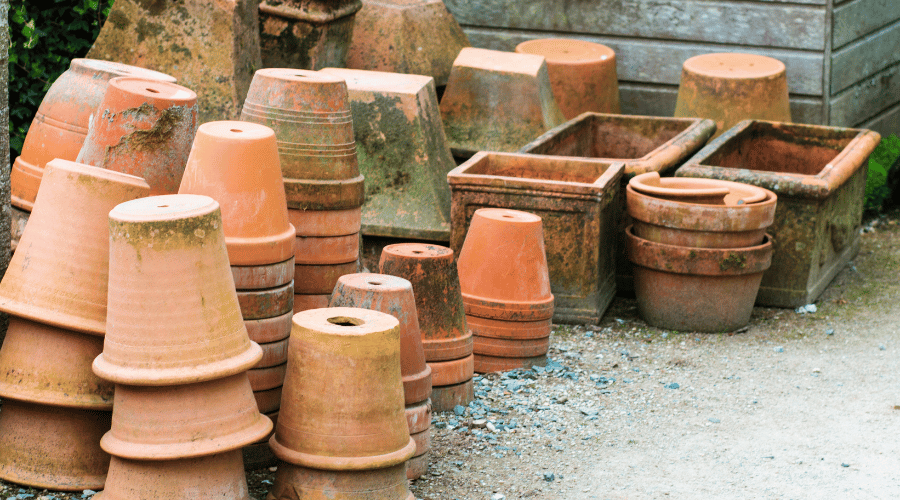
MoldMold is a type of fungus that grows in damp or humid conditi... More can be a homeowner’s worst nightmare. It often takes residence where it’s not wanted and creates headaches and expense in the process of removing it. To protect terracotta pots from moldMold is a type of fungus that grows in damp or humid conditi... More, there are several actions you can take to discourage its presence and keep your prized plants safe. With the right maintenanceMaintenance is the routine care, inspection, and repair of a... More and preventative care, terracotta pots, planters, flowerpots, hanging baskets or other vessels that hold greenery can avoid moldMold is a type of fungus that grows in damp or humid conditi... More and look beautiful for years to come.
In this blog post, we’ll explore helpful mold remediation tips that will help you protect your terracotta products from unwanted growth.
Why Does Mold Grow on Terracotta Pots?
MoldMold is a type of fungus that grows in damp or humid conditi... More is a common occurrence in terracotta pots, as they provide the perfect environment for it to thrive. The porousPorous describes a material that contains small openings or ... More nature of terracotta allows moisture absorbed from soil to linger and fuel the growth of moldMold is a type of fungus that grows in damp or humid conditi... More. In an area with low air flow, high humidityHumidity is the amount of moisture or water vapor present in... More, and reduced lighting, these conditions become more favorable for moldMold is a type of fungus that grows in damp or humid conditi... More formation. Watering plants too often can also hasten the spread of moldMold is a type of fungus that grows in damp or humid conditi... More since it increases moisture levels in the soil, remaining on the pot’s surface due to its absorptive properties. Low light is yet another contributing factor; when plants photosynthesize less there is not enough water drawn from the soil, meaning that it remains moist much longer than normal.
How to Prevent Mold Growth on Terracotta
1. Glaze your pots
Glazing clay pots is a great way to ensure their long-term protection. By sealing the surface of the clay, the glaze forms a barrier that makes it resistant to stains and fungal growths. It can be a simple process to get done: either pottery you already own can be glazed or reglazed, or you can take your old pots to a potter who will be able to give them new life with a fresh glaze. Glazing is a practical and affordable way to care for these beautiful pieces of art, allowing you to keep your favorite mementos for years to come.
2. Use proper drainage
Good drainage and correct watering are essential for successful clay pot gardening. A hole for water runoffRunoff is water from rain or other sources that flows over s... More prevents mineral stains, as well as discourages moldMold is a type of fungus that grows in damp or humid conditi... More growth. Watering must be done judiciously, as overwatering causes soil to become oversaturated with moisture, putting the clay pot at risk of becoming a breeding ground for moldMold is a type of fungus that grows in damp or humid conditi... More. This is due to the absorbent qualities of the clay. With proper drainage and moderation, when it comes to using the irrigation system, you can keep your clay pots looking great and without threat of moldMold is a type of fungus that grows in damp or humid conditi... More growth.
3. Ensure adequate ventilation
Ventilation plays an extremely important role when caring for clay pots. In damp conditions, adequate airflow is necessary to ensure that moisture can circulate, preventing moldMold is a type of fungus that grows in damp or humid conditi... More growth and further damage caused by moisture being deposited in the crevices of the pots. As such, it is essential to consider ways in which you can improve ventilationVentilation is the process of exchanging or circulating air ... More even if only small steps are taken as a preventative measure. Doing so will not only help your clay pots last longer but also prevent them from becoming discolored due to moldMold is a type of fungus that grows in damp or humid conditi... More growth. Taking this simple step will go a long way to ensuring that your clay pots remain in good condition for many years.
How to Remove Mold from Your Terracotta Pots
1. Use a bleach solution
Terracotta pots can be a great way to house your favorite plants; however, they are also prone to attracting moldMold is a type of fungus that grows in damp or humid conditi... More. Fortunately, bleach diluted in water is an effective cleaning agent for moldMold is a type of fungus that grows in damp or humid conditi... More on terracotta pots. To use it safely and effectively, you should mix one part bleach in 20 parts of water in a spray bottle and take the whole plant along with the root ball out of the pot before applying. Then spray the outside surface liberally with bleach solutionA solution is a homogeneous mixture of two or more substance... More and scrub gently. Once the moldMold is a type of fungus that grows in damp or humid conditi... More has been removed, it’s essential to ensure that no traces of bleach remain. To do this, submerge the pot in clean water and let it sit for a few hours; repeat this process 2-3 times to make sure you effectively washed away all remnants of the chemical. Let the pot air out afterwards–if possible, open some windows nearby–in order for the smell of bleach to dissipate before putting your plant back in. If desired, you may also place your plant in a temporary container in the meantime.
2. Use hydrogen peroxide
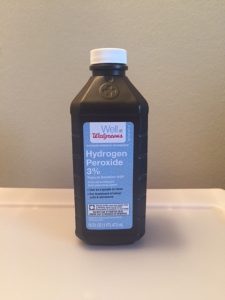
Hydrogen peroxide is one of the simplest and most effective ways to safely remove moldMold is a type of fungus that grows in damp or humid conditi... More from your pots. Begin by pouring 3% hydrogen peroxide into a spray bottle, then spray the outside of the affected pots with it. Let the solutionA solution is a homogeneous mixture of two or more substance... More sit for several minutes, and you should notice that it is sizzling as it interacts with the moldMold is a type of fungus that grows in damp or humid conditi... More growth. Once you’re done, wash off the outside of your pots with water to physically remove as much moldMold is a type of fungus that grows in damp or humid conditi... More as possible; you may need to scrub tough spots with a brush. Finally, for good measure, consider spraying a light layer of hydrogen peroxide on the outside of your pots after the treatment. As you do this, be careful to keep the hydrogen peroxide away from light so that it stays active and can effectively kill moldMold is a type of fungus that grows in damp or humid conditi... More.
There are a few things you can do to protect your terracotta pots from moldMold is a type of fungus that grows in damp or humid conditi... More. Glazing your pots, using proper drainage, and ensuring adequate ventilationVentilation is the process of exchanging or circulating air ... More are all great preventative measures you can take today to reduce the likelihood of finding moldMold is a type of fungus that grows in damp or humid conditi... More on your pots in the future. If you already have moldMold is a type of fungus that grows in damp or humid conditi... More growth, however, there is no need to despair. There is an easy proven method for removing mold–in fact, using a simple bleach solutionA solution is a homogeneous mixture of two or more substance... More or hydrogen peroxide should do the trick. With the right efforts, you can keep your terracotta pots looking like new for longer periods of time.
If you have more extensive moldMold is a type of fungus that grows in damp or humid conditi... More issues in your home that require professional help, make sure to call a reputable professional for comprehensive mold removal and remediation services that will keep your home beautiful and safe from the dangers of moldMold is a type of fungus that grows in damp or humid conditi... More.
FAQs – Mold on Terracotta Pots
Can I use vinegar to clean terracotta pots?
Yes, vinegar is a natural and effective way to clean terracotta pots. Mix equal parts white vinegar and water, then soak or scrub the pot to remove mineral buildup, moldMold is a type of fungus that grows in damp or humid conditi... More, or algae. After cleaning, rinse thoroughly and let the pot dry completely before replanting. This method is especially useful for eliminating white residueResidue is any leftover material, such as soot, dust, or che... More and organic stains.
Can you clean moldMold is a type of fungus that grows in damp or humid conditi... More out of pots?
Absolutely. MoldMold is a type of fungus that grows in damp or humid conditi... More can be safely cleaned from plant pots using a bleach solutionA solution is a homogeneous mixture of two or more substance... More (1 part bleach to 20 parts water), hydrogen peroxide, or vinegar. Scrub the surface gently with a brush, then rinse and let the pot dry completely. Proper cleaning helps prevent moldMold is a type of fungus that grows in damp or humid conditi... More from returning and keeps your pots safe for plants.
Is moldMold is a type of fungus that grows in damp or humid conditi... More on terracotta pots harmful?
MoldMold is a type of fungus that grows in damp or humid conditi... More on the outside of terracotta pots is usually not harmful to plants, but it may indicate excess moisture and poor airflow. If moldMold is a type of fungus that grows in damp or humid conditi... More appears inside the pot or on the soil, it can leadLead is a heavy metal that can be toxic to humans, especiall... More to root rot or fungal issues. Regular cleaning and proper drainage help prevent mold-related plant problems.
Why is my terracotta turning black?
Terracotta pots can turn black due to moldMold is a type of fungus that grows in damp or humid conditi... More, algae, or moisture buildup on the porousPorous describes a material that contains small openings or ... More surface. Overwatering, poor drainage, and shaded environments create ideal conditions for organic growth. Cleaning the pots with vinegar or hydrogen peroxide can restore their natural appearance and prevent future discoloration.

About Vince Sandri
Vince Sandri is a content writer and blogger with more than 12 years of experience. His expertise is in creating content related to disaster restorationRestoration is the process of returning a property to its pr... More, including information about preventing and reacting to natural disasters like floodingFlooding is the overflow or accumulation of water in areas t... More, water damage, fire and smoke damage, moldMold is a type of fungus that grows in damp or humid conditi... More growth, storm damage and more.
Vince has been the main contributor to RestorationMasterFinder.com since 2014. Over that time, he has written numerous service pages and blogs for disaster restorationRestoration is the process of returning a property to its pr... More providers featured on RestorationMasterFinder.com. Vince has done extensive research and covered a wide range of topics relating to disaster restorationRestoration is the process of returning a property to its pr... More to help homeowners, business owners, and property managers better protect their property. He understands the problems that disasters like floodingFlooding is the overflow or accumulation of water in areas t... More, fire, smoke, and moldMold is a type of fungus that grows in damp or humid conditi... More can cause as well as the best ways to respond to these issues to limit the damage.
Vince completed his Bachelor of Arts degree at Aurora University and his master’s degree at DePaul University. He has been writing SEO website pages, blogs, and press releases since 2012. Vince is also a musician and can be seen playing in the Chicago, IL area.