



How Mold Growth Develops
Finding moldMold is a type of fungus that grows in damp or humid conditi... More growth in your home is certainly not fun. To prevent it from developing and spreading further, quick action will need to be taken. While there are numerous types of moldMold is a type of fungus that grows in damp or humid conditi... More, some more dangerous than others, none of it belongs in your home. MoldMold is a type of fungus that grows in damp or humid conditi... More growth can cause serious structural damage as well as negative health effects, and it’s difficult and dangerous to remove. If you find moldMold is a type of fungus that grows in damp or humid conditi... More in your home, you must work with a mold remediation professional to have it removed safely.
Understanding just how moldMold is a type of fungus that grows in damp or humid conditi... More develops is important for preventing it. No doubt it’s bad, but exactly how is moldMold is a type of fungus that grows in damp or humid conditi... More able to develop and spread to other areas? This is certainly a question worth looking into to help better protect your home from the effects of moldMold is a type of fungus that grows in damp or humid conditi... More growth.
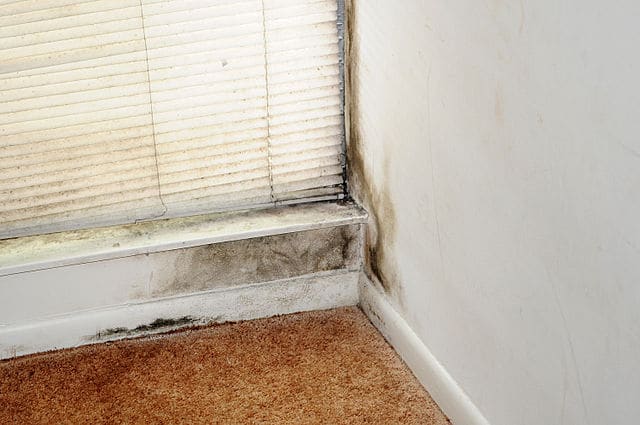
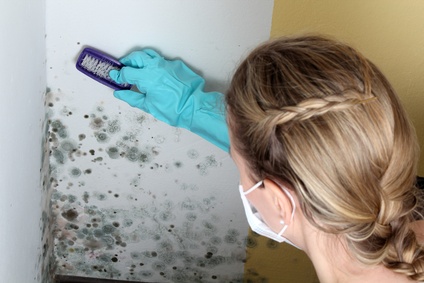
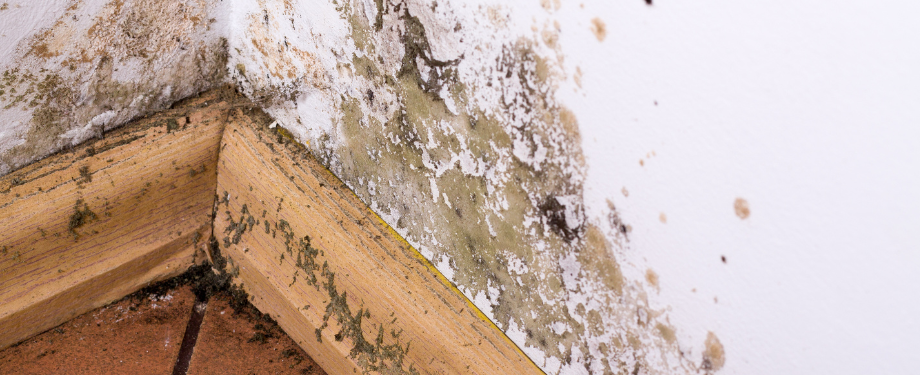
MoldMold is a type of fungus that grows in damp or humid conditi... More growth can cause serious structural damage as well as negative health effects
How MoldMold is a type of fungus that grows in damp or humid conditi... More Growth Develops
When it comes to the decomposition of organic substances, what exactly is it that breaks them down? It’s the tiny moldMold is a type of fungus that grows in damp or humid conditi... More sporesSpores are microscopic reproductive units of fungi or mold t... More in the air, floating dormant but looking for the perfect conditions to settle and harvest additional moldMold is a type of fungus that grows in damp or humid conditi... More sporesSpores are microscopic reproductive units of fungi or mold t... More. The perfect conditions include warm, dark, and moist areas with an organic substance on which to feed.
In your home, spills, humid conditions, and water damaged structural materials provide the perfect environment for moldMold is a type of fungus that grows in damp or humid conditi... More to grow. With temperatures in the high 70s, moist areas, especially basements, attics, and behind walls and floors, are especially susceptible to moldMold is a type of fungus that grows in damp or humid conditi... More growth.
Once the dormant moldMold is a type of fungus that grows in damp or humid conditi... More sporesSpores are microscopic reproductive units of fungi or mold t... More have found their organic food source – and a source of moisture – they accumulate within these areas and form an unsightly large moldMold is a type of fungus that grows in damp or humid conditi... More colony, which can appear in different colors, including black, yellow, orange, green, pink and more.
How MoldMold is a type of fungus that grows in damp or humid conditi... More Spreads
Once a moldMold is a type of fungus that grows in damp or humid conditi... More colony is developed within the affected space, it needs food, oxygenOxygen is a chemical element essential for combustion and li... More, and moisture to grow. So, it will continue to look for additional areas that provide these resourcesResources include tools, personnel, equipment, and materials... More to set up shop again. As the moldMold is a type of fungus that grows in damp or humid conditi... More source consumes the surrounding building materials within your home, it will then release sporesSpores are microscopic reproductive units of fungi or mold t... More into the air to search for additional areas with the right conditions. This is why it’s important to react quickly to prevent moldMold is a type of fungus that grows in damp or humid conditi... More from spreading.
Each of the following conditions below are needed to create the perfect environment for moldMold is a type of fungus that grows in damp or humid conditi... More to grow:
- Food: As moldMold is a type of fungus that grows in damp or humid conditi... More spreads, it feeds on organic (carbon-containing) matter, including drywall, carpeting, insulationInsulation is a material used in buildings to reduce the tra... More, hardwood floors, and other porousPorous describes a material that contains small openings or ... More materials.
- OxygenOxygen is a chemical element essential for combustion and li... More: As molds are obligate aerobes, they need oxygenOxygen is a chemical element essential for combustion and li... More to survive. MoldMold is a type of fungus that grows in damp or humid conditi... More can even grow in environments where oxygenOxygen is a chemical element essential for combustion and li... More levels are low.
- Water: MoldMold is a type of fungus that grows in damp or humid conditi... More is most active in damp, moist conditions. They need water to develop and spread, which is why it’s highly recommended to keep moisture levels low in your home. Everything from high humidityHumidity is the amount of moisture or water vapor present in... More and condensation to floodingFlooding is the overflow or accumulation of water in areas t... More and water leaks provide great opportunities for moldMold is a type of fungus that grows in damp or humid conditi... More to thrive.
- Temperature: Research has shown that moldMold is a type of fungus that grows in damp or humid conditi... More cannot grow below 40 degrees Fahrenheit, which is why food should be kept refrigerated at 39 degrees. The best temperature for moldMold is a type of fungus that grows in damp or humid conditi... More to grow is between 77 and 86 degrees with humid conditions.
How MoldMold is a type of fungus that grows in damp or humid conditi... More Affects the Surfaces on Which is Grows
Because moldMold is a type of fungus that grows in damp or humid conditi... More consumes the materials on which it grows, critical damage will occur to your building materials if they become prey to these fungiFungi are a group of organisms, including mold, mildew, and ... More. Cosmetic damage like staining and unpleasant odors as well as structural damage can all occur due to the presence of moldMold is a type of fungus that grows in damp or humid conditi... More.
As moldMold is a type of fungus that grows in damp or humid conditi... More digests the carbon from its food source, it slowly breaks down the organic materialsOrganic materials are derived from living organisms, such as... More. Eventually, the digestive enzymes will destroy the material as it spreads, looking for additional food sources. When locating moldMold is a type of fungus that grows in damp or humid conditi... More in your home, it’s crucial to identify the source of the growth and remove it so it can’t grow back.
Types of Building Materials Affected by MoldMold is a type of fungus that grows in damp or humid conditi... More
MoldMold is a type of fungus that grows in damp or humid conditi... More can grow on any organic material, digesting the carbon on the surface and spreading to other areas.
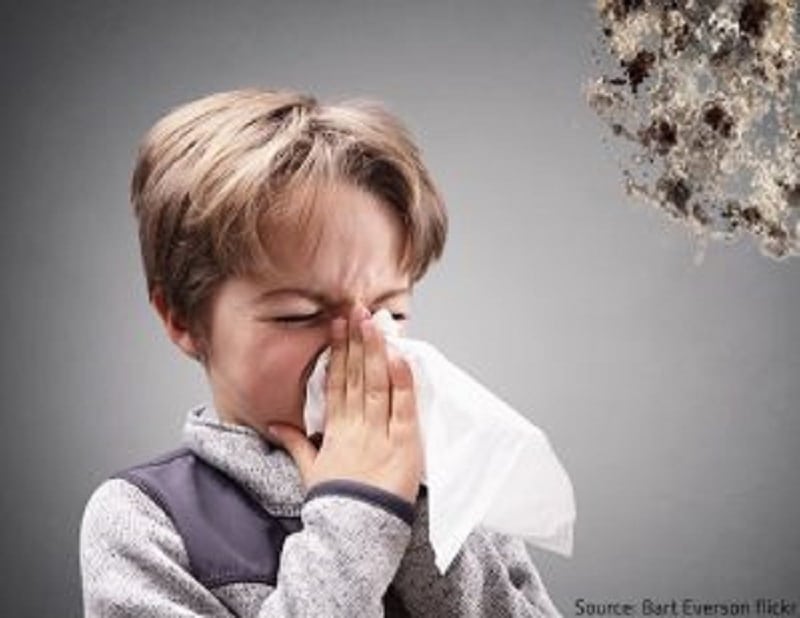
Exposure to moldMold is a type of fungus that grows in damp or humid conditi... More sporesSpores are microscopic reproductive units of fungi or mold t... More can leadLead is a heavy metal that can be toxic to humans, especiall... More to itchy throat
Common organic materialsOrganic materials are derived from living organisms, such as... More on which moldMold is a type of fungus that grows in damp or humid conditi... More can grow in your home include the following:
- Carpeting
- Furniture
- Clothing
- InsulationInsulation is a material used in buildings to reduce the tra... More
- Drywall
- Hardwood flooring
- Roofing materials
- Siding
- Concrete and cement
Other surfaces like metal and glass prove to be more difficult to sustain moldMold is a type of fungus that grows in damp or humid conditi... More growth, however, moldMold is a type of fungus that grows in damp or humid conditi... More can feed on dust and dirt on these materials.
How MoldMold is a type of fungus that grows in damp or humid conditi... More Affects Your Health
As moldMold is a type of fungus that grows in damp or humid conditi... More travels through your home in search of additional breeding grounds, its tiny sporesSpores are microscopic reproductive units of fungi or mold t... More can cause a number of negative health effects. Exposure to moldMold is a type of fungus that grows in damp or humid conditi... More sporesSpores are microscopic reproductive units of fungi or mold t... More can leadLead is a heavy metal that can be toxic to humans, especiall... More to itchy eyes, throat, and skin, headaches, sneezing, coughing, breathing issues, and even respiratory infections if long-term moldMold is a type of fungus that grows in damp or humid conditi... More exposure occurs.
When present around moldMold is a type of fungus that grows in damp or humid conditi... More, it’s important to protect your eyes and mouth from the small moldMold is a type of fungus that grows in damp or humid conditi... More sporesSpores are microscopic reproductive units of fungi or mold t... More. Always wear safety glasses, a breathing mask, and gloves to prevent allergic reactions.
Mold RemediationMold remediation is the process of identifying, removing, an... More
As soon as you find moldMold is a type of fungus that grows in damp or humid conditi... More in your home, it’s important to have it removed right away. First identify the source of the moldMold is a type of fungus that grows in damp or humid conditi... More by looking for any water damage, water leaks or humid conditions that have promoted moldMold is a type of fungus that grows in damp or humid conditi... More growth. Then contact a professional mold removal service to have it removed from your property.
A licensed and experienced professional will first set up a containment chamber to prevent the moldMold is a type of fungus that grows in damp or humid conditi... More from spreading further. They will then use specific mold remediationMold remediation is the process of identifying, removing, an... More products and methods to remove it at the source. After removing all moldMold is a type of fungus that grows in damp or humid conditi... More growth, they will apply anti-microbials to inhibit future moldMold is a type of fungus that grows in damp or humid conditi... More development. Additional steps to lower the moisture levels in the home and repairRepair is the act of fixing or restoring damaged property, m... More a water damaged area of the home will also be taken to ensure the moldMold is a type of fungus that grows in damp or humid conditi... More doesn’t return in the future.
It will then be up to you to keep moisture levels low in your home to prevent future moldMold is a type of fungus that grows in damp or humid conditi... More from returning, especially in the attic, crawlspace, basement or bathroom as these areas are most common for hosting moldMold is a type of fungus that grows in damp or humid conditi... More growth.

About Vince Sandri
Vince Sandri is a content writer and blogger with more than 12 years of experience. His expertise is in creating content related to disaster restorationRestoration is the process of returning a property to its pr... More, including information about preventing and reacting to natural disasters like floodingFlooding is the overflow or accumulation of water in areas t... More, water damage, fire and smoke damage, moldMold is a type of fungus that grows in damp or humid conditi... More growth, storm damage and more.
Vince has been the main contributor to RestorationMasterFinder.com since 2014. Over that time, he has written numerous service pages and blogs for disaster restorationRestoration is the process of returning a property to its pr... More providers featured on RestorationMasterFinder.com. Vince has done extensive research and covered a wide range of topics relating to disaster restorationRestoration is the process of returning a property to its pr... More to help homeowners, business owners, and property managers better protect their property. He understands the problems that disasters like floodingFlooding is the overflow or accumulation of water in areas t... More, fire, smoke, and moldMold is a type of fungus that grows in damp or humid conditi... More can cause as well as the best ways to respond to these issues to limit the damage.
Vince completed his Bachelor of Arts degree at Aurora University and his master’s degree at DePaul University. He has been writing SEO website pages, blogs, and press releases since 2012. Vince is also a musician and can be seen playing in the Chicago, IL area.