



3 Things to Consider Before Installing Fire Sprinkler Systems
Fire sprinkler systems are one of the most important things to have in your home that are often overlooked. Although they might seem like they won’t do much, fire sprinkler systems can save lives in a matter of minutes if a fire breaks out.
According to the NPFA, most structureStructure refers to the framework or components of a buildin... More fires and deaths caused by fires in the United States happened in residential properties, but only 8% of fires took place in homes with fire sprinklers— which shows how much of a difference fire sprinkler systems make.
These days, it’s a necessity to have a fire sprinkler system in commercial spaces and homeowners are starting to install them in their homes.
How Fire Sprinklers Work and the Damage They Can Cause

Summary: Fire sprinklers can save lives and property, but they can also leave a mess behind. Learn how they work, the different types, and what to do if yours ever go off.
Fire sprinklers are one of the most effective life- and property-saving systems in commercial and residential buildings. They’re commonly found in hotels, apartments, warehouses, and office buildings — yet many people don’t know exactly how they work or the damage they can sometimes cause.
In this guide, we’ll cover:
- How fire sprinklers are triggered and function
- The main components of a sprinkler system
- Water supply and deactivation
- Common causes of sprinkler malfunctions
- Types of fire sprinkler systems
- What to do after sprinkler-related water damage
How Do Fire Sprinklers Work?
Fire sprinklers are designed to detect heat, not smoke. This is a common misconception — burnt toast won’t set off your building’s sprinklers. Here’s how they operate step-by-step:
Heat Triggers the Sprinkler Head
When a fire starts, hot air rises to the ceiling. Inside each sprinkler head is a small glass bulb filled with a glycerin-based liquid. Once the surrounding air reaches 135–165°F (57–74°C), the liquid expands, shattering the bulb.
Water is Released and Pressurized
Behind the sprinkler head is a valve connected to a water supply. When the bulb breaks, pressurized water is released and sprayed in an arc to control or extinguish the flames.
Only Activated Heads Discharge
Contrary to what you see in movies, only the sprinklers near the heat source activate. This reduces water usage and limits damage to unaffected areas.
Did you know? Sprinklers use six times less water than a firefighter’s hose, greatly reducing water damage.
Key Components of a Fire Sprinkler System
| Component | Purpose |
|---|---|
| Sprinkler Head | Heat-sensitive trigger that releases water onto the fire. |
| Water Pipes | Deliver water from the main supply to the sprinkler heads. |
| Control Valve | Allows manual shutoff or activation; sometimes linked to fire alarms. |
| Water Supply | Can be municipal water or a dedicated storage tank for reliability. |
Types of Fire Sprinkler Systems
Knowing what type of sprinkler system your building has isn’t just a detail for the maintenanceMaintenance is the routine care, inspection, and repair of a... More log — it’s a big part of making sure it works when you need it most. Each type is designed for specific environments and safety needs:

- Wet Pipe Systems – The most common and straightforward design. These pipes are always filled with water, so when a sprinkler head activates, water flows immediately. Wet pipe systems offer the fastest response time, making them ideal for most commercial buildings where freezing isn’t a concern.
- Dry Pipe Systems – Instead of being filled with water, these pipes hold pressurized air. When a sprinkler head activates, the air is released first, allowing water to enter the pipes. This slight delay is worth it in unheated areas like warehouses or parking garages, where standing water could freeze and damage the system.
- Pre-Action Systems – These are a bit more high-tech and cautious. They require a separate fire detection system to trigger the release of water into the pipes before a sprinkler head can go off. Because of their extra safeguard against accidental discharge, they’re often found in places where water damage would be devastating — think museums, archives, or data centers.
- Deluge Systems – All sprinkler heads remain open, and when the system activates, water flows through all of them at once. This is used in high-hazard areas where a fire could spread quickly, such as aircraft hangars or chemical processing plants.
Risks and Causes of Sprinkler Malfunctions
Fire sprinkler systems are engineered to be extremely reliable, but no system is completely immune to problems. Sometimes, the very system meant to protect your property can cause significant water damage if something goes wrong. Common causes of sprinkler malfunctions include:
- Mechanical Damage or Defective Parts – A damaged sprinkler head or faulty valve can trigger an accidental discharge.
- Excessive Heat Exposure – Heat sources like ovens, industrial equipment, or even strong lighting placed too close can cause a head to activate unintentionally.
- Corrosion – Over time, moisture and oxygenOxygen is a chemical element essential for combustion and li... More can leadLead is a heavy metal that can be toxic to humans, especiall... More to rustRust is a reddish-brown oxide that forms on iron or steel du... More inside pipes or on sprinkler components, which can weaken the system and cause leaks.
- Freezing Temperatures – If water inside the pipes freezes, it can cause cracks or bursts, leading to floodingFlooding is the overflow or accumulation of water in areas t... More when temperatures rise.
- Improper Installation – A poorly installed system may be prone to failures, reduced coverage, or accidental triggers.
- Tampering or Vandalism – Untrained individuals interfering with the system can cause accidental activation or disablement.
Related Read: Three Things to Consider Before Installing a Fire Sprinkler System
Water Supply and Deactivation
A sprinkler system is only as effective as its water source. Most are connected directly to the municipal water supply, ensuring immediate pressure when a head activates. In some buildings — especially in areas with unreliable water service — the system may be fed by a dedicated fire water tank for added reliability.
Deactivation happens in one of two ways:
- Automatically – Once the fire is out and the temperature drops, the system stops discharging.
- Manually – A control valve can shut off water flow, but in most commercial settings, only trained personnel or the fire department should do this.
In an emergency, the fire department typically takes control of shutting off the system after confirming the fire is fully contained.
Fire Sprinklers and Water Damage Restoration
Fire sprinklers do a great job of stopping a fire before it spreads, but the water they release can still leave behind a mess. It’s not unusual to find:
- Floors that are warped or starting to buckle
- MoldMold is a type of fungus that grows in damp or humid conditi... More beginning to grow within just a day or two
- Walls, drywall, and insulationInsulation is a material used in buildings to reduce the tra... More soaked through
- Electrical problems if water reaches outlets or wiring
If your sprinklers go off, timing is everything. Acting quickly can make all the difference — not just in saving your property, but in making the cleanup process faster and less expensive.
Here’s what you should do right away:
- Turn off the water supply if it’s safe to do so.
- Take plenty of photos and notes to document the damage for your insurance company.
- Call a fire and water damage restorationWater damage restoration is the professional process of clea... More pro who can start cleanup and repairs immediately.
- Get the dryingDrying is the process of removing moisture from materials, s... More process started fast to keep moldMold is a type of fungus that grows in damp or humid conditi... More and structural damage from setting in.
Curious about the most common reasons sprinklers accidentally flood buildings? Read our guide on why fire sprinkler systems flood buildings and the risks involved.
Call a Certified Restoration Company
Fire sprinklers are a critical fire safety investment that can save lives and drastically reduce property loss. Knowing how they work, understanding their components, and preparing for potential water damage ensures you’re fully protected.
If your sprinklers have gone off — whether from a real fire or an accident — don’t wait. Contact a certified water and fire damage restoration team to prevent long-term damage and keep your building safe.
FAQs
Can smoke set off a fire sprinkler?
No. Sprinklers respond to heat, not smoke. Smoke alarms detect smoke particles in the air and sound an alert, but they are separate from sprinkler systems. This is why you can burn toast at home without triggering a deluge from the ceiling.
How much water does a fire sprinkler release?
A typical sprinkler head discharges 15–25 gallons of water per minute, enough to suppress flames before they spread. This is significantly less than a firefighter’s hose, which can release 100+ gallons per minute — meaning sprinklers often save property from both fire and excessive water damage.
What’s the difference between wet and dry pipe sprinkler systems?
- Wet Pipe Systems are always filled with water and respond instantly when triggered. They are the most common and reliable type but must be installed in areas where freezing isn’t an issue.
- Dry Pipe Systems are filled with pressurized air or nitrogen, which is released before water flows in. They’re used in unheated or outdoor spaces to prevent frozen pipes. The response is slightly slower but still fast enough to contain fires.
How often should a fire sprinkler system be inspected?
According to NFPA 25 (the national standard for sprinkler maintenance), professional inspections should be conducted annually, with some components checked quarterly or monthly. Regular testing ensures the heads, valves, and water supply are in proper working order — and many insurance providers require proof of these inspections.
How can I prevent accidental fire sprinkler activation?
- Keep heat sources (like lighting, heaters, or kitchen appliances) well away from sprinkler heads.
- Avoid hanging objects from sprinklers or pipes.
- Schedule regular maintenanceMaintenance is the routine care, inspection, and repair of a... More to catch corrosion or mechanical wear early.
- In cold climates, ensure pipes are insulated or heat-traced to prevent freezing.
Does insurance cover water damage from sprinklers?
In most cases, yes. Standard commercial and homeowners insurance policies typically cover water damage caused by sprinkler activation, whether from a fire or an accidental discharge. However, coverage can vary depending on the cause, maintenanceMaintenance is the routine care, inspection, and repair of a... More history, and policy terms, so it’s important to review your policy and speak with your insurer.
What To Consider Before You Install Fire Sprinklers in Your Home
Before you install fire sprinklers, you should do your research and observe which system might be the best for your home. If you are renting out your home or selling it, sprinkler systems can actually add value to your home.
Since there are so many different kinds of sprinkler systems, there are three things you should consider when choosing the perfect sprinkler system.
Effectiveness
The first thing you should pay attention to is the effectiveness of the sprinkler system. The reality is that not all sprinklers are made equal. Some are highly effective in putting out fires and some fail to operate effectively.
The main task of a sprinkler system is to contain a fire and give you and your family enough time to escape safely. In some instances, the sprinkler system might be able to fully put the fire out.
Maintenance
For your sprinkler system to operate properly and effectively, it would need maintenanceMaintenance is the routine care, inspection, and repair of a... More. When choosing a sprinkler system, think of how much maintenanceMaintenance is the routine care, inspection, and repair of a... More it needs and if you are okay with it. Luckily, some manufacturers or installers offer maintenanceMaintenance is the routine care, inspection, and repair of a... More.
You should never skip maintenanceMaintenance is the routine care, inspection, and repair of a... More because not only is it illegal to not maintain your sprinkler system, it can also be extremely dangerous if a fire does break out in your home.
Cost
The installation and purchase of a sprinkler system can cost anywhere from $215 – $968. The cost can be a crucial factor for homeowners since it can be quite expensive. However, you should never compromise your safety.
For new construction projects, you are expected to pay $1-$2 per square foot. Whereas for retrofitting in existing homes or businesses, you are expected to pay a higher price of $2-$7 per square foot. For historic buildings, you can expect to pay up to a whopping $10 per square foot.
What You Need to Know About Commercial Fire Sprinkler Systems
When flames erupt in a commercial space, a fire sprinkler system reduces the likelihood of extensive fire damage. In combination with a smoke alarm, the fire sprinklers offer businesses protection from catastrophic flames.
Property owners may question the usefulness of fire sprinkler systems. Becoming aware of the value of commercial fire sprinkler systems is essential to proper building maintenanceMaintenance is the routine care, inspection, and repair of a... More and employee safety.
Fire sprinklers work when no one else does.
It’s the weekend or after business hours. A fire breaks out in a stash of cardboard boxes in a corner of the warehouse. The fire sprinkler system senses the heat and gushes water onto the flames. The fire is put out even before the firefighters arrive.
Business managers and employees are simply not around the commercial property 24 hours a day to tackle a fire. A fire sprinkler system is alert 24/7.
Fire sprinkler systems are a valuable financial investment.
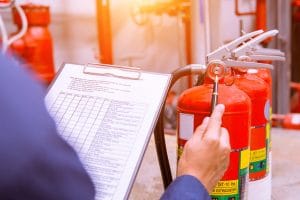
The fire sprinkler system senses the heat and gushes water onto the flames. The fire is put out even before the firefighters arrive.
The cost of installing a fire sprinkler system is equivalent to installing new carpeting. New commercial properties can expect to pay $1 to $2 per square foot, which includes both installation and equipment. Owners of older buildings shell out more to retrofit the property, typically $2 to $7 per square foot. Building managers of high rises pay on average $2 to $4 to retrofit the space. Historic buildings are pricier, costing $10 per square foot to install the sprinkler systems.
While some property managers aim to cut expenses by failing to install a fire sprinkler, the consequences of a devastating fire, including damage to equipment, goods and possible loss of lives, are far costlier.
Installing a fire sprinkler amounts to insurance discounts.
Building owners who install fire sprinkler systems in their commercial property receive steep reductions in their insurance premiums. Depending on the type of building, insurance discounts range from 10 to as much as 60 percent. Experts point out that installing a fire sprinkler system pays for itself when factoring in the insurance premium deductions.
Fire sprinklers almost never accidentally go off.
Sprinkler systems rarely spout water without a heat trigger. Approximately 1 in 16 million sprinklers backfire, and this is due to manufacturing defects. Sprinklers are heat activated. Water jettisons out of the sprinkler heads closest to the heat source—the flames. Not all sprinklers will automatically spurt water because one sprinkler head is activated. Up-to-date sprinkler design and technology prevents unnecessary water damage. Plus, it takes only one to two sprinkler heads to control most fires.
Fire damage is worse than water damage.
Business owners commonly assume that water damage from a sprinkler outweighs fire damage. The reverse is true. Fires cause millions of dollars in structural damage and curtail employee productivity for an extended period.
A fireman’s water hose expels up to 150 gallons of water per minute. In contrast, a sprinkler head releases up to 24 gallons of water per minute. Firefighters direct eight times more water from their hoses into the blazing fire than a sprinkler system. Controlling flames as soon as they break out results in far less damage than letting a fire run its course until help arrives.
Sprinkler systems work best with monthly maintenanceMaintenance is the routine care, inspection, and repair of a... More.
While installing a sprinkler system is prudent, a fire sprinkler system requires regular maintenanceMaintenance is the routine care, inspection, and repair of a... More. Without proper upkeep, a sprinkler cannot function when the urgent need arises. A corrosion monitoringMonitoring is the ongoing observation and measurement of con... More system keeps the pipes in check. Additionally, the draining process should undergo regular inspections. Plus, a building’s low water pressure can affect how the sprinkler works. Monthly sprinkler inspections and tests are important. Quarterly dry testing is also recommended.
Four sprinkler types are available to suit various business needs.
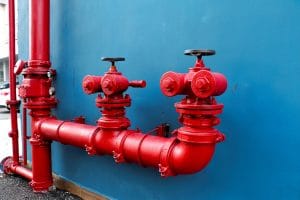
The fire sprinklers offer businesses protection from catastrophic flames.
Commercial properties have four primary sprinkler system options. Pre-action sprinklers are ideal in buildings that house valuables, like art and public records. Water is not stored in the pipes and only travels through the pipes when the fire occurs. Wet pipe sprinklers are ideal for high rise buildings, due to the low maintenanceMaintenance is the routine care, inspection, and repair of a... More requirements. In wet pipe systems, water remains in the pipes to allow rapid response to a fire. Dry pipe systems are perfect for warehouses without temperature control. Water is not stored in the pipes, so the pipes will never freeze and burst. A deluge fire sprinkler system is triggered by smoke and heat detectors and is often used where highly combustible materials are present, like in oil refineries and chemical plants.
Firefighters respond to a fire quickly, but is it quick enough? Responders arrive on the scene within 8 to 12 minutes. Within that short span, a fire has the capacity to overwhelm a commercial property, causing devastating losses in equipment and files. A sprinkler system activated by the heat, however, squashes the flames long before the firetruck screeches to a halt outside your property. Smoke may linger, but the extinguished fire has no chance to spread. Fire sprinklers even save lives.
When any part of your property is engulfed in flames, your commercial sprinkler system will control the fire. Although the sprinklers limit the devastation, your building may suffer from smoke and sootSoot is fine black particles composed of carbon and other ma... More damage. The charring effects of fire should be addressed by a fire damage restorationFire damage restoration is the process of repairing and rest... More company right away to limit the damage.
Skilled technicians will arrive onsite quickly to inspect the resulting sootSoot is fine black particles composed of carbon and other ma... More, smoke and water. Specialists work to clean, decontaminate and restore affected goods, plus walls, ceilings, floors, and structural components. Infestations of moldMold is a type of fungus that grows in damp or humid conditi... More or mildewMildew is a type of fungus that grows on damp surfaces, typi... More are swiftly hindered with antimicrobial applications or environmentally friendly sanitization solutions. Once a thorough sanitization of the space is completed, a final inspectionInspection is the careful examination and assessment of a pr... More is performed to ensure a quality restorationRestoration is the process of returning a property to its pr... More. The professionals also work with your insurance company to help file claims.
RestorationRestoration is the process of returning a property to its pr... More professionals recognize the urgency of fire damage restoration. Representatives will dispatch a skilled team to your property before the damage has the chance to spread.
Wrapping Up
Finding the ideal sprinkler system that fits your preference, needs, and budget can be a challenge. Most of the time, the cost of it is a big factor. However, you should never compromise your safety for a cheaper price.
Think of fire sprinklers as a long-term investment. Repairing your home due to fire damage can cost you a lot more than maintenanceMaintenance is the routine care, inspection, and repair of a... More and installation costs for fire sprinklers.
Contact a Professional
In the case of a fire or other natural disaster, it is best to contact an experienced professional. Our owner Michael Fitzgibbons worked for restorationRestoration is the process of returning a property to its pr... More companies for 25 years and has handled various fires from both commercial and residential building. If you need fire damage restoration or any sort of smoke and sootSoot is fine black particles composed of carbon and other ma... More cleanup, contact DeDona RestorationRestoration is the process of returning a property to its pr... More today.

About Vince Sandri
Vince Sandri is a content writer and blogger with more than 12 years of experience. His expertise is in creating content related to disaster restorationRestoration is the process of returning a property to its pr... More, including information about preventing and reacting to natural disasters like floodingFlooding is the overflow or accumulation of water in areas t... More, water damage, fire and smoke damage, moldMold is a type of fungus that grows in damp or humid conditi... More growth, storm damage and more.
Vince has been the main contributor to RestorationMasterFinder.com since 2014. Over that time, he has written numerous service pages and blogs for disaster restorationRestoration is the process of returning a property to its pr... More providers featured on RestorationMasterFinder.com. Vince has done extensive research and covered a wide range of topics relating to disaster restorationRestoration is the process of returning a property to its pr... More to help homeowners, business owners, and property managers better protect their property. He understands the problems that disasters like floodingFlooding is the overflow or accumulation of water in areas t... More, fire, smoke, and moldMold is a type of fungus that grows in damp or humid conditi... More can cause as well as the best ways to respond to these issues to limit the damage.
Vince completed his Bachelor of Arts degree at Aurora University and his master’s degree at DePaul University. He has been writing SEO website pages, blogs, and press releases since 2012. Vince is also a musician and can be seen playing in the Chicago, IL area.