



“What’s That Smell?” And Other Signs You May Have Mold in Your Home
MoldMold is a type of fungus that grows in damp or humid conditi... More growth in your home can be a very dangerous and costly issue. MoldMold is a type of fungus that grows in damp or humid conditi... More is a type of fungiFungi are a group of organisms, including mold, mildew, and ... More that grows indoors and outdoors and thrives in damp and humid environments. Most of the time moldMold is a type of fungus that grows in damp or humid conditi... More can be found in bathrooms, drywall, basements, ceilings, carpeting etc. It can also cause significant property damage and exposure to moldMold is a type of fungus that grows in damp or humid conditi... More leads to a number of health issues.
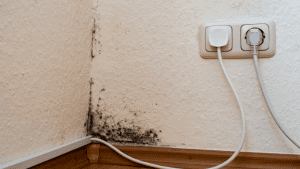
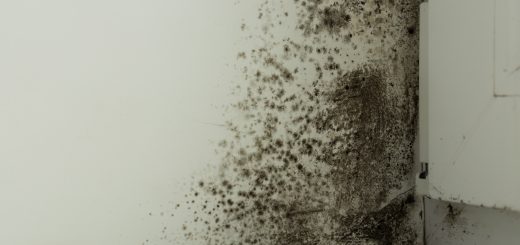
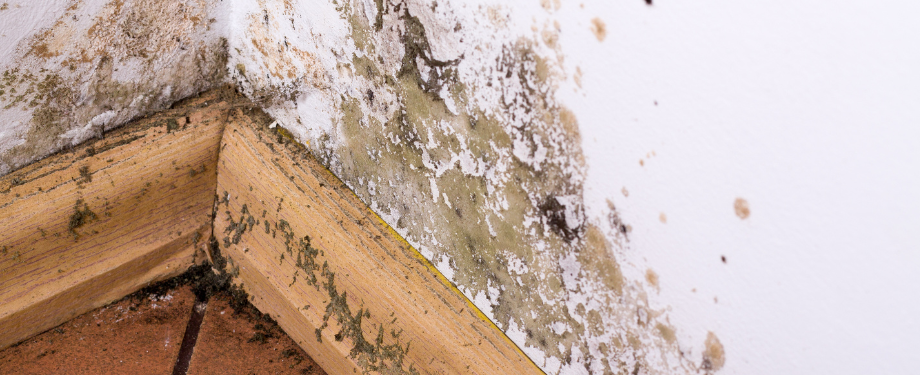
MoldMold is a type of fungus that grows in damp or humid conditi... More Growth on Baseboard
Why Does Mold Form in Homes?
Homes are easy places for moldMold is a type of fungus that grows in damp or humid conditi... More to grow. There are many spots in a home that are dark and moist, which is the ideal environment for moldMold is a type of fungus that grows in damp or humid conditi... More. Due to use of furnaces and water heaters, the temperature in these areas is always similar. MoldMold is a type of fungus that grows in damp or humid conditi... More sporesSpores are microscopic reproductive units of fungi or mold t... More are always in the air, but once they find a place that works well for them, they start reproducing which causes a moldMold is a type of fungus that grows in damp or humid conditi... More problem that becomes visible.
Different Types of House Mold
There are many types of molds that are commonly found in homes. Here are a few:
- Cladosporium – Very common type of moldMold is a type of fungus that grows in damp or humid conditi... More that is greenish-brown or black. Not very harmful unless you have an allergy.
- Penicillium – Also called “green moldMold is a type of fungus that grows in damp or humid conditi... More,” grows in consistent patches on walls. Some types of this moldMold is a type of fungus that grows in damp or humid conditi... More can be toxic to humans.
- Aspergillus – It is a greenish-white color, with a raised cloudy appearance. It is not harmful unless you have a week immune system.
- Alternaria – A greenish white color but can appear in black patches as well. Can be harmful to those with asthma and moldMold is a type of fungus that grows in damp or humid conditi... More allergies.
- StachybotrysStachybotrys is a type of black mold (often called “black ... More chartarum/Stachybotrys atra (Black MoldMold is a type of fungus that grows in damp or humid conditi... More) – This is the most dangerous type of moldMold is a type of fungus that grows in damp or humid conditi... More. Usually black in color and present in water damaged homes. It produces mycotoxinsMycotoxins are toxic substances produced by certain types of... More which are harmful and compromise indoor air qualityIndoor air quality (IAQ) refers to the condition of the air ... More. It also causes stachybotryotoxicosis, which is an infectionInfection is the invasion and multiplication of harmful micr... More caused by spore inhalation.
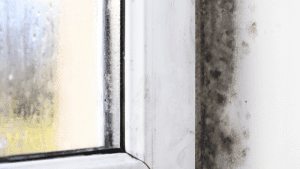
How to Prevent Mold in Your Home
There are some ways that you can prevent moldMold is a type of fungus that grows in damp or humid conditi... More in your home. Here are a few:
-
Keep your home clean:
Make sure all surfaces are clean, especially those that can be damp such as in bathrooms, kitchens, attics etc.
-
Take care of dampness:
If you have damp areas in your home due to rain or frequent floodingFlooding is the overflow or accumulation of water in areas t... More, make sure that you regularly ventilate the home and get rid of any moisture that accumulates.
-
Strive to keep the air dry:
To reduce moisture in the air, use air conditioners and dehumidifiers. Ideally your air should be 40-50% relative humidityRelative humidity (RH) is the percentage of moisture in the ... More to avoid moldMold is a type of fungus that grows in damp or humid conditi... More growth.
-
Damp areas should be dried out:
Use space heaters or even a hair dryer to dry out any damp areas where moldMold is a type of fungus that grows in damp or humid conditi... More can grow. Always get rid of the source of dampness, not just the dampness itself.
-
Circulate the air:
You should always ventilate any areas that are prone to moldMold is a type of fungus that grows in damp or humid conditi... More growth. This includes bathrooms, basements, kitchens, laundry rooms etc. Your home should be properly insulated and ventilated so that the air can circulate well.
Signs You Have Mold in Your Home
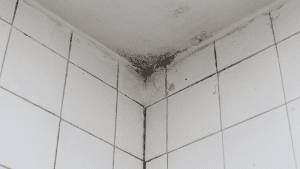
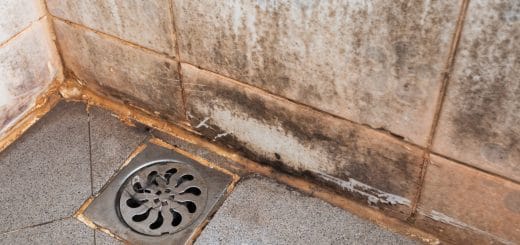
MoldMold is a type of fungus that grows in damp or humid conditi... More in Shower
There are some signs you need to look out for in your home that will help you identify if you have moldMold is a type of fungus that grows in damp or humid conditi... More growth. This will allow you to react quickly and contact professionals to remediate it which will limit the damage. You should never try to clean moldMold is a type of fungus that grows in damp or humid conditi... More yourself as you may spread it further or put your health at risk. Here are some signs of moldMold is a type of fungus that grows in damp or humid conditi... More to look out for:
- A bothersome cold with allergy like symptoms that won’t go away
- Consistent bloody nose
- Feeling constant fatigue or tiredness and itchiness of the skin
- A musty odorAn odor is a smell, often detectable by the human nose, whic... More in the home
- Dark spots or warpingWarping is the bending, twisting, or distortion of materials... More on the walls
- Tarnished tiles in the bathroom
- A bad smell coming from your air conditioner
- FloodingFlooding is the overflow or accumulation of water in areas t... More or water leaks
- Living in a brand-new home
- Condensation on the floor around the water heater area
What to Do if You Have Mold in Your Home
If you suspect that you have moldMold is a type of fungus that grows in damp or humid conditi... More in your home, you should reach out to professionals right away so that they can remediate it. This will ensure that the moldMold is a type of fungus that grows in damp or humid conditi... More does not spread further and cause additional damage or possibly become a hazard to your health and the health of your loved ones. You should always look for a company that is experienced, licensed, and specialized in removing moldMold is a type of fungus that grows in damp or humid conditi... More. A reputable professional will remove the moldMold is a type of fungus that grows in damp or humid conditi... More and guarantee that it will not come back.
You can expect a mold remediationMold remediation is the process of identifying, removing, an... More professional to follow the below steps when working on removing moldMold is a type of fungus that grows in damp or humid conditi... More from your home or business:
- Inspect the home for any signs of moldMold is a type of fungus that grows in damp or humid conditi... More, identify the type of moldMold is a type of fungus that grows in damp or humid conditi... More you have present, and let you know how hazardous it is
- Dry out any moist areas and dehumidify them
- Remove all materials that cannot be restored
- Remove any lingering musty odors that may be left behind after the moldMold is a type of fungus that grows in damp or humid conditi... More is removed
- Clean and restore your items, restorationRestoration is the process of returning a property to its pr... More may be done on-site or at a separate facility
- RepairRepair is the act of fixing or restoring damaged property, m... More the structureStructure refers to the framework or components of a buildin... More of the home or business if needed
If you are ready to have your moldMold is a type of fungus that grows in damp or humid conditi... More issue handled by professionals, call a mold remediation specialist right away. These professionals will find and remove all moldMold is a type of fungus that grows in damp or humid conditi... More from your property and restore the damage it caused. They can also address any moisture issues within your home that may have caused the moldMold is a type of fungus that grows in damp or humid conditi... More growth to prevent it from coming back.

About Vince Sandri
Vince Sandri is a content writer and blogger with more than 12 years of experience. His expertise is in creating content related to disaster restorationRestoration is the process of returning a property to its pr... More, including information about preventing and reacting to natural disasters like floodingFlooding is the overflow or accumulation of water in areas t... More, water damage, fire and smoke damage, moldMold is a type of fungus that grows in damp or humid conditi... More growth, storm damage and more.
Vince has been the main contributor to RestorationMasterFinder.com since 2014. Over that time, he has written numerous service pages and blogs for disaster restorationRestoration is the process of returning a property to its pr... More providers featured on RestorationMasterFinder.com. Vince has done extensive research and covered a wide range of topics relating to disaster restorationRestoration is the process of returning a property to its pr... More to help homeowners, business owners, and property managers better protect their property. He understands the problems that disasters like floodingFlooding is the overflow or accumulation of water in areas t... More, fire, smoke, and moldMold is a type of fungus that grows in damp or humid conditi... More can cause as well as the best ways to respond to these issues to limit the damage.
Vince completed his Bachelor of Arts degree at Aurora University and his master’s degree at DePaul University. He has been writing SEO website pages, blogs, and press releases since 2012. Vince is also a musician and can be seen playing in the Chicago, IL area.