



How to Tell the Difference Between Mold Stains and Water Stains
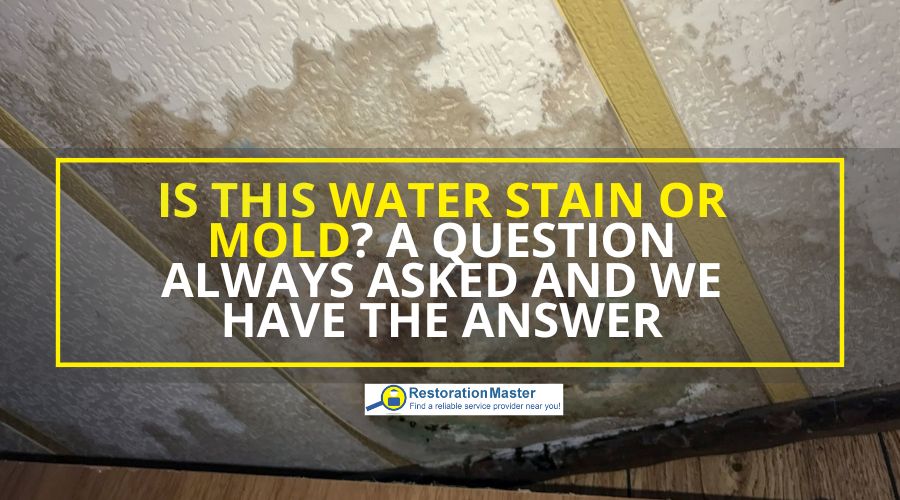
If you’ve noticed stains or discoloration on your walls, ceilings, or other surfaces in your home, it’s important to determine whether you’re dealing with simple water stains or moldMold is a type of fungus that grows in damp or humid conditi... More growth. While both can look similar at first glance, they have very different causes and consequences. Water stains are usually the result of leaks, plumbing issues, or roof damage, and while they can be unsightly, they don’t spread on their own. MoldMold is a type of fungus that grows in damp or humid conditi... More, on the other hand, thrives in damp environments created by water damage. Because moldMold is a type of fungus that grows in damp or humid conditi... More sporesSpores are microscopic reproductive units of fungi or mold t... More are airborne, they can travel throughout your home, settle on surfaces, and continue to grow if moisture is present.
In this article, we’ll break down the key differences between water damage stains and moldMold is a type of fungus that grows in damp or humid conditi... More, as well as what each means for your home, health, and repairRepair is the act of fixing or restoring damaged property, m... More costs. Knowing how to spot the difference can help you take the right steps before the problem worsens.
Podcast

What is the Difference Between Water Stains and Mold?
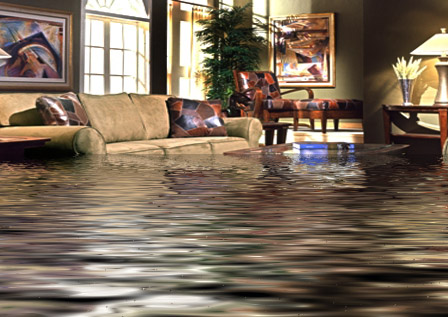
Water damage occurs when excess moisture enters your home, often from floodingFlooding is the overflow or accumulation of water in areas t... More, burst pipes, or leaks. MoldMold is a type of fungus that grows in damp or humid conditi... More, on the other hand, develops as a result of untreated water damage. While both can cause discoloration, they typically appear differently:
- Water stains usually create marks that look uniform and consistent.
- MoldMold is a type of fungus that grows in damp or humid conditi... More growth shows up as irregular, patchy spots and may carry a musty odorAn odor is a smell, often detectable by the human nose, whic... More.
That said, it can sometimes be difficult to distinguish between the two by appearance alone. That’s why understanding visual, smell, and even health-related signs can make a difference.
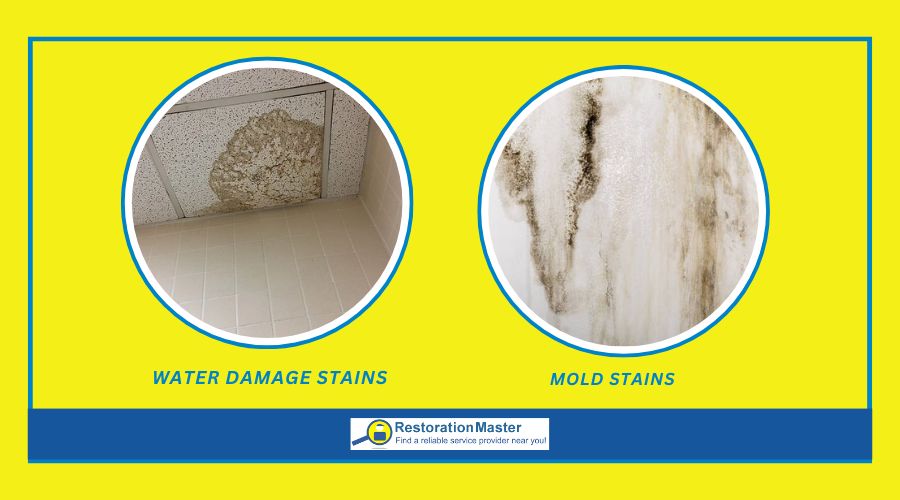
Physical Appearance
When you notice water stains in your home or business, there’s a chance moldMold is a type of fungus that grows in damp or humid conditi... More growth may also be present, since moldMold is a type of fungus that grows in damp or humid conditi... More thrives wherever excess moisture lingers. MoldMold is a type of fungus that grows in damp or humid conditi... More often develops directly on water-damaged surfaces, making it important to understand the visual differences between the two.
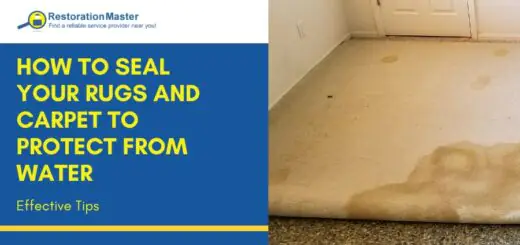
- Water Damage: Staining from water damage typically appears in shades of brown, orange, or yellow. The marks may resemble water droplets or pooled water. Over time, water damage can cause paint or wallpaper to bubble, flake, or peel, and in more severe cases, it may leadLead is a heavy metal that can be toxic to humans, especiall... More to warped wood or curled vinylVinyl is a durable synthetic plastic material commonly used ... More flooring.
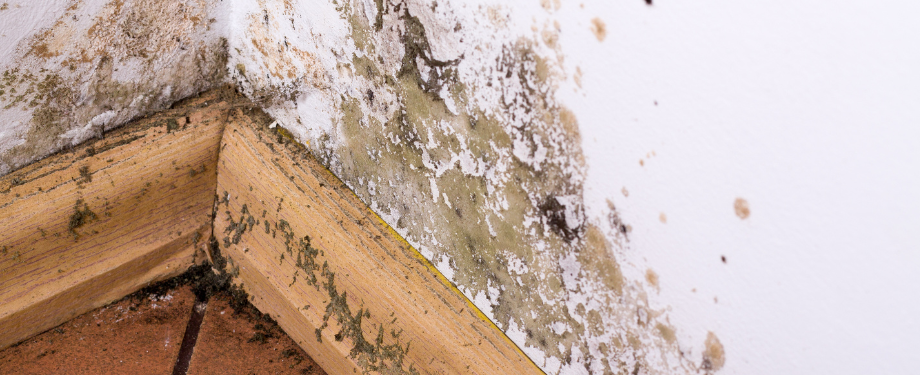
- MoldMold is a type of fungus that grows in damp or humid conditi... More Growth: MoldMold is a type of fungus that grows in damp or humid conditi... More often shows up as darker discoloration, appearing black, gray, green, or even blue. Unlike water stains, moldMold is a type of fungus that grows in damp or humid conditi... More has texture — it can look fuzzy, powdery, slimy, or damp, and it tends to smudge when touched.
If you’re unsure, take a photo and compare it with verified examples of moldMold is a type of fungus that grows in damp or humid conditi... More and water stains online or consult a restoration professional.
Smell
Water damage can sometimes produce an odorAn odor is a smell, often detectable by the human nose, whic... More, particularly if the affected area has not been fully dried. MoldMold is a type of fungus that grows in damp or humid conditi... More growth, however, gives off a much more distinct smell that is often described as musty, earthy, or rotten. If you notice this type of odorAn odor is a smell, often detectable by the human nose, whic... More indoors, it may indicate that moldMold is a type of fungus that grows in damp or humid conditi... More sporesSpores are microscopic reproductive units of fungi or mold t... More are already airborne and circulating through your home.
Health Concerns
- Water stains alone don’t typically cause health issues, but they indicate excess moisture that could leadLead is a heavy metal that can be toxic to humans, especiall... More to bigger problems.
- MoldMold is a type of fungus that grows in damp or humid conditi... More exposure can cause allergic reactions, asthma flare-ups, coughing, eye irritation, and long-term respiratory problems, especially in children, the elderly, and those with weakened immune systems.
When to Consider Mold Testing
Sometimes, it’s not immediately obvious whether a stain is just water damage or moldMold is a type of fungus that grows in damp or humid conditi... More. In these situations, professional moldMold is a type of fungus that grows in damp or humid conditi... More testing can provide clarity. MoldMold is a type of fungus that grows in damp or humid conditi... More testing involves taking samples from surfaces or the air to determine if moldMold is a type of fungus that grows in damp or humid conditi... More sporesSpores are microscopic reproductive units of fungi or mold t... More are present and at what levels. This is especially helpful when:
- Stains appear ambiguous or irregular.
- There is a musty odorAn odor is a smell, often detectable by the human nose, whic... More but no visible moldMold is a type of fungus that grows in damp or humid conditi... More.
- You want to confirm if moldMold is a type of fungus that grows in damp or humid conditi... More is present before starting remediation.
Once testing is complete, the results help guide the next steps—whether that’s targeted cleaning, remediation, or further inspectionInspection is the careful examination and assessment of a pr... More. For a detailed explanation of how long moldMold is a type of fungus that grows in damp or humid conditi... More testing takes and what the process involves, check out our blog on How Long Does Mold Testing Take?
Dangers of Water Leaks and Mold
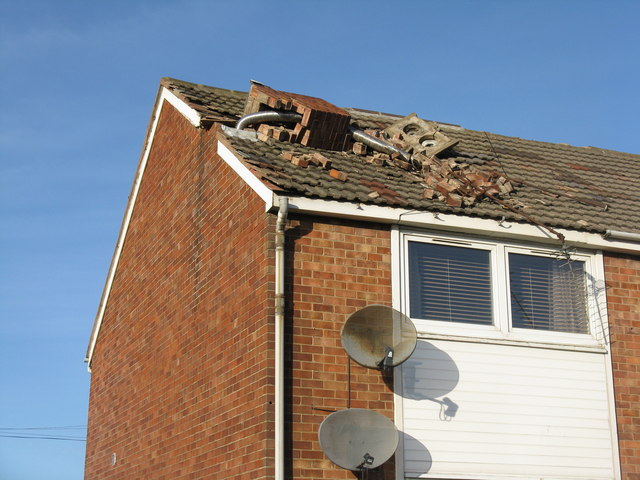
When your property experiences a water leak or floodingFlooding is the overflow or accumulation of water in areas t... More, the structural integrity of the building can quickly become compromised. Prolonged exposure to moisture may cause walls to warp, ceilings to sag or collapse from roof leaks, and other serious damage in affected areas.
MoldMold is a type of fungus that grows in damp or humid conditi... More growth often follows water damage, as airborne sporesSpores are microscopic reproductive units of fungi or mold t... More settle on damp surfaces and begin to spread. MoldMold is a type of fungus that grows in damp or humid conditi... More commonly develops in moisture-prone areas such as basements, crawl spaces, bathrooms, and laundry rooms, appearing on walls, carpets, furniture, and other materials. Poor ventilationVentilation is the process of exchanging or circulating air ... More and unnoticed moisture buildup accelerate the problem, allowing moldMold is a type of fungus that grows in damp or humid conditi... More to thrive.
Because moldMold is a type of fungus that grows in damp or humid conditi... More feeds on organic materialsOrganic materials are derived from living organisms, such as... More like wood, drywall, and insulationInsulation is a material used in buildings to reduce the tra... More, it not only weakens your home’s structureStructure refers to the framework or components of a buildin... More over time but also poses health risks to those living inside. If left untreated, moldMold is a type of fungus that grows in damp or humid conditi... More will continue to spread, causing extensive damage and possible health issues. Addressing water damage and moldMold is a type of fungus that grows in damp or humid conditi... More growth promptly is the best way to protect both your property and your health.
Read More: How to Prevent Mold After Water Damage
Cost Breakdown: Water Damage vs. Mold Remediation
| Type of Damage | Typical Cost Range | Factors Affecting Cost | Notes |
|---|---|---|---|
| Water Damage RepairRepair is the act of fixing or restoring damaged property, m... More | $450 – $15,000 (average $1,300 – $5,900) | – Type of water (clean, gray, black) – Source of damage (leak vs. floodingFlooding is the overflow or accumulation of water in areas t... More) – Extent of affected area – Materials impacted (drywall, hardwood, roof, etc.) – Location |
Minor damage may only require dryingDrying is the process of removing moisture from materials, s... More and repairs; severe damage may involve material replacement. |
| Mold RemediationMold remediation is the process of identifying, removing, an... More | $1,500 – $10,000 (average $1,500 – $5,000) | – MoldMold is a type of fungus that grows in damp or humid conditi... More location – Size of affected area – Type of moldMold is a type of fungus that grows in damp or humid conditi... More – Accessibility – Location |
PorousPorous describes a material that contains small openings or ... More materials (drywall, carpet, insulationInsulation is a material used in buildings to reduce the tra... More) often need removal; post-remediation testing adds $300–$1,000. |
Prevention Tips: How to Stop Mold After Water Damage
MoldMold is a type of fungus that grows in damp or humid conditi... More can start growing quickly after water damage, sometimes within 24–48 hours. Taking fast and effective action can save you time, money, and potential health issues. Here’s how to prevent moldMold is a type of fungus that grows in damp or humid conditi... More growth in your home:
- Dry affected areas quickly: Use towels, mops, and absorbent materials to remove standing water as soon as possible. The faster you dry surfaces, the less chance moldMold is a type of fungus that grows in damp or humid conditi... More has to take hold. Ideally, aim to dry the area within 24–48 hours.
- Use fans and dehumidifiers: Circulating air with fans and running dehumidifiers can significantly reduce indoor humidityHumidity is the amount of moisture or water vapor present in... More. Lower humidityHumidity is the amount of moisture or water vapor present in... More levels make it harder for moldMold is a type of fungus that grows in damp or humid conditi... More sporesSpores are microscopic reproductive units of fungi or mold t... More to thrive.
- Improve ventilationVentilation is the process of exchanging or circulating air ... More in moisture-prone areas: Kitchens, bathrooms, and laundry rooms are common spots for excess moisture. Make sure exhaust fans are running, windows are open when possible, and air is circulating to prevent damp conditions.
- Regularly inspect for leaks: Check your roof, plumbing, and basement for leaks or water intrusion. Early detection of leaks can prevent water from seeping into walls or floors, stopping moldMold is a type of fungus that grows in damp or humid conditi... More before it starts.
Professional Water Damage Restoration and Mold Remediation in Charlotte, NC
Understanding the difference between water damage and moldMold is a type of fungus that grows in damp or humid conditi... More is crucial for protecting both your home and your health. While water stains may be unsightly, moldMold is a type of fungus that grows in damp or humid conditi... More growth poses a far greater risk, spreading quickly and potentially causing structural damage as well as health issues. By learning how to identify the signs, whether it’s discoloration, texture, odorAn odor is a smell, often detectable by the human nose, whic... More, or the location of the damage, you can take timely action to address the problem. Prompt repairs, proper dryingDrying is the process of removing moisture from materials, s... More, and professional remediation when necessary can help prevent small issues from turning into costly repairs.
If you notice water stains, musty odors, or signs of moldMold is a type of fungus that grows in damp or humid conditi... More growth in your home or business, it is important to act quickly. Water damage and moldMold is a type of fungus that grows in damp or humid conditi... More can spread fast, causing structural issues and health risks if left untreated. The best way to protect your property and your family is to contact a professional water damage mitigation and mold remediation service in Charlotte, NC. Experienced experts can accurately assess the situation, safely remove moldMold is a type of fungus that grows in damp or humid conditi... More, repairRepair is the act of fixing or restoring damaged property, m... More damage, and help prevent future problems, keeping your home or business safe and healthy. Contact a trusted restorationRestoration is the process of returning a property to its pr... More professional today.
Frequently Asked Questions
Can mold spread throughout my home?
Yes. MoldMold is a type of fungus that grows in damp or humid conditi... More sporesSpores are microscopic reproductive units of fungi or mold t... More are airborne and can travel to damp areas, settling on surfaces where it can grow. Controlling humidityHumidity is the amount of moisture or water vapor present in... More and addressing leaks quickly stops it from spreading.
Is black mold more dangerous than other types of mold?
Some black molds, like StachybotrysStachybotrys is a type of black mold (often called “black ... More chartarum, can produce mycotoxinsMycotoxins are toxic substances produced by certain types of... More, which may cause more severe health issues. Not all black moldMold is a type of fungus that grows in damp or humid conditi... More is toxic, but any moldMold is a type of fungus that grows in damp or humid conditi... More should be addressed promptly to protect health.
Can water stains return after repair?
Yes. Water stains can return if the source of moisture is not fixed, such as a leak in the roof, plumbing, or foundation. It is important to repairRepair is the act of fixing or restoring damaged property, m... More the cause, not just the visible stain
What is the difference between surface mold and hidden mold?
Surface moldMold is a type of fungus that grows in damp or humid conditi... More is visible on walls, floors, or ceilings, while hidden moldMold is a type of fungus that grows in damp or humid conditi... More grows inside walls, under carpets, or in insulationInsulation is a material used in buildings to reduce the tra... More. Hidden moldMold is a type of fungus that grows in damp or humid conditi... More often requires testing or professional inspectionA professional inspection is an evaluation conducted by a tr... More to detect it.
Are all water stains a sign of serious damage?
Not always. Some stains may be minor, caused by small leaks or condensation. However, it is important to investigate because even small water stains can leadLead is a heavy metal that can be toxic to humans, especiall... More to moldMold is a type of fungus that grows in damp or humid conditi... More if left untreated.

About Vince Sandri
Vince Sandri is a content writer and blogger with more than 12 years of experience. His expertise is in creating content related to disaster restorationRestoration is the process of returning a property to its pr... More, including information about preventing and reacting to natural disasters like floodingFlooding is the overflow or accumulation of water in areas t... More, water damage, fire and smoke damage, moldMold is a type of fungus that grows in damp or humid conditi... More growth, storm damage and more.
Vince has been the main contributor to RestorationMasterFinder.com since 2014. Over that time, he has written numerous service pages and blogs for disaster restorationRestoration is the process of returning a property to its pr... More providers featured on RestorationMasterFinder.com. Vince has done extensive research and covered a wide range of topics relating to disaster restorationRestoration is the process of returning a property to its pr... More to help homeowners, business owners, and property managers better protect their property. He understands the problems that disasters like floodingFlooding is the overflow or accumulation of water in areas t... More, fire, smoke, and moldMold is a type of fungus that grows in damp or humid conditi... More can cause as well as the best ways to respond to these issues to limit the damage.
Vince completed his Bachelor of Arts degree at Aurora University and his master’s degree at DePaul University. He has been writing SEO website pages, blogs, and press releases since 2012. Vince is also a musician and can be seen playing in the Chicago, IL area.