




Should I Use Mold Resistant Drywall?
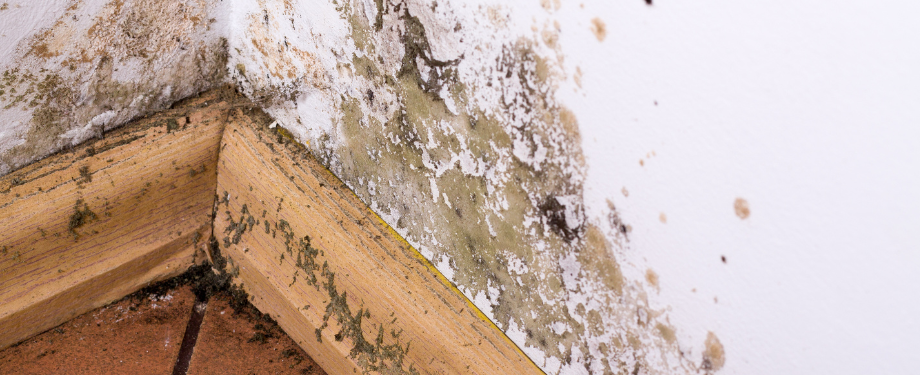
MoldMold is a type of fungus that grows in damp or humid conditi... More can cause a major issue at your home or business. With the damage, it can cause to your property and the threat it poses to your health, it is important to avoid it at all costs. One thing you can do to help prevent moldMold is a type of fungus that grows in damp or humid conditi... More growth is to use mold-resistant drywall.
It is important to know how moldMold is a type of fungus that grows in damp or humid conditi... More grows and how it can affect the structureStructure refers to the framework or components of a buildin... More of your home. MoldMold is a type of fungus that grows in damp or humid conditi... More develops in areas where there is a lot of moisture. It can easily affect standard paper-faced drywall, especially when it stays wet for a while. There are different types of moldMold is a type of fungus that grows in damp or humid conditi... More that can develop on your property, however, installing mold-resistant drywall in specific areas can help you avoid it altogether.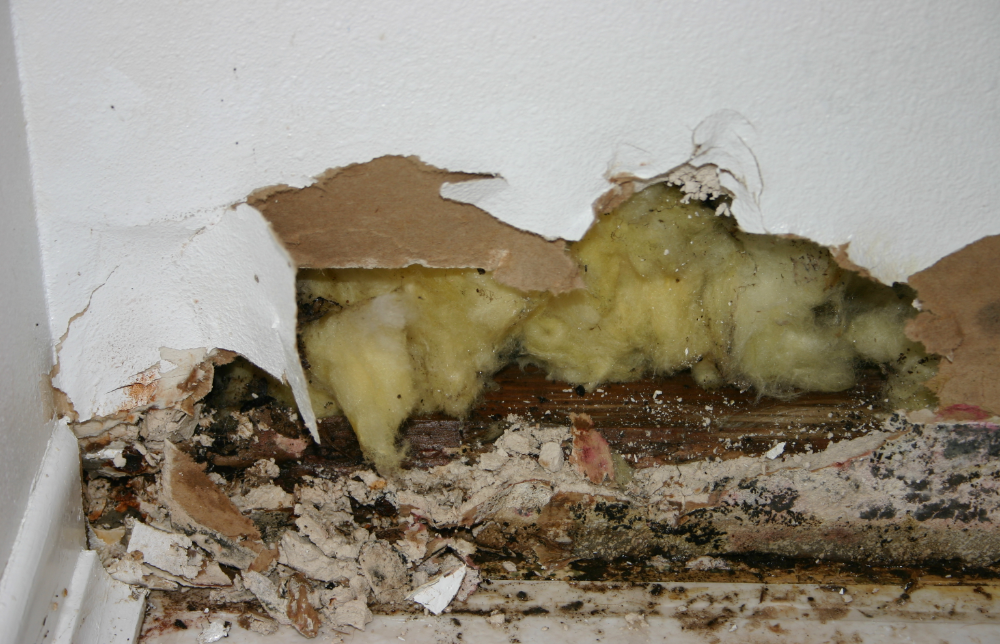
Mold-Resistant Drywall
This type of drywall works because it contains fewer materials that attract moldMold is a type of fungus that grows in damp or humid conditi... More. Mold-resistant drywall does not use paper facing. There are two forms of mold-resistant drywall available, drywall with gypsum core and fiberglass facing and homogenous drywall with gypsum material throughout.
- Fiberglass-facing drywall is moldMold is a type of fungus that grows in damp or humid conditi... More resistant as it is made of fiberglass that holds less moisture than traditional drywall.
- Homogenous drywall is fully made of gypsum material, and it has no layers. Since there is no exterior face on the drywall, there is no paper or other material that can stay wet.
Aside from mold-resistant drywall, there are also fire-resistant, impact-resistant, and sound-resistant variations of drywall that help the structureStructure refers to the framework or components of a buildin... More of your property with various capabilities for different areas.
In what areas of your home should you use mold-resistant drywall?
The best area to use mold-resistant drywall is in bathrooms and laundry rooms because these areas are the most affected by excess moisture. In these areas, the walls and ceilings can stay moist due to the humidityHumidity is the amount of moisture or water vapor present in... More, and therefore mold-resistant drywall helps keep moldMold is a type of fungus that grows in damp or humid conditi... More away.
You should be aware that mold-resistant drywall is more costly than standard drywall, however, it does save your property from moldMold is a type of fungus that grows in damp or humid conditi... More damage, which can be extremely costly to fix. Although it is not a guarantee that you will completely prevent moldMold is a type of fungus that grows in damp or humid conditi... More at your property if you use mold-resistant drywall, it does decrease the chance of this happening.
There is a more economical option of mold-resistant drywall that is not as commonly used or effective as other types of mold-resistant drywall, but it can be used in bathrooms or other high-humidity areas of your home. After you’ve used it, you would need to coat it with heavy-duty paint. Keep in mind that moisture-resistant drywall or green board are effective replacements for cement boards.
Pros and Cons of Mold-Resistant Drywall
Pro’s
- It is resistant to moisture and moldMold is a type of fungus that grows in damp or humid conditi... More
- It is easy to install
- It is easy to repairRepair is the act of fixing or restoring damaged property, m... More
Cons
- It is more expensive than traditional drywall
- It is not guaranteed that it will prevent moldMold is a type of fungus that grows in damp or humid conditi... More on your property
Cost of Mold-Resistant Drywall
Since mold-resistant drywall has resistance to moisture, it is 50 percent more expensive than standard drywall. For example sheets of ½ inch, and a 4 x 8-foot standard drywall is sold for about $9 at big box home improvement centers, while mold-resistant drywall is about $12 per sheet.
Other Things to Know about Mold-Resistant Drywall
- This type of drywall is easy to care for. It is important to keep it clean and paint it periodically so that it is protected from moisture. Just like standard drywall, it is brittle and can be cracked or damaged, however, it is also easy to repairRepair is the act of fixing or restoring damaged property, m... More as the area can be taped and refinished or a new drywall patch can be installed.
- It is commonly used in basic homes and luxury construction. It accepts paint, wallpaper, or textured skim-coat plasterPlaster is a building material made of lime, gypsum, or ceme... More. It is however not a replacement for cement board as a backing material used for placing ceramic tiles.
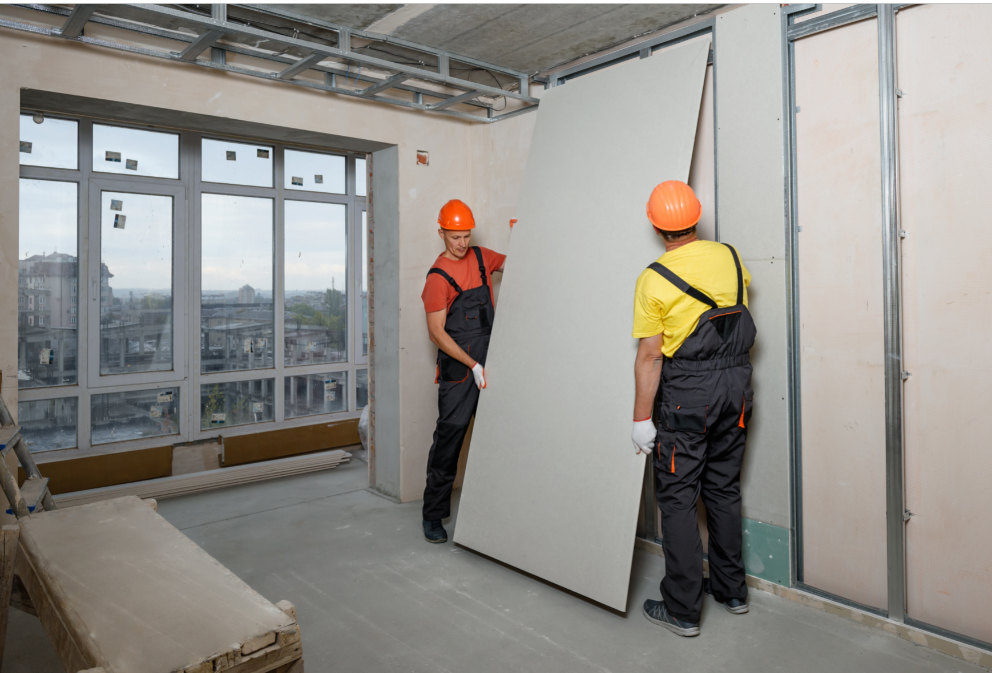
- The installation of mold-resistant drywall is like installing standard drywall. The panels of drywall will need to be nailed or screwed to the framing and then the joints between the panels will be covered with drywall tape and finished with a few coats of taping compound which will need to be sanded between coats. Also, baseboards and other trimTrim is the decorative or functional molding used to finish ... More are nailed in place after drywall is installed. Once all of these steps are completed, it can be painted. Since this type of drywall is generally used in humid areas of your home, it is best to use primer and paint that have good moldMold is a type of fungus that grows in damp or humid conditi... More resistance properties.
Removing Mold from Drywall
Have you experienced moldMold is a type of fungus that grows in damp or humid conditi... More at your home or business? It is important to call experts in mold removal and mold remediation. Highly trained professionals will locate the issue that caused the moldMold is a type of fungus that grows in damp or humid conditi... More and promptly remove it so it does not spread further.
If you are dealing with drywall damage at your home or business due to a flood or other type of water issue, a professional drywall contractor can help. They will get the job done quickly. Even if you have mold-resistant drywall, you can still experience moldMold is a type of fungus that grows in damp or humid conditi... More issues in some cases. This is why it is important to react quickly and get it repaired.
Call us today for any drywall repairs needed.

About Vince Sandri
Vince Sandri is a content writer and blogger with more than 12 years of experience. His expertise is in creating content related to disaster restorationRestoration is the process of returning a property to its pr... More, including information about preventing and reacting to natural disasters like floodingFlooding is the overflow or accumulation of water in areas t... More, water damage, fire and smoke damage, moldMold is a type of fungus that grows in damp or humid conditi... More growth, storm damage and more.
Vince has been the main contributor to RestorationMasterFinder.com since 2014. Over that time, he has written numerous service pages and blogs for disaster restorationRestoration is the process of returning a property to its pr... More providers featured on RestorationMasterFinder.com. Vince has done extensive research and covered a wide range of topics relating to disaster restorationRestoration is the process of returning a property to its pr... More to help homeowners, business owners, and property managers better protect their property. He understands the problems that disasters like floodingFlooding is the overflow or accumulation of water in areas t... More, fire, smoke, and moldMold is a type of fungus that grows in damp or humid conditi... More can cause as well as the best ways to respond to these issues to limit the damage.
Vince completed his Bachelor of Arts degree at Aurora University and his master’s degree at DePaul University. He has been writing SEO website pages, blogs, and press releases since 2012. Vince is also a musician and can be seen playing in the Chicago, IL area.