



Tsunami Preparedness: What Every Coastal Resident Needs to Know

Whether you were watching the news from your living room in Maui, hearing sirens in the distance in California, or receiving late-night emergency alerts on your phone, the recent tsunami warning reminded all of us who live along the coast that life near the ocean comes with a serious and often overlooked risk.
Tsunamis don’t happen often—but when they do, they change everything in minutes.
It only takes one massive wave, triggered by a distant earthquake or volcanic eruption, to flood neighborhoods, destroy homes, and endanger lives. For families in Hawaii and along the Pacific coasts of California, Oregon, Washington, and Alaska, the question is no longer if another tsunami could strike. It’s when. And more importantly—will we be ready?
This guide is written for you, for your family, for your community. Whether you’ve just experienced your first tsunami alert, or you’ve lived through one before, let this be your moment to prepare—not from fear, but from awareness.
Why Tsunami Preparedness Matters Right Now
Tsunamis are unlike any other natural disaster. They can be triggered without warning, from thousands of miles away. A massive undersea earthquake near Japan or Alaska can send waves racing toward Hawaii or the West Coast in just a few hours. In some cases, you may have as little as 10–15 minutes to react after the first signs appear—or less if the quake happens nearby.
Hawaii has faced more than 130 tsunami events since 1813. The 1946 Hilo tsunami still haunts the island’s history books. But it’s not just Hawaii—scientists have long warned that the Cascadia Subduction Zone, stretching from Northern California to British Columbia, is overdue for a major earthquake and tsunami event.
If the recent tsunami alert showed us anything, it’s this: preparationPreparation is the steps taken to ready a property, equipmen... More is no longer optional—it’s necessary
Step-by-Step Tsunami Preparedness: Practical, Real-World Guidance
1. Know Your Tsunami Zone
The first step is understanding where you are in relation to tsunami risk zones.
- Use FEMA’s online flood and tsunami maps or NOAA’s tsunami hazard viewer to see whether your home, school, or workplace is in a vulnerable area.
- In Hawaii, go to ready.hawaii.gov and check your island’s tsunami evacuation map.
- In California, check your local county emergency website. Cities like Los Angeles, San Francisco, and San Diego all have public evacuation maps.
- Oregon and Washington provide color-coded maps showing exact tsunami inundation zones and escape routes.
If you don’t know your zone, you won’t know when—or where—to evacuate. Many people assume they’re far enough inland… until they’re not.
2. Sign Up for Tsunami Alerts and Pay Attention to Them
Your phone could be your first and only warning.
- Enable Wireless Emergency Alerts (WEAs) on your iPhone or Android under your notification settings.
- Sign up for local alerts—HNL.info in Hawaii, Nixle or AlertWildfire on the mainland.
- Follow trusted sources like NOAA Tsunami Alerts and your state’s emergency management agency.
- Keep a battery-powered or hand-crank radio in case cell towers go down.
Tsunamis can be triggered thousands of miles away. If you’re not alerted in time, you won’t be able to make a safe move.
3. Practice an Evacuation Plan—Not Just Once
Imagine it’s 2 a.m. You get an alert. What do you do?
- Know the fastest route to higher ground (100 feet above sea level or 2 miles inland is ideal).
- If you’re in a beach town or near a harbor, you may have only 10–15 minutes from warning to wave.
- Practice the route with your kids, your parents, and your pets. Time it.
- Don’t rely on your car—roads could jam. Know how to walk the route.
- Store printed evacuation maps in your home and vehicle. Phones might fail.
In a real tsunami, your brain will go into survival mode. You won’t have time to think. Practicing now gives your body a path it can follow automatically.
4. Build a Grab-and-Go Emergency Bag
This bag isn’t just “nice to have.” It’s what you grab when you have no time left.
Pack essentials for 3 days:
- Bottled water and non-perishable food (granola bars, jerky, canned goods)
- Medications, glasses, and medical devices
- Flashlight, batteries, portable charger
- Copies of IDs and important documents
- First aid kit
- Extra clothes and shoes
- Face masks and hand sanitizer
- Cash (ATM networks may be down)
- Comfort items for kids: a toy, coloring book, snacks
Keep one bag at home and a smaller one in your car. If you’re forced to evacuate with nothing, this bag keeps you grounded, cared for, and connected.
5. Secure and Prepare Your Home (as Much as You Can)
You can’t make your home completely tsunami-proof—but you can make it more resilient and protect what matters most.
Start by securing anything that could fall or shift during an earthquake, which often precedes a tsunami. Bolt down heavy furniture like bookshelves, cabinets, and appliances. Anchor your water heater, secure TVs and wall hangings, and use safety latches on cupboards to prevent contents from spilling.
If you’re in a low-lying or flood-prone area:
- Move essential items above ground level. Elevate important documents, family photos, electronics, and sentimental items to higher shelves or a second floor, if possible. Keep copies of vital records in a waterproof bag or digital cloud.
- Raise electrical components. Elevate electrical panels, outlets, switches, and wiring above potential flood levels to reduce the risk of fire or loss of power. You can also install water sensors and automatic shutoff valves.
- Protect your food supply. If you have canned goods, dry food, or bottled water stored at floor level, move them up. Floodwater can contaminate even sealed food items.
- Clear and inspect vents. Make sure that foundation, wall, and roof vents are clean and working properly. Flood vents can help reduce structural pressure during rising waters and may prevent walls from collapsing.
- Review your insurance coverage. Standard homeowners insurance typically does not cover flood or tsunami damage. Look into a separate flood insurance policy through the National Flood Insurance Program (NFIP) or talk with your insurance provider to understand your options. Waiting periods often apply, so act sooner rather than later.
6. Talk to Your Family—Now, Not Later
This step is often skipped, but it’s the most powerful.
- Have a serious conversation with your household about tsunami signs and emergency plans.
- Choose an out-of-town contact that each person can text or call if separated.
- Teach children to recognize warning signs: earthquake shaking, sudden ocean withdrawal, or loud roaring sounds from the water.
- Agree on a nearby meetup spot in case you’re not home when a warning comes.

Tsunami Watch vs. Warning: What’s the Difference?
| Tsunami Watch | Tsunami Warning |
|---|---|
| A tsunami might occur. Stay informed. | A tsunami is expected or already happening. Evacuate now. |
| Don’t panic—but prepare. | Get to higher ground immediately. |
| Keep phones on and be alert. | Do not wait. Go now—even if sirens haven’t sounded. |
If you feel strong ground shaking near the coast, evacuate immediately. Do not wait for an official warning. Nature is sometimes the first alert
After the Wave: What to Do If Your Home Has Been Flooded
The danger doesn’t end when the water stops rising. If your area has been impacted by a tsunami or severe coastal floodingFlooding is the overflow or accumulation of water in areas t... More, here’s what to do next to protect yourself and begin the recovery process:
- Wait for the official “all clear.” Do not return to your home until local authorities confirm it’s safe. The water may have receded, but hidden risks like unstable structures, gas leaks, or contaminated flood zones may still be present.
- Stay clear of standing water. Floodwater often contains sewageSewage is wastewater containing biological and chemical cont... More, sharp debris, and hazardous chemicals—and it may be electrically charged from downed power lines or damaged appliances. Don’t wade through it unless absolutely necessary.
- Document the damage before doing anything else. Take clear photos and videos of all visible damage—inside and outside your home. This will be crucial when filing your insurance claim. Try not to move or throw anything away until it’s documented.
- Contact your insurance company right away. The sooner you report the damage, the faster the claims process can begin. Be prepared to share photos and a detailed account of what happened.
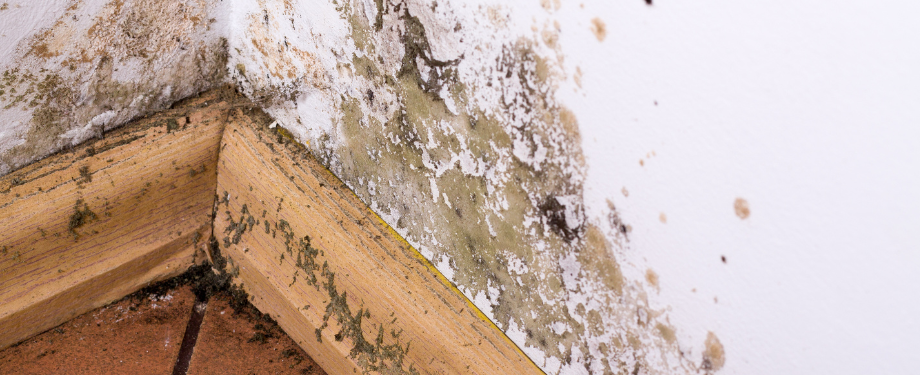
- Act quickly to prevent moldMold is a type of fungus that grows in damp or humid conditi... More. MoldMold is a type of fungus that grows in damp or humid conditi... More can begin growing within 24 to 48 hours after floodingFlooding is the overflow or accumulation of water in areas t... More. Reach out to professional water damage restoration and mold remediation experts immediately. Delaying even a day or two can make cleanup harder, more expensive, and potentially harmful to your health.
Get Local Help Through RestorationMaster
Whether you’re in Maui, Honolulu, San Diego, Los Angeles, San Francisco, Portland, or Seattle, you don’t have to face the damage alone.
RestorationMaster connects homeowners and property managers with certified, local disaster restorationRestoration is the process of returning a property to its pr... More contractors across Hawaii and the U.S. West Coast. These trusted professionals specialize in:
- Emergency water extraction
- Structural dryingDrying is the process of removing moisture from materials, s... More and dehumidificationDehumidification is the process of reducing and controlling ... More
- MoldMold is a type of fungus that grows in damp or humid conditi... More inspectionInspection is the careful examination and assessment of a pr... More and remediation
- SewageSewage is wastewater containing biological and chemical cont... More backup cleanup
- Complete flood restorationRestoration is the process of returning a property to its pr... More
Why RestorationMaster?
RestorationMaster has built a nationwide network of restorationRestoration is the process of returning a property to its pr... More contractors who are trained, insured, and equipped to respond fast after disasters. When minutes matter, they help you take the first step toward recovery.
Need Help Now? Visit www.restorationmasterfinder.com to find a local water damage restorationWater damage restoration is the professional process of clea... More expert in your area. Just enter your city or ZIP code and connect with a nearby contractor today.

About Vince Sandri
Vince Sandri is a content writer and blogger with more than 12 years of experience. His expertise is in creating content related to disaster restorationRestoration is the process of returning a property to its pr... More, including information about preventing and reacting to natural disasters like floodingFlooding is the overflow or accumulation of water in areas t... More, water damage, fire and smoke damage, moldMold is a type of fungus that grows in damp or humid conditi... More growth, storm damage and more.
Vince has been the main contributor to RestorationMasterFinder.com since 2014. Over that time, he has written numerous service pages and blogs for disaster restorationRestoration is the process of returning a property to its pr... More providers featured on RestorationMasterFinder.com. Vince has done extensive research and covered a wide range of topics relating to disaster restorationRestoration is the process of returning a property to its pr... More to help homeowners, business owners, and property managers better protect their property. He understands the problems that disasters like floodingFlooding is the overflow or accumulation of water in areas t... More, fire, smoke, and moldMold is a type of fungus that grows in damp or humid conditi... More can cause as well as the best ways to respond to these issues to limit the damage.
Vince completed his Bachelor of Arts degree at Aurora University and his master’s degree at DePaul University. He has been writing SEO website pages, blogs, and press releases since 2012. Vince is also a musician and can be seen playing in the Chicago, IL area.