



Emergency Restoration Timeline: What Happens First, Next, Last
When a property suffers water, fire, storm, or smoke damage, the speed and sequence of response directly impact safety, repair costs, insurance outcomes, and long-term property value. Restoration is a structured process that unfolds in phases, each with clear priorities and risks if delayed or handled incorrectly.
This guide explains the emergency restoration timeline in plain language so homeowners and property managers understand what happens first, what comes next, and what must be completed last to ensure a safe and complete recovery. It is written with expert insight, examples, and decision frameworks.
At a Glance: The Emergency Restoration Timeline
Immediate Response (First 0–24 Hours)
Life safety, damage stabilization, and preventing escalation.
Short Term Mitigation (Day 1–3)
Removing damaged materials, drying, cleaning, and contamination control.
Restoration Planning & Repair (Days to Weeks)
Rebuilding, refinishing, and returning the property to pre-loss condition.
Skipping steps or changing the order often leads to mold growth, structural issues, denied insurance claims, or higher total costs.
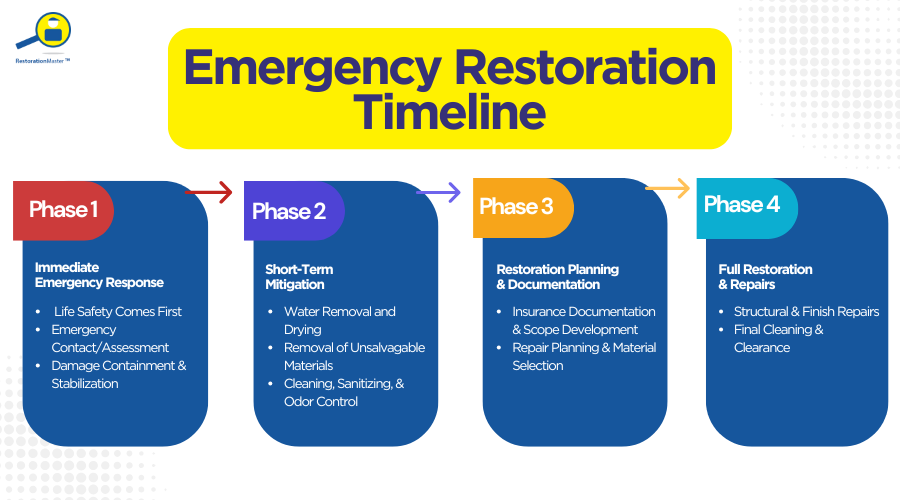
Phase 1: Immediate Emergency Response (First 0–24 Hours)
The first day after a disaster is about control, not repair. The goal is to stop the damage from spreading and ensure the property is safe to enter.
1. Life Safety Comes First
Safety must be addressed before cleanup begins. Key actions include:
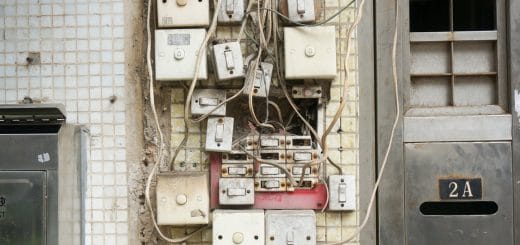
- Shut off electricity if water or fire damage is present.
- Shut off the gas if fire or structural damage occurs.
- Evacuate occupants if structural instability, smoke residue, or contamination is suspected.
- Use protective equipment when entering damaged areas (FEMA National Response Framework).
2. Emergency Contact and Assessment
Once safe, a restoration professional performs an assessment focusing on:
- Source of damage and whether it is active.
- Extent of visible and hidden damage.
- Category of water or contamination level.
- Structural integrity concerns.
- Immediate actions are required to prevent escalation.
3. Damage Containment and Stabilization
Emergency services prevent additional damage. Examples include:
- Water extraction to stop saturation (water damage restoration).
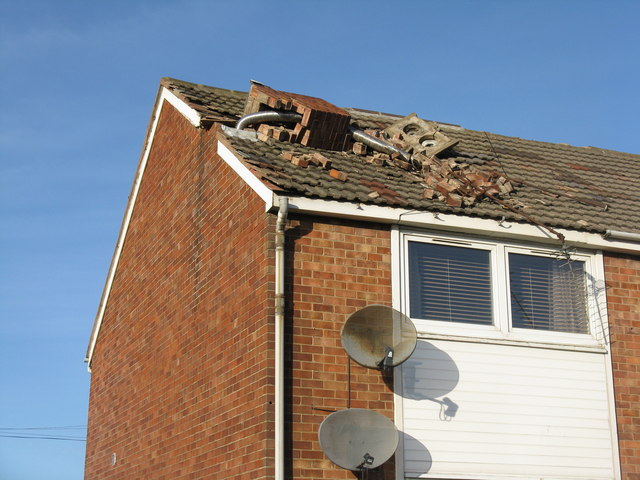
- Board-up services after fire or storm damage (fire damage restoration)
- Roof tarping to prevent rain intrusion.
- Temporary power or dehumidification.
- Smoke odor containment (smoke damage restoration).
Phase 2: Short-Term Mitigation (Day 1–3)
Once the situation is stabilized, mitigation begins. This phase prevents secondary damage and prepares the property for repair.
4. Water Removal and Drying
If water is involved, controlled drying begins immediately:
- Pumping or extracting standing water.
- Removing wet materials that cannot be salvaged.
- Setting professional-grade air movers and dehumidifiers (IICRC S500 standards).
- Monitor moisture levels daily.
5. Removal of Unsalvageable Materials
Certain materials must be removed to prevent contamination or structural failure:
- Saturated drywall or insulation.
- Warped flooring.
- Fire-damaged framing or finishes.
- Smoke-contaminated soft goods.
6. Cleaning, Sanitizing, and Odor Control
After removal, the remaining structure is cleaned and treated:
- Antimicrobial application after water damage (CDC Mold Cleanup Guidelines and Recommendations)
- Soot and smoke residue removal after fire.
- HEPA filtration for airborne particles.
- Odor neutralization techniques.
Phase 3: Restoration Planning and Documentation
Before repairs begin, documentation and planning must be completed.
7. Insurance Documentation and Scope Development
Accurate documentation protects the property owner:
- Moisture readings and drying logs.
- Photo and video documentation.
- Itemized scope of work.
- Communication with insurance adjusters.
8. Repair Planning and Material Selection
With mitigation complete, the property can be rebuilt:
- Structural repairs (disaster restoration services).
- Finish selections.
- Code compliance considerations.
- Timeline coordination.
Phase 4: Full Restoration and Repairs (Days to Weeks)
This phase returns the property to pre-loss condition.
9. Structural and Finish Repairs
Repairs may include:
- Drywall replacement and painting.
- Flooring installation.
- Cabinetry and trim work.
- Electrical and plumbing repairs.
10. Final Cleaning and Clearance
Before occupancy:
- Dust and debris are removed.
- Air quality is verified when needed (mold remediation services).
- Equipment is removed.
- Final walkthroughs are completed.
Consequences of Delays or Skipping Steps
Delays or skipped steps can result in:
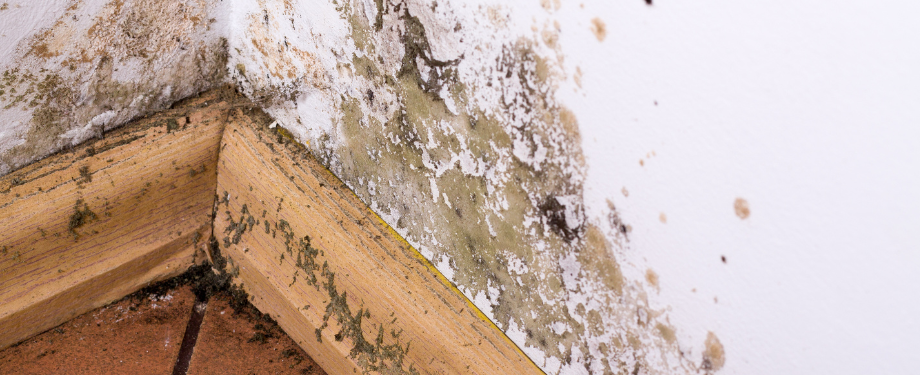
- Mold growth within 24–72 hours after water damage.
- Permanent odor penetration after fire damage.
- Structural deterioration.
- Higher insurance claim scrutiny.
- Increased total restoration costs.
Emergency restoration is time-sensitive. The sequence matters as much as speed.
Frequently Asked Questions
What should I do first after water damage?
Ensure life safety, secure utilities, and contact a restoration professional immediately.
Can repairs start before drying is complete?
No. Repairs performed on wet materials often fail and may void insurance coverage.
How long does emergency restoration take?
Emergency mitigation typically takes several days. Full restoration can take weeks, depending on severity.
Do I need to contact insurance before restoration begins?
Damage should be documented, but emergency mitigation should never be delayed while waiting for insurance approval.
Why Following the Restoration Timeline Matters
Emergency restoration is not about quick fixes. It is about controlling damage, protecting health, and preserving property value through a proven sequence of actions.
Understanding what happens first, next, and last helps property owners make informed decisions during a stressful event and avoid mistakes that create long-term consequences. When restoration follows the correct timeline, outcomes are safer, faster, and more cost-effective.
Helpful Restoration Resources
Responding to a Home Flood in the First 24 Hours
Learn the essential first steps to take immediately after a flood, including safety precautions, damage assessment, and actions that prevent further property loss.
Recovering From Fire Damage – What To Do After a Fire Disaster
Understand the critical actions homeowners should take after a fire, including smoke and soot cleanup, securing your home, and planning for restoration.
Mold Guide for Homeowners
A comprehensive guide on identifying, preventing, and addressing mold in your home, including the health risks and the importance of professional remediation.
The Right Steps to Take After a Sewage Backup
A step-by-step guide on safely handling sewage backups, including immediate cleanup, contamination prevention, and when to call professional restoration services.

About Vince Sandri
Vince Sandri is a disaster restoration content specialist with more than 12 years of experience researching, writing, and educating property owners about water damage, fire and smoke damage, mold remediation, storm damage, and other disaster recovery topics. Since 2014, he has served as the lead contributor to RestorationMasterFinder.com, where he has developed hundreds of in-depth service pages, educational guides, and industry-focused articles for restoration professionals across the United States.
Through extensive research and ongoing collaboration with restoration contractors, Vince has built a strong foundation in the science, processes, and best practices behind property damage mitigation and recovery. His work helps homeowners, business owners, and property managers understand how disasters impact structures, what immediate steps to take, how professional restoration works, and how to prevent long-term structural and health risks.
Vince specializes in translating complex restoration procedures — including water extraction, structural drying, smoke odor removal, mold containment, and storm damage repair — into clear, actionable information that empowers readers to make informed decisions during high-stress situations. His content aligns with industry standards and focuses on safety, accuracy, and practical response strategies.
He earned his Bachelor of Arts degree from Aurora University and his master’s degree from DePaul University. Since 2012, Vince has focused on SEO-driven website content, technical service pages, and educational resources within the disaster restoration industry.
Outside of his professional work, Vince is also a musician and performs in the Chicago, IL area.