



Does Hydrogen Peroxide Kill Mold?
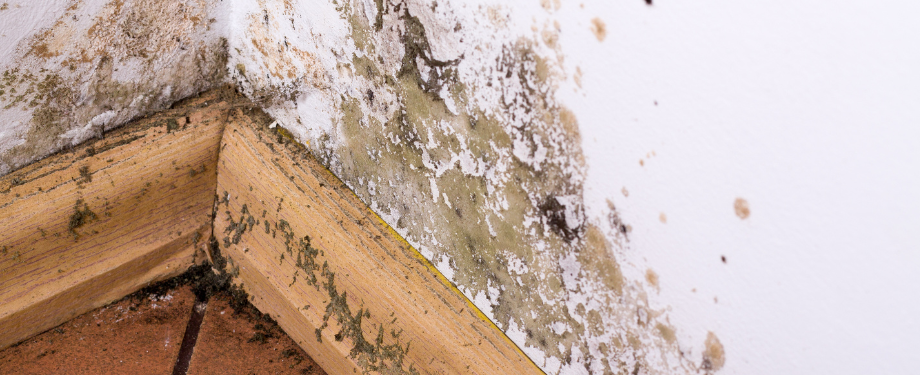
Hydrogen peroxide offers a natural and effective solutionA solution is a homogeneous mixture of two or more substance... More for removing moldMold is a type of fungus that grows in damp or humid conditi... More from non-porous surfaces. Widely available in most households, it’s an excellent option for tackling small moldMold is a type of fungus that grows in damp or humid conditi... More outbreaks. However, for larger, more widespread infestations, it’s best to consult professional mold remediation experts to ensure thorough and safe removal.
Does Hydrogen Peroxide Kill Mold?
Containing an abundance of antimicrobial properties, hydrogen peroxide is a safe and effective solutionA solution is a homogeneous mixture of two or more substance... More for killing various pathogensPathogens are microorganisms such as bacteria, viruses, or f... More, like bacteria, virusesViruses are microscopic infectious agents that can only repr... More, and fungiFungi are a group of organisms, including mold, mildew, and ... More. MoldMold is a type of fungus that grows in damp or humid conditi... More, being one of many types of fungiFungi are a group of organisms, including mold, mildew, and ... More, is also readily eliminated by applications of hydrogen peroxide.
Hydrogen peroxide, when combined with baking soda, is useful for killing black moldMold is a type of fungus that grows in damp or humid conditi... More. Ideally, a 3% or 10% hydrogen peroxide concentration should be used. Homeowners can witness the hydrogen peroxide’s effectiveness when it fizzes upon contact with the black moldMold is a type of fungus that grows in damp or humid conditi... More sporesSpores are microscopic reproductive units of fungi or mold t... More.
When Should You Use Hydrogen Peroxide for Mold Removal?
Homeowners should use hydrogen peroxide for moldMold is a type of fungus that grows in damp or humid conditi... More removal when the infestation occurs on non-porous surfaces, like tabletops and counters. It can also be used on most synthetic fabrics. However, the hydrogen peroxide can potentially bleach the fabrics if not cleaned off.
Hydrogen peroxide should not be used on porousPorous describes a material that contains small openings or ... More surfaces, such as carpeting, upholstery, or bathroom rugs. The solutionA solution is a homogeneous mixture of two or more substance... More fails to inhibit moldMold is a type of fungus that grows in damp or humid conditi... More growth on other porousPorous describes a material that contains small openings or ... More surfaces, like wood, ceiling tiles, and fabrics, too. When moldMold is a type of fungus that grows in damp or humid conditi... More growth occurs in these areas, the moldy items must be replaced.
How to Safely Use Hydrogen Peroxide to Kill Mold
Safety is paramount when cleaning moldMold is a type of fungus that grows in damp or humid conditi... More. Wear protective gear, such as a face mask, goggles, and disposable gloves, to prevent coming in contact with the moldMold is a type of fungus that grows in damp or humid conditi... More sporesSpores are microscopic reproductive units of fungi or mold t... More. Since hydrogen peroxide does not emit toxic fumes, it’s a safer cleaning solutionA solution is a homogeneous mixture of two or more substance... More than bleach.
Get 3% hydrogen peroxide from the local pharmacy. Pour the solutionA solution is a homogeneous mixture of two or more substance... More into a spray bottle, then spritz the moldy areas. Allow the hydrogen peroxide to fizz for 10 minutes. Once it stops bubbling, use a rag or brush to gently scrub away the moldMold is a type of fungus that grows in damp or humid conditi... More. Wipe dry and repeat as needed.

What are Natural Remedies to Kill Mold?
If hydrogen peroxide isn’t readily available, homeowners may have other products on hand to kill the moldMold is a type of fungus that grows in damp or humid conditi... More colonies. Natural remedies include vinegar, tea tree oil, baking soda, and grapefruit seed extract. Detergent and warm water can also be applied to moldMold is a type of fungus that grows in damp or humid conditi... More on non-porous surfaces and scrubbed off.
Tea tree oil is a more expensive option; but as an anti-fungal, it kills all types of molds. Grapefruit seed extract can be purchased from health food stores; the citric acid attacks the sporesSpores are microscopic reproductive units of fungi or mold t... More without leaving behind odors. Baking soda is typically used with vinegar to remove moldMold is a type of fungus that grows in damp or humid conditi... More.
Vinegar vs. Hydrogen Peroxide for Mold Removal
While some homeowners may prefer either vinegar or hydrogen peroxide to clean moldMold is a type of fungus that grows in damp or humid conditi... More, it is strongly advised to never mix the two together. Combining these two solutions creates peracetic acid, a toxic mix that irritates the throat, lungs, eyes, and skin.
Vinegar can be used on about 80% of moldMold is a type of fungus that grows in damp or humid conditi... More species but doesn’t kill all types of molds. This household staple doesn’t need to be diluted with water to be effective. However, it can cause etching or damage to certain household surfaces, such as natural stone, cast iron, and aluminum.
Hydrogen peroxide may be preferred because it is a safer alternative to bleach. It does not damage the environment or produce fumes. Furthermore, hydrogen peroxide does not leave behind toxic residues. It can be used on a variety of surfaces, like kitchen appliances and bathroom fixtures.
When to Call Professionals for Mold Removal and Remediation
When moldMold is a type of fungus that grows in damp or humid conditi... More infestations are minor, homeowners can safely perform a DIY moldMold is a type of fungus that grows in damp or humid conditi... More removal. However, it becomes hazardous to the property owner’s health when the moldMold is a type of fungus that grows in damp or humid conditi... More colonies cover an expansive area. The Environmental Protection Agency (EPA) advises against cleaning moldMold is a type of fungus that grows in damp or humid conditi... More in areas larger than 10 square feet.
Instead, it’s best to call in experienced mold remediation professionals to clean up the large areas of moldMold is a type of fungus that grows in damp or humid conditi... More. Experts are recommended because moldMold is a type of fungus that grows in damp or humid conditi... More sporesSpores are microscopic reproductive units of fungi or mold t... More can easily contaminate other areas of the home when colonies are improperly handled. This leads to the spread of moldMold is a type of fungus that grows in damp or humid conditi... More throughout the home.
Plus, moldMold is a type of fungus that grows in damp or humid conditi... More cleanup technicians arrive wearing personal protective equipment (PPE)Personal protection equipment (PPE) is safety gear such as g... More that protects them against exposure to moldMold is a type of fungus that grows in damp or humid conditi... More sporesSpores are microscopic reproductive units of fungi or mold t... More. Homeowners who suffer from respiratory health conditions that can be exacerbated by moldMold is a type of fungus that grows in damp or humid conditi... More cleanup should leave the task to professionals.
A professional mold removal service is also advisable when moldMold is a type of fungus that grows in damp or humid conditi... More infestations develop in the home’s air conditioning, heating, or ventilationVentilation is the process of exchanging or circulating air ... More systems. Experts come equipped with the tools and skills to access hard-to-reach places, thoroughly remove moldMold is a type of fungus that grows in damp or humid conditi... More sporesSpores are microscopic reproductive units of fungi or mold t... More, and elevate indoor air qualityIndoor air quality (IAQ) refers to the condition of the air ... More.
When moldMold is a type of fungus that grows in damp or humid conditi... More colonies develop in a small area, it’s safe to use hydrogen peroxide to kill the moldMold is a type of fungus that grows in damp or humid conditi... More. However, when the infestation is major, mold remediationMold remediation is the process of identifying, removing, an... More professionals are prepared to eliminate all traces of both hidden and visible moldMold is a type of fungus that grows in damp or humid conditi... More from your residential home or commercial property.
Contact Your Local Mold Remediation Professionals
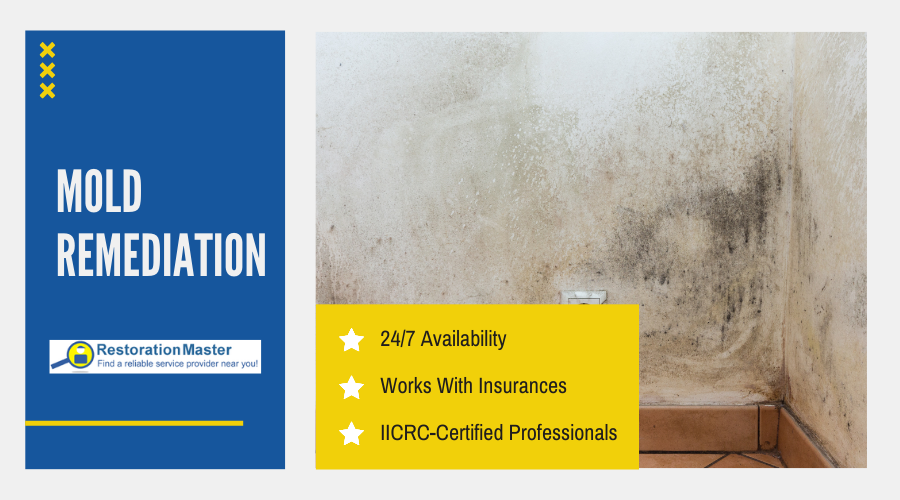
Highly skilled mold removal technicians arrive promptly after your call to inspect the property. They examine high-risk areas, such as bathrooms and basements. Upon creating a moldMold is a type of fungus that grows in damp or humid conditi... More cleanup plan to address the issues, specialists begin the mold remediationMold remediation is the process of identifying, removing, an... More process right away.
The affected areas are sealed off to prevent cross-contaminationCross-contamination occurs when harmful substances, such as ... More to other parts of the property. Specialized equipment is used to create negative air pressure to further prevent airborne sporesSpores are microscopic reproductive units of fungi or mold t... More from contaminating nearby areas. They run HEPA vacuums and apply cleaning solutions to kill the moldMold is a type of fungus that grows in damp or humid conditi... More.
The spaces are thoroughly dried to prevent moisture from continuing to feed the moldMold is a type of fungus that grows in damp or humid conditi... More sporesSpores are microscopic reproductive units of fungi or mold t... More. Technicians then identify the moisture source contributing to the moldMold is a type of fungus that grows in damp or humid conditi... More growth and repairRepair is the act of fixing or restoring damaged property, m... More it. Excess moisture may be caused by common issues, such as leaks, high humidityHumidity is the amount of moisture or water vapor present in... More levels, and poor ventilationVentilation is the process of exchanging or circulating air ... More.

About Vince Sandri
Vince Sandri is a content writer and blogger with more than 12 years of experience. His expertise is in creating content related to disaster restorationRestoration is the process of returning a property to its pr... More, including information about preventing and reacting to natural disasters like floodingFlooding is the overflow or accumulation of water in areas t... More, water damage, fire and smoke damage, moldMold is a type of fungus that grows in damp or humid conditi... More growth, storm damage and more.
Vince has been the main contributor to RestorationMasterFinder.com since 2014. Over that time, he has written numerous service pages and blogs for disaster restorationRestoration is the process of returning a property to its pr... More providers featured on RestorationMasterFinder.com. Vince has done extensive research and covered a wide range of topics relating to disaster restorationRestoration is the process of returning a property to its pr... More to help homeowners, business owners, and property managers better protect their property. He understands the problems that disasters like floodingFlooding is the overflow or accumulation of water in areas t... More, fire, smoke, and moldMold is a type of fungus that grows in damp or humid conditi... More can cause as well as the best ways to respond to these issues to limit the damage.
Vince completed his Bachelor of Arts degree at Aurora University and his master’s degree at DePaul University. He has been writing SEO website pages, blogs, and press releases since 2012. Vince is also a musician and can be seen playing in the Chicago, IL area.