


How to Disinfect Your Home to Protect Against Viruses
Microscopic and abundant everywhere on earth, virusesViruses are microscopic infectious agents that can only repr... More are an integral part of life. But these harmful organisms will not have a chance to multiply inside residential homes—if surfaces are cleaned and disinfected on a regular basis. Here’s how to disinfect a home and protect its occupants from virusesViruses are microscopic infectious agents that can only repr... More.
What are viruses?
 VirusesViruses are microscopic infectious agents that can only repr... More are infectious organisms that can attack plants, animals, fungiFungi are a group of organisms, including mold, mildew, and ... More and even bacteria. Some virusesViruses are microscopic infectious agents that can only repr... More trigger deadly diseases. Or, viral infections may be so mild that they go unnoticed. The same virus may have a disastrous effect on one host, while having no effect on another.
VirusesViruses are microscopic infectious agents that can only repr... More are described as the most profuse biological organism on the planet. VirusesViruses are microscopic infectious agents that can only repr... More are composed of genetic material, either RNA or DNA. A protective protein, lipid (fat) or glycoprotein coat surrounds each virus. Parasitic in nature, virusesViruses are microscopic infectious agents that can only repr... More are unable to replicate without a host cell.
What diseases do viruses cause?
The common cold, parainfluenza, and influenza, for instance, are caused by a virus. Diseases caused by virusesViruses are microscopic infectious agents that can only repr... More also include rabies and Ebola. The most recent viral outbreak to affect the global population is Covid-19, which is caused by the SARS-CoV-2 virus.
Viral infections have no cure. Vaccinations help prevent virus transmissions. VirusesViruses are microscopic infectious agents that can only repr... More spread from person to person through physical touch or respiratory droplets emitted by sneezing, laughing, or coughing. Contaminated food or water can transmit virusesViruses are microscopic infectious agents that can only repr... More. Some virusesViruses are microscopic infectious agents that can only repr... More are carried to humans by insects.
Do viruses live on surfaces?
 While contact between people can transmit virusesViruses are microscopic infectious agents that can only repr... More, surfaces contaminated by virusesViruses are microscopic infectious agents that can only repr... More are also vehicles for spreading disease. VirusesViruses are microscopic infectious agents that can only repr... More remain viable on various surfaces for different lengths of time. An infected person may touch a surface, and the next person who touches it can become infected.
Cold virusesViruses are microscopic infectious agents that can only repr... More live on human hands for up to an hour. Flu virusesViruses are microscopic infectious agents that can only repr... More are viable on hard surfaces, like plastic or steel, for up to 24 hours. Parainfluenza virusesViruses are microscopic infectious agents that can only repr... More live up to 10 hours on hard surfaces. The coronavirus remains active for a few hours to a few days.
The highly contagious nature of different virusesViruses are microscopic infectious agents that can only repr... More makes it critical that homeowners clean and disinfect the home frequently. Cleaning and disinfecting surfaces rids the home of potentially fatal virusesViruses are microscopic infectious agents that can only repr... More as well as virusesViruses are microscopic infectious agents that can only repr... More that can make a person either mildly or severely ill.
What is the difference between cleaning and disinfecting?
Before jumpstarting a cleaning and disinfecting regimen, it is important to understand the difference between the two processes. Cleaning removes germs and virusesViruses are microscopic infectious agents that can only repr... More but fails to kill them. Soap and water are sufficient to rid surfaces of visible grime and reduce the number of germs.
The disinfecting process kills the virusesViruses are microscopic infectious agents that can only repr... More and germs but does little to remove visible grime. Both cleaning and disinfecting are necessary to achieve a safe and hygienic home environment. EPA-registered disinfectants that are approved for either soft or hard surfaces are most effective.
Some disinfectantA disinfectant is a chemical substance used to kill or inact... More products are specifically manufactured to kill the coronavirus, cold virus, or other virusesViruses are microscopic infectious agents that can only repr... More. Examine the label carefully prior to use. Also follow the recommended contact time, which is the number of minutes the disinfectantA disinfectant is a chemical substance used to kill or inact... More must remain visibly wet on the surface in order to be effective.
What household goods should be disinfected?
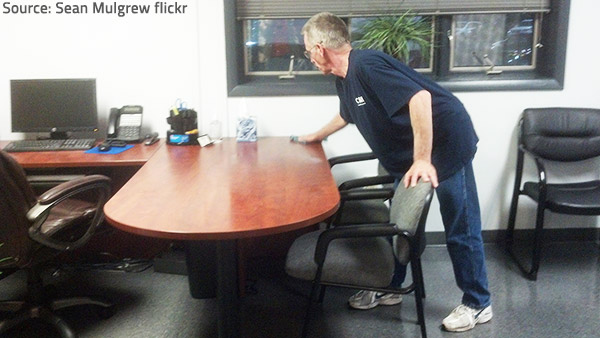
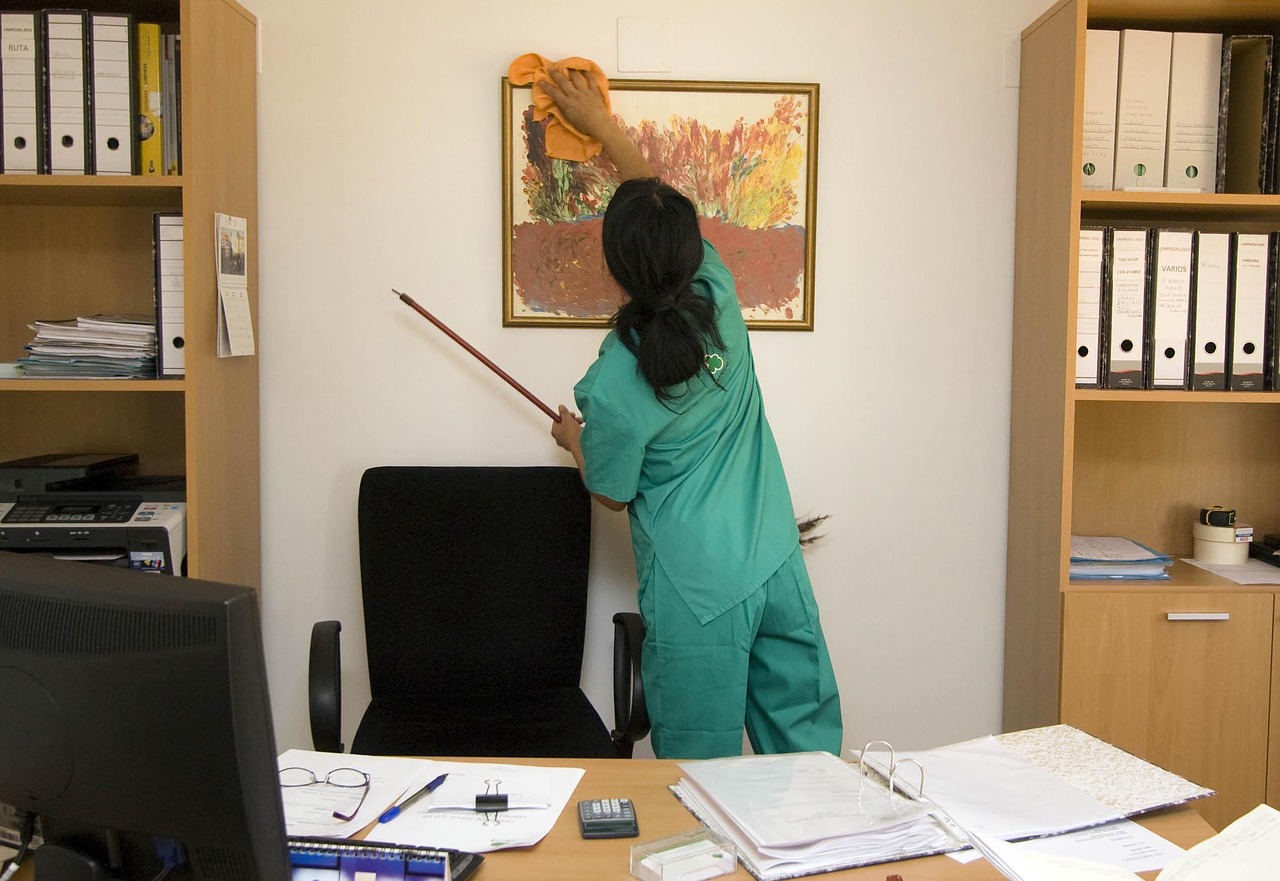
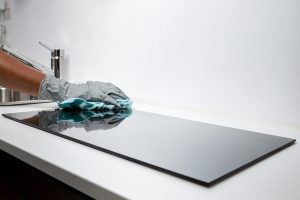
 High-touch surfaces in the home require daily disinfecting. Homeowners are advised to routinely disinfect objects, such as doorknobs, light switches, faucet handles, toilets, hardbacked chairs, countertops, and desks. Also disinfect phones, tablets, remote controls, and shared items, like kitchen tools.
Low-touch surfaces and objects should be disinfected, but less regularly than high-touch ones. In general, the more often a surface or object is handled or shared by multiple people, the greater the need is to disinfect those items as frequently as possible.
Soft items, like clothing, towels, and linens, may be tossed into the wash and run under the warmest setting to be cleaned and disinfected. Do not shake out the soft materials prior to washing, as doing so will release the embedded viral particles and contaminate the air.
Some virusesViruses are microscopic infectious agents that can only repr... More, like the coronavirus, are now known to spread mostly through the inhalation of infectious aerosols, which are microscopic particles emitted by coughing, sneezing, or talking. The aerosol droplets are so tiny that they can remain suspended in the air for minutes to hours.
Aerosol transmission of virusesViruses are microscopic infectious agents that can only repr... More, like the coronavirus, can be prevented by increasing the ventilationVentilation is the process of exchanging or circulating air ... More in the home. Any visitors to the home should wear a mask to reduce the risk of releasing potentially infectious aerosols. At present, limit large groups of people and holding gatherings in the home.
Viral infections can occur at any time, whether it is flu season or during the current coronavirus pandemic. Preventing virusesViruses are microscopic infectious agents that can only repr... More from contaminating the home, however, is accomplished by applying EPA-approved disinfectants, following the product instructions, and disinfecting high-touch surfaces often.
Professional Cleaning and Disinfection
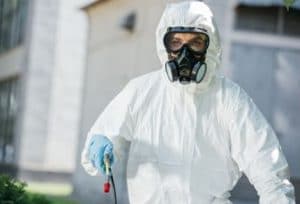 The best protection against virusesViruses are microscopic infectious agents that can only repr... More is to hire a professional cleaning and disinfection service. Experienced crews arrive at your home and start a deep cleaning and disinfecting process. Rest assured that your home will be thoroughly sanitized, cleaned, and disinfected.
The disinfectants applied include hospital-grade products, which offer 99.9 percent protection from disease-causing pathogensPathogens are microorganisms such as bacteria, viruses, or f... More. The state-of-the-art technology includes the Clorox Total 360 Disinfection System, which can be effectively utilized to disinfect commercial spaces and prevent disease outbreaks. Technicians wear personal protective equipment during every disinfection.
RestorationMaster partners provide full disinfection services to residential homes and business properties. They fog the commercial space with a broad-spectrum biocide, as necessary. Air spaces in the building are treated to prevent viral transmissions through aerosols. High-touch points are disinfected.

About Vince Sandri
Vince Sandri is a content writer and blogger with more than 12 years of experience. His expertise is in creating content related to disaster restorationRestoration is the process of returning a property to its pr... More, including information about preventing and reacting to natural disasters like floodingFlooding is the overflow or accumulation of water in areas t... More, water damage, fire and smoke damage, moldMold is a type of fungus that grows in damp or humid conditi... More growth, storm damage and more.
Vince has been the main contributor to RestorationMasterFinder.com since 2014. Over that time, he has written numerous service pages and blogs for disaster restorationRestoration is the process of returning a property to its pr... More providers featured on RestorationMasterFinder.com. Vince has done extensive research and covered a wide range of topics relating to disaster restorationRestoration is the process of returning a property to its pr... More to help homeowners, business owners, and property managers better protect their property. He understands the problems that disasters like floodingFlooding is the overflow or accumulation of water in areas t... More, fire, smoke, and moldMold is a type of fungus that grows in damp or humid conditi... More can cause as well as the best ways to respond to these issues to limit the damage.
Vince completed his Bachelor of Arts degree at Aurora University and his master’s degree at DePaul University. He has been writing SEO website pages, blogs, and press releases since 2012. Vince is also a musician and can be seen playing in the Chicago, IL area.