






Top 7 Water Damage Mistakes Boston Homeowners Make in the First 24 Hours

When water starts pouring into your home, nobody in Boston goes looking for a handbook. You grab towels, try to stop the water, maybe call a family member and feel a little panic. That is normal.
From our side, we have been in many Boston homes after storms, broken pipes and sump pump problems. We keep seeing the same thing. Homeowners try to fix it fast, but a few simple mistakes in the first day make the damage much worse and more expensive.
The good part is that most of these mistakes are easy to avoid.
In this guide, we share the top mistakes we see in the first 24 hours after water damage in Boston homes and what you can do instead.
Real water damage case from a Boston basement
The Dorchester basement that looked like a small problem
After a spring rain, a family in Dorchester came home in the evening and saw water on the floor in their finished basement. It covered part of the room, only a thin layer, and did not look like a major flood.
They did three things right away:
- They grabbed towels and an old mop and pushed as much water as they could toward a drain.
- They set two small fans to blow across the floor.
- They left a portable dehumidifier running in the laundry area nearby and went to bed, hoping it would dry out by morning.
In the morning the bare concrete in the center of the room felt dry to the touch. They almost called to cancel the appointment with us, but they noticed a light musty smell and decided to keep it.
When we checked the space with moisture meters, the picture was very different:
- The lower part of the finished walls still had high moisture inside.
- The back of the baseboards was wet.
- Moisture had already moved into the storage room next to the main area, even though the floor in that room looked dry.
We were able to dry most of the structure and avoid a full rebuild, but more wall material had to be removed and the equipment had to stay longer than if drying had started right away.
That job is a good example of what can happen in the first day. The family did not ignore the water. They just did not realize how far it had already gone.
1. Waiting to see if it dries by itself
This is the most common mistake we see in Boston.
From the outside, the situation often looks simple. There may be a shallow puddle, a few wet cardboard boxes, or a small stain on the ceiling. A fan runs for a few hours and the surface looks better, so it is easy to think the problem is over.
Inside the structure, something else can be happening:
- Water can move up inside wall cavities.
- Carpet pad and subfloor can stay damp even when the carpet feels dry on top.
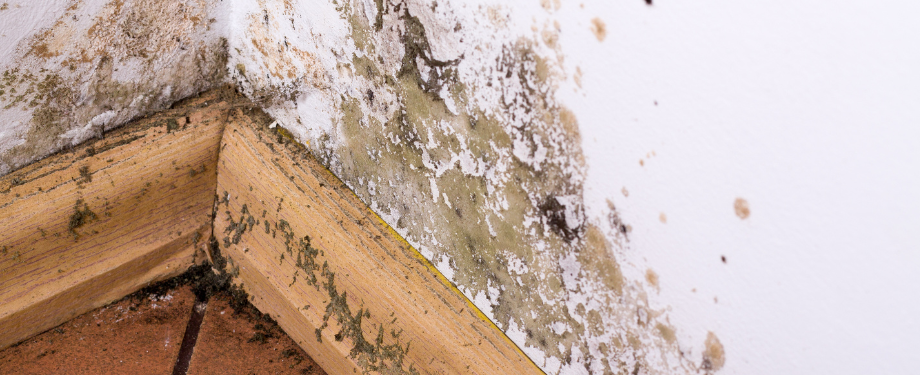
- The back of drywall and trim can hold moisture for days.
If that hidden moisture is left alone for a day or two, the chances of mold and long term damage go up.
What helps instead
Clean what you can see, but assume there may be more moisture than you can feel. If a finished basement, wood floor, or wall was wet, it is worth having a professional check it with meters. A short visit can tell you if the space is truly drying or if there is still a problem inside the structure.
2. Cleaning before the water is fully stopped
We often arrive at homes where the owner did a lot of mopping or vacuuming, but the source of the water was still active.
Examples we see in Boston:
- A slow leak from a supply pipe in a South Boston condo ceiling
- A foundation seep where water is still coming through a wall
- A washing machine that continues to drip from a loose hose
The visible puddle may shrink while the water continues to spread under walls, into other rooms, or below flooring.
What helps instead
- If it is safe, close the valve for the fixture that is leaking, such as under a sink or behind a toilet.
- If you cannot find it, or if more than one area is affected, use the main shutoff for the house.
- If water is close to outlets, cords, or the electrical panel, do not touch any electrical equipment. Step away and call for help.
Once you are sure the source has stopped and the space is safe, then begin cleanup.
3. Focusing only on what you can see
Small fans and open windows are useful, but they only affect the air and the surface. In many basements we check, the carpet or floor feels dry, but when we lift one corner or test inside the wall, we still find moisture.
Common hidden problems:
- A carpet pad that is still wet under a dry carpet
- Subflooring that is holding moisture
- Studs and insulation that have started to absorb water
Wood floors behave in a similar way. They can look normal for a day or two, then begin to cup or separate as the moisture inside them increases.
What helps instead
Use towels and a wet vacuum to remove any standing water. After that, do not rely only on touch. Ask for a moisture inspection. A professional can test walls, floors, and ceilings and then set up dehumidifiers and air movers in the right places. In some cases, small sections of trim or drywall must be removed so the area behind them can dry correctly.
4. Assuming all water is clean
Many Boston homes have older plumbing and floor drains. Water does not always come from a fresh supply line. We often see situations where water backs up from a drain or toilet, or where outside water comes in through a foundation after heavy rain.
It is easy to think it is just a little dirty water and treat it like a normal spill. The risk is that this type of water can carry bacteria and other contaminants, especially if it came from a drain, a sewer line, or outside ground water.
What helps instead
If water came from a drain, toilet, sewer pipe, or outside flooding, avoid direct contact as much as possible. Keep children, older adults, and pets away from the wet area. A professional can decide what can be cleaned and sanitized and what needs to be removed and replaced.
5. Throwing out damaged items before taking any photos
Basements and lower levels in Boston often hold quite a bit of personal property. Holiday decorations, photographs, sports equipment, extra furniture, and seasonal clothing often end up there. When water comes in, the first reaction is to clear the space and get rid of anything that looks ruined.
Later, when an insurance claim is filed, it becomes difficult to show what was there and how much was lost if there are no photos or lists.
What helps instead
Before you bring items to the trash or the curb, take a little time to document the damage:
- Take clear photos of each room and of individual damaged items.
- Record a short video walk through that shows the water line and affected areas.
- Write a short list that describes each damaged item, roughly how old it is, and a general value if you know it.
- After that, remove the items that are clearly ruined so that drying can begin, but keep your notes and photos in a safe place.
6. Entering areas that may not be safe
We have seen owners step under ceilings that are bowed with water, walk through standing water to reach the breaker panel, or go barefoot through puddles that clearly came up from a floor drain or toilet.
These are natural reactions when you want to stop damage or save belongings, but they can be risky. Hidden dangers include:
- A ceiling that may give way without much warning
- Water that has reached electrical outlets or wiring
- Contaminated water that can cause illness
What helps instead
If a ceiling is bulging or sagging, stay out of the room until it is checked. Do not walk through standing water that is close to outlets, cords, or the electrical panel. If the water clearly came from a drain or sewer, wait for a professional who has the right equipment and protective gear.
7. Waiting several days to call insurance or a restoration company
Many owners do not want to make a big issue out of something that might be minor. They try to dry things on their own for a few days. They only call for help after they see warped floors, stains, or a stronger musty smell.
By that time, materials that could have been dried and saved sometimes have to be removed, and the work takes longer and costs more.
Insurance companies also expect you to act reasonably to limit the damage. If drying is delayed, it can raise questions later.
What helps instead
As soon as you see more than a small spill or isolated leak, let your insurance company know what happened and ask how you should proceed. Then contact a qualified water damage restoration company that serves Boston, MA. A short visit with proper testing gives you a clear picture of the problem and helps you decide the next steps.
A simple plan for the first day in a Boston home
If water gets into your home in Boston, you can use this basic order:
- Check for safety issues such as sagging ceilings, water near electrical items, or water from drains or sewer.
- Stop the source of the water if you can do it safely, either at the fixture or at the main shutoff.
- Take photos and a brief video of the affected areas and items before throwing anything away.
- Do light cleanup for clean water only, using towels and a wet vacuum. Leave drain and sewer water for professionals.
- Call your insurance company and a local water damage restoration company as soon as possible.
- Remember that moisture often goes farther than it appears, especially in finished basements and garden level units.
Handled this way, the first day after water damage does not have to turn into a long and complicated repair. You can limit the damage, protect your family, and give your home a better chance to recover.

About Chris Carey
With over 35 years of experience in the restoration industry, Chris Carey is a seasoned leader dedicated to helping businesses and homeowners recover from disasters. As the President of ServiceMaster by Disaster Associates, he has built a reputation for providing exceptional restoration services, specializing in water, fire, and mold remediation. Chris’s expertise in disaster recovery, combined with his commitment to customer service and industry innovation, has positioned ServiceMaster by Disaster Associates as a trusted name in the field.