



Common Causes of Water Damage in Your Home and Business
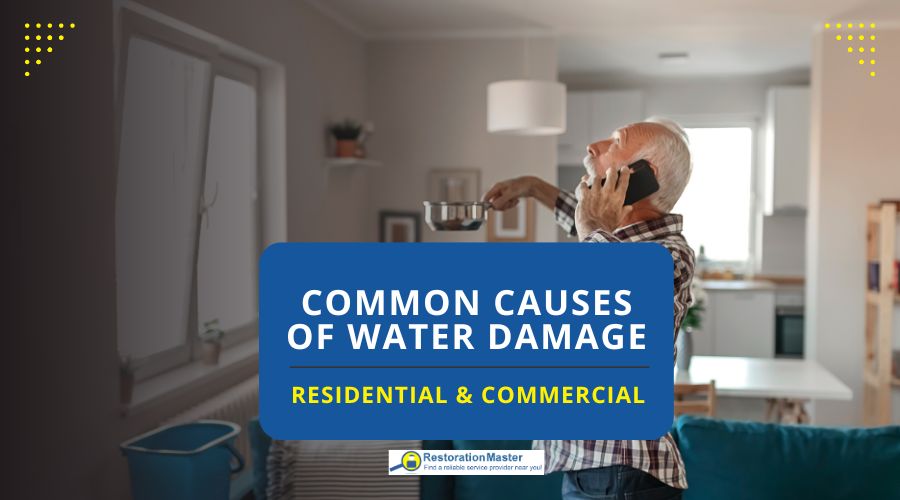
Water damage is one of the most disruptive and costly problems property owners can face—whether it’s in a single-family home, apartment complex, office, or retail building. Beyond the initial mess, lingering moisture can weaken structural components, ruin furnishings, and create conditions for moldMold is a type of fungus that grows in damp or humid conditi... More, bacteria, and rot to thrive.
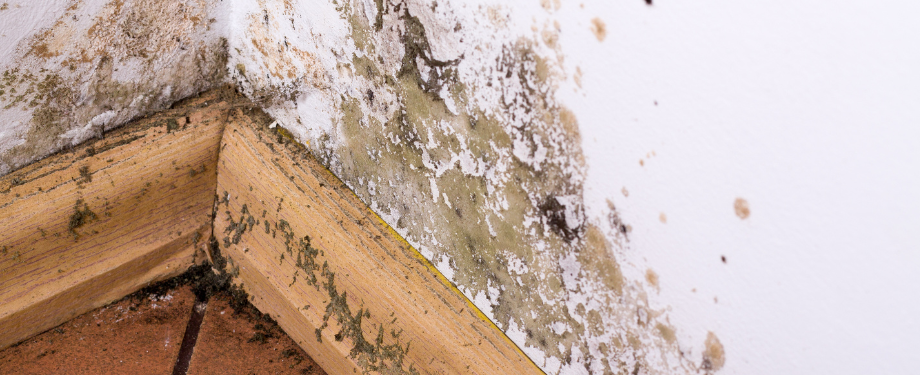
And when it comes to water damage, time is not a luxury. MoldMold is a type of fungus that grows in damp or humid conditi... More can begin growing within 24 to 48 hours, and the longer moisture sits, the greater the damage—and the cost.
This guide explores the most common causes of water damage, how to identify early warning signs, and what homeowners and commercial property managers alike can do to prevent and address the issue effectively.
Understanding Water Damage in Homes and Commercial Buildings
Water damage refers to the intrusion of water into structures and materials where it shouldn’t be—damaging floors, walls, ceilings, insulationInsulation is a material used in buildings to reduce the tra... More, and even the foundation of a building. It can result from sudden events like burst pipes or storms, or develop slowly over time through leaks, condensation, or drainage issues.
In homes, water damage often affects finished areas like basements, bathrooms, and kitchens. In commercial spaces, the damage can spread more extensively across large square footage, impacting equipment, inventory, or business operations.
Regardless of the type of property, fast response and preventative maintenanceMaintenance is the routine care, inspection, and repair of a... More are critical.
1. Weather-Related Water Intrusion
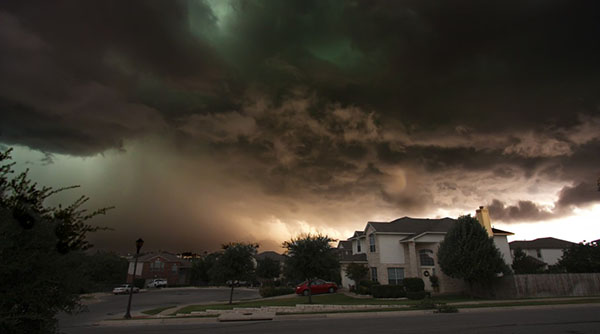
Storms, flash floods, snowmelt, and even wind-driven rain can cause water to enter your property. For both residential and commercial buildings, vulnerabilities often include:
- Poor roof maintenanceMaintenance is the routine care, inspection, and repair of a... More or aging roofing materials
- Cracks in exterior walls or windows
- Improper or failing drainage systems
In colder climates, spring thaw is a recurring risk. If the ground is still frozen beneath melting snow, water has nowhere to go but sideways—toward your foundation. Without proper grading and drainage, it can enter basements, storage rooms, or mechanical spaces.
Commercial buildings, especially those with flat roofs, are also at risk for water pooling and leaks due to clogged rooftop drains or compromised flashing.
2. Roof Leaks
Roofs are one of the most common entry points for water—and one of the easiest to ignore until it’s too late.
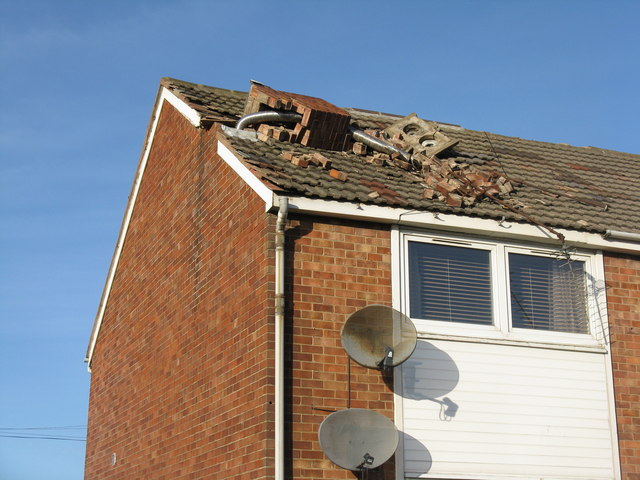
In residential properties, missing shingles, aging flashing, and ice dams can leadLead is a heavy metal that can be toxic to humans, especiall... More to gradual leaks that affect ceilings and attics. In commercial settings, flat membrane roofs often experience deterioration or damage over time, especially around roof penetrations like vents or HVAC units.
What starts as a small drip during heavy rain can turn into major interior damage, especially if it goes unnoticed in seldom-used areas. If you want to learn more about how roof leaks can flood your home and what to do about it, click here to read the full article.
3. Plumbing Failures
Leaks, burst pipes, clogged drains, and failed fittings are among the leading causes of water damage.
In residential buildings, pipe bursts during winter, toilet overflows, or leaking supply lines behind walls are frequent culprits.
In commercial properties, plumbing systems are often larger and more complex. A small leak in an upper-floor unit or mechanical room can drip for days before it’s discovered—damaging multiple levels or expensive equipment.
High water pressure, aging materials, and lack of maintenanceMaintenance is the routine care, inspection, and repair of a... More inspections make plumbing failures a constant risk in all property types.
4. Malfunctioning Appliances
Modern homes and businesses rely on dozens of appliances and fixtures connected to the water supply. Any of them can fail.
- Residential appliances like washing machines, water heaters, refrigerators with ice makers, and dishwashers are common sources of leaks, especially if hoses wear out or connections loosen.
- Commercial buildings may have coffee machines, ice machines, HVAC systems with humidifiers, and other water-connected devices that require regular inspectionInspection is the careful examination and assessment of a pr... More and maintenanceMaintenance is the routine care, inspection, and repair of a... More.
Water can leak slowly for months before damage is visible—often resulting in warped flooring, moldMold is a type of fungus that grows in damp or humid conditi... More growth, or electrical hazards.
5. HVAC System Condensation and Drainage Issues
Heating and cooling systems generate condensation, and if drain lines or pans are blocked or damaged, that moisture has nowhere to go. Over time, it can collect behind walls, under floors, or inside ceiling cavities.
In both homes and commercial facilities, A/C units and ventilationVentilation is the process of exchanging or circulating air ... More systems should be regularly inspected—especially in humid climates.
In larger buildings, rooftop HVAC systems are a common point of failure. Leaks in or around those units can result in ceiling collapses, soaked insulationInsulation is a material used in buildings to reduce the tra... More, and moldMold is a type of fungus that grows in damp or humid conditi... More in ductwork.
6. Clogged Gutters and Drainage Systems
Gutters and downspouts are designed to direct water away from your building. When they’re clogged with leaves, dirt, or ice, water overflows—soaking into the soil around your foundation or seeping into walls and ceilings.
In residential properties, this often leads to basement water intrusion.
In commercial settings—especially buildings with flat roofs—blocked internal drains or scuppers can result in pooling water that eventually finds its way inside.
Poor exterior drainage or landscaping that slopes toward the building can worsen the problem in both cases.
7. Sewer Backups and Sump Pump Failures
A sewer backup can send contaminated black water into your home or business—posing serious health risks and requiring specialized cleanup.
In residential homes, backups often result from tree root intrusion, collapsed pipes, or grease blockages. In commercial settings, backups may be caused by higher volume use, improper disposal of materials, or a sudden influx of stormwater.
Similarly, a failed sump pumpA sump pump is a pump installed in a basement or crawlspace ... More during a storm can leadLead is a heavy metal that can be toxic to humans, especiall... More to major basement floodingFlooding is the overflow or accumulation of water in areas t... More in either a home or business—especially in areas with high water tables or frequent storms.
For detailed guidance on what to do after a flood or sewageSewage is wastewater containing biological and chemical cont... More backup, check out this helpful resource: What to Do After a Flood or Sewage Backup.
8. Foundation Cracks and Structural Damage
When water consistently pools around the base of a structureStructure refers to the framework or components of a buildin... More, it can seep into small foundation cracks or create hydrostatic pressure that forces moisture into lower levels.
In homes, this often shows up as wet basements, musty smells, or moldMold is a type of fungus that grows in damp or humid conditi... More growth along baseboards. In commercial buildings, ground-level offices, storage areas, or utility rooms may see floor and wall damage if cracks allow moisture entry.
If ignored, this type of water damage can compromise the structural integrity of the building over time.
How Climate and Geography Affect Water Damage Risks
Where you live plays a big role in what kind of water damage you might face. Different climates and locations bring different challenges, so it helps to know what’s common in your area.
- Coastal Areas: If you’re near the ocean, you’ve got to watch out for hurricanes, heavy storms, and floodingFlooding is the overflow or accumulation of water in areas t... More. Floodwaters can get inside buildings and cause all kinds of damage—not just to the structureStructure refers to the framework or components of a buildin... More but to electrical systems and anything inside, like equipment or inventory. Saltwater can also cause materials to rustRust is a reddish-brown oxide that forms on iron or steel du... More or break down faster.
- Colder Climates: Places with cold winters have their own problems. Water can get into small cracks, freeze, and then expand, which makes those cracks worse over time. Ice dams on roofs are another issue—when melting snow refreezes at the edges of your roof, it can trap water and cause leaks inside.
- Cities and Urban Areas: In the city, sewer systems and storm drains can get overloaded during heavy rains. If that happens, water (and sometimes sewageSewage is wastewater containing biological and chemical cont... More) can back up into basements or low-lying areas. Plus, with all the concrete and pavement, water doesn’t soak into the ground like it would in nature, which can make floodingFlooding is the overflow or accumulation of water in areas t... More worse if drainage isn’t working well.
- Rural Areas: Out in the country, septic tanks are common, and if they aren’t properly maintained, they can back up or leak. Also, natural drainage might not be great, so water can pool near your foundation and cause leaks or floodingFlooding is the overflow or accumulation of water in areas t... More in basements.
- Seasonal Weather: Some places get heavy rains during certain seasons, while others have dry spells that cause soil to shrink and crack, then let water in when the rains return. Knowing your local weather patterns helps you prepare the right way.
Knowing the specific risks in your area means you can take smarter steps to protect your property—whether that’s improving drainage, checking your roof more often, or getting the right insurance. Not all policies cover things like floodingFlooding is the overflow or accumulation of water in areas t... More or sewer backups, so it’s important to double-check what your coverage includes based on where you live.
How to Prevent Water Damage in Your Home or Business
- Water damage is something no one wants to deal with, but the good news is a lot of it can be avoided with some regular upkeep. Whether you own a house or manage a commercial building, staying on top of a few key things can make all the difference.
- First, check your roof, gutters, and downspouts at least twice a year—once in spring and once in fall—and definitely after any heavy storms. Look for missing shingles, cracks, or places where water might be pooling. Clean out gutters so water flows freely; clogged gutters cause water to spill over and can damage your foundation.
- Appliance hoses are another common source of leaks. Things like washing machines, dishwashers, or water heaters use hoses that can wear out over time. It’s a good idea to replace these every 3 to 5 years before they start leaking unexpectedly.
- Don’t forget about sealing up any cracks around windows, doors, or your foundation. Even small gaps let water sneak in during heavy rains. A good quality sealant or weather stripping can save you headaches later on.
- If you want to be extra careful, consider installing water leak detectors in places like under sinks, near sump pumps, or where your appliances are. These sensors can alert you early if a leak starts, so you can act before water spreads.
- Make sure your HVAC system gets regular maintenanceMaintenance is the routine care, inspection, and repair of a... More too. The condensation it produces has to drain properly, or it can cause hidden damage. Keep those drain lines clear and have the system checked yearly.
- Another big one is the grading around your building. The ground should slope away from the foundation so water doesn’t pool or seep in. If you notice water sitting near your building after rain, it’s time to fix the drainage.
- Finally, know where your water shutoff valves are and test your sump pumpA sump pump is a pump installed in a basement or crawlspace ... More yearly. If a leak or flood happens, shutting off the water quickly can stop things from getting worse. And sump pumps are the last line of defense in many basements, so making sure they work is key.
What to Do When Water Damage Happens
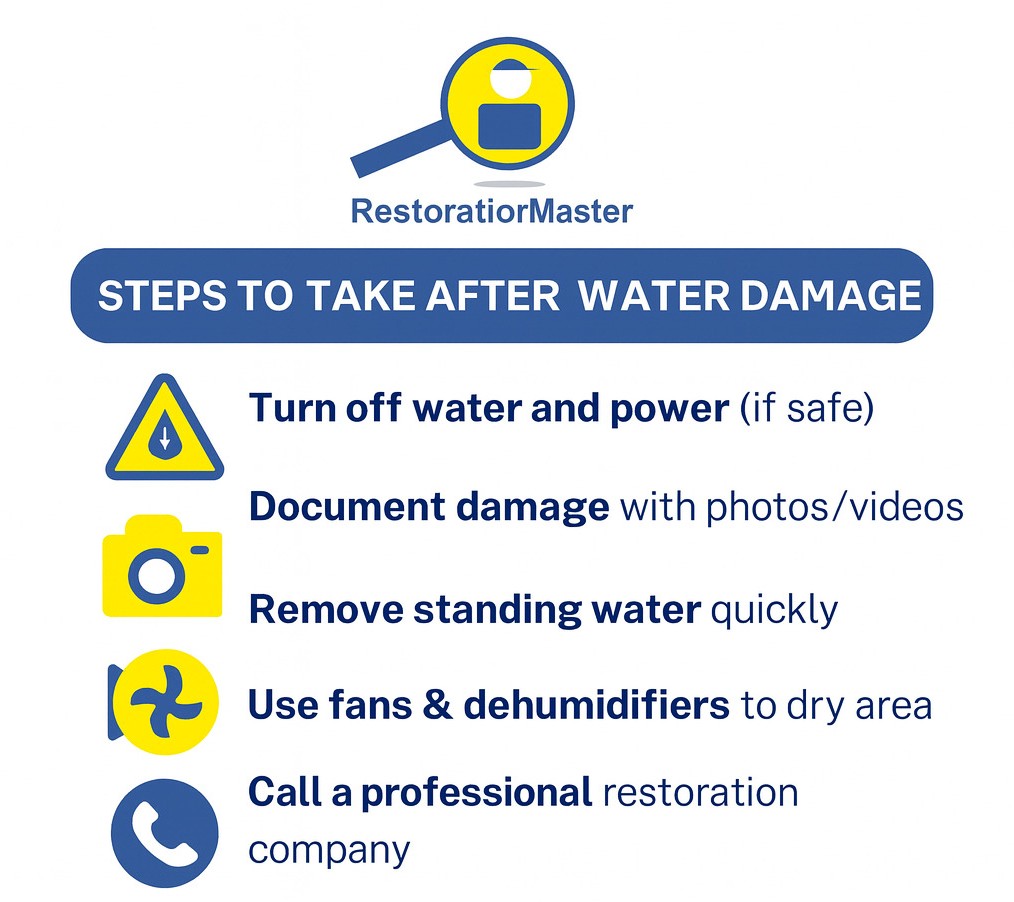
If you discover water damage, acting fast can really limit how bad it gets.
- First, if it’s safe, turn off the water source—like the main valve or a leaking appliance. If there’s any electrical risk, turn off power to the affected areas too.
- Next, take plenty of photos and videos of the damage. This helps with insurance claims later and gives restorationRestoration is the process of returning a property to its pr... More experts a clear picture of what they’re dealing with.
- Try to get rid of any standing water as soon as you can. Use a wet/dry vacuum, mop, or buckets if needed. The less water sitting around, the less chance for moldMold is a type of fungus that grows in damp or humid conditi... More or structural damage.
- Then, get air moving by running fans and dehumidifiers, and open windows if weather allows. DryingDrying is the process of removing moisture from materials, s... More out the area quickly is crucial.
- Finally, call in a professional water damage restoration company. They have the right tools and experience to find hidden damage, dry your property properly, and help you avoid moldMold is a type of fungus that grows in damp or humid conditi... More problems. Plus, they’ll often work with your insurance company to make things easier.
How to Choose the Right Water Damage Restoration Company
Picking the right restoration company can feel like a lot, but it doesn’t have to be complicated if you know what to look for.
First, make sure they offer emergency services around the clock. Water damage can happen anytime, and the faster someone shows up, the less damage you’ll have to deal with.
It’s also important to find out if their technicians are properly certified. Certifications from trusted industry groups mean the team knows the best practices and has the right training to handle your situation.
You’ll want a company that does it all—from extracting the water and dryingDrying is the process of removing moisture from materials, s... More things out to taking care of moldMold is a type of fungus that grows in damp or humid conditi... More issues and any repairs. That way, you won’t have to coordinate multiple contractors or worry about gaps in the process.
A good restorationRestoration is the process of returning a property to its pr... More company will also be familiar with insurance claims and can help you with the paperwork and communication. That can take a huge weight off your shoulders.
And lastly, look for clear communication and fair pricing. Don’t hesitate to ask for references or check out online reviews so you can feel confident you’re hiring someone reliable and trustworthy.
FAQ — Common Questions About Water Damage
What should I watch for if I suspect hidden water damage?
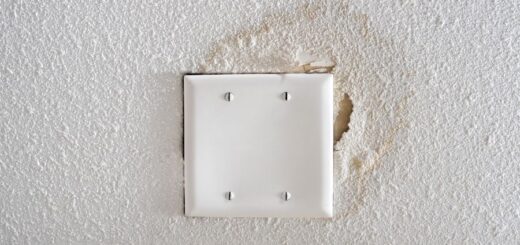
Common signs include musty smells, peeling paint or wallpaper, warped floors or ceilings, water stains, and unexplained allergy symptoms. These often mean moisture is trapped inside walls or floors.
How do restoration experts stop mold after water damage?
RestorationRestoration is the process of returning a property to its pr... More Professionals use powerful dryingDrying is the process of removing moisture from materials, s... More equipment to remove moisture fast, apply antimicrobial treatments to stop moldMold is a type of fungus that grows in damp or humid conditi... More from growing, and remove any materials that can’t be saved, like soaked drywall or insulationInsulation is a material used in buildings to reduce the tra... More.
Does homeowners insurance cover water damage?
Coverage varies widely by policy and insurer, but generally:
Covered: Sudden and accidental water damage events like burst pipes, accidental overflows from appliances, or storm damage are usually covered under standard homeowner’s insuranceHomeowner’s insurance is a policy that provides financial ... More.
Not covered: Damage resulting from gradual leaks due to poor maintenanceMaintenance is the routine care, inspection, and repair of a... More or neglect is typically excluded. FloodingFlooding is the overflow or accumulation of water in areas t... More caused by external water sources (rivers, flash floods, storm surge) is almost always excluded and requires separate flood insurance. Sewer backups are also often excluded unless a specific rider or endorsement is purchased.
Because water damage claims can be complex, it’s essential to review your insurance policy carefully and discuss with your agent whether you have adequate protection, including optional coverages for floodingFlooding is the overflow or accumulation of water in areas t... More or sewer backup where needed.
nbsp;

About Vince Sandri
Vince Sandri is a content writer and blogger with more than 12 years of experience. His expertise is in creating content related to disaster restorationRestoration is the process of returning a property to its pr... More, including information about preventing and reacting to natural disasters like floodingFlooding is the overflow or accumulation of water in areas t... More, water damage, fire and smoke damage, moldMold is a type of fungus that grows in damp or humid conditi... More growth, storm damage and more.
Vince has been the main contributor to RestorationMasterFinder.com since 2014. Over that time, he has written numerous service pages and blogs for disaster restorationRestoration is the process of returning a property to its pr... More providers featured on RestorationMasterFinder.com. Vince has done extensive research and covered a wide range of topics relating to disaster restorationRestoration is the process of returning a property to its pr... More to help homeowners, business owners, and property managers better protect their property. He understands the problems that disasters like floodingFlooding is the overflow or accumulation of water in areas t... More, fire, smoke, and moldMold is a type of fungus that grows in damp or humid conditi... More can cause as well as the best ways to respond to these issues to limit the damage.
Vince completed his Bachelor of Arts degree at Aurora University and his master’s degree at DePaul University. He has been writing SEO website pages, blogs, and press releases since 2012. Vince is also a musician and can be seen playing in the Chicago, IL area.