




OSHA / EPA Regulations in the Restoration Industry: Compliance, Safety, and Best Practices
In the restoration industry, compliance with OSHA (Occupational Safety and Health Administration) and EPA (Environmental Protection Agency) regulations is not optional; it is critical for worker safety, environmental protection, and legal liability management. From water damage and mold remediation to fire restoration and hazardous material handling, restoration companies must navigate a complex regulatory landscape.
Understanding OSHA and EPA requirements ensures restoration professionals can mitigate risks, protect workers, and maintain client trust. This guide provides an expert overview of the regulations, compliance frameworks, practical examples, and key decision-making considerations for restoration businesses.
OSHA Regulations in Restoration
OSHA is responsible for enforcing workplace safety standards across all U.S. industries. For restoration companies, OSHA regulations focus on hazardous materials, worker protection, and safe practices during cleanup or reconstruction.
Key OSHA standards relevant to restoration include:
- 29 CFR 1910.120: Hazardous Waste Operations and Emergency Response (HAZWOPER)
- 29 CFR 1910.134: Respiratory Protection
- 29 CFR 1926: Safety and Health Regulations for Construction (for large-scale restoration projects)
- 29 CFR 1910.1030: Bloodborne Pathogens Standard (when dealing with sewage, medical waste, or biohazards)
HAZWOPER Compliance
The HAZWOPER standard requires:
- Employee training (24, 40, or 8-hour courses depending on exposure level)
- Site safety plans
- Use of personal protective equipment (PPE)
- Decontamination procedures
Example: A commercial building flooded with sewage requires a HAZWOPER-trained crew using Level C PPE (coveralls, gloves, respirators) to prevent exposure to pathogens and toxic chemicals.
Respiratory Protection
Many restoration tasks generate airborne hazards: mold spores, asbestos fibers, or chemical vapors. OSHA requires:
- Proper respirator selection (N95, half-mask, or full-face)
- Fit testing and training
- Respirator maintenance logs
Data point: According to OSHA, respiratory protection reduces occupational exposure to airborne contaminants by up to 95% when properly used.
OSHA Inspections and Penalties
Non-compliance can result in:
- Fines ranging from $14,000 to $150,000 per violation, depending on severity
- Stop-work orders on projects
- Increased insurance premiums and liability exposure
| Scenario | Required Action | OSHA Standard |
|---|---|---|
| Mold remediation in a residential home | PPE, respirators, HAZWOPER awareness | 29 CFR 1910.134, 1910.120 |
| Water extraction from a chemical spill | Full PPE, training, and decontamination | 29 CFR 1910.120 |
| Fire damage cleanup | PPE, respiratory protection, confined space training | 29 CFR 1910.134, 1926 |
EPA Regulations in Restoration
The EPA protects human health and the environment.
Restoration companies encounter EPA regulations when handling:
- Hazardous waste
- Asbestos and lead-based paint
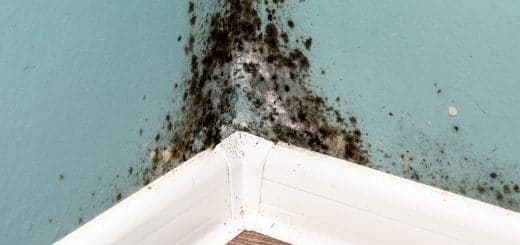
- Mold and indoor air quality issues
Hazardous Waste Management
Under the Resource Conservation and Recovery Act (RCRA), restoration companies must:
- Properly label and store hazardous materials
- Transport waste using EPA-compliant methods
- Maintain records of disposal
Example: During chemical spill cleanup, EPA guidelines dictate that contaminated absorbents are treated as hazardous waste and transported to certified disposal facilities.
Lead and Asbestos Abatement
EPA regulations under TSCA (Toxic Substances Control Act) require:
- Lead-based paint testing before renovations
- Asbestos removal using licensed professionals
- Air monitoring and containment during abatement
Case Study: A 1960s residential property in Illinois required asbestos abatement before water restoration. EPA-mandated procedures reduced airborne asbestos fiber counts from 0.2 f/cc to 0.01 f/cc, protecting both workers and residents.
Mold and Indoor Air Quality
While the EPA does not have enforceable standards for mold, it provides guidelines for safe remediation:
- Isolate contaminated areas
- Use HEPA filtration and negative air pressure
- Remove contaminated materials promptly
Following EPA guidance improves indoor air quality and liability protection, reducing potential insurance claims.
Integrating OSHA and EPA Compliance into Restoration Operations
| Area | OSHA Requirement | EPA Requirement | Notes |
|---|---|---|---|
| Worker Safety | PPE, respiratory protection, HAZWOPER | Training on handling hazardous substances | Always train before site entry |
| Waste Disposal | N/A | RCRA, hazardous waste labeling | Maintain manifests for all shipments |
| Asbestos / Lead | OSHA hazard communication | TSCA licensing and abatement | Requires certified contractors |
| Mold Remediation | Respiratory protection, containment | EPA guidelines | Voluntary compliance recommended |
Decision Framework for Restoration Companies
- Assess Hazards: Identify chemical, biological, or structural risks.
- Train Staff: OSHA and EPA compliance training must match exposure risk.
- Plan Site: Prepare PPE, containment, and decontamination zones.
- Execute Safely: Follow OSHA/EPA protocols step by step.
- Document Everything: Records protect against fines, litigation, and insurance disputes.
Data & Examples Supporting Compliance
- OSHA reports show that properly trained crews experience 50% fewer accidents on hazardous restoration sites.
- EPA studies indicate improper asbestos or lead handling can result in $10,000–$50,000 in fines per incident.
- Insurance providers increasingly require documented OSHA/EPA compliance for claims coverage.
Conclusion
Compliance with OSHA and EPA regulations is fundamental for any restoration company aiming to operate safely, legally, and professionally. By implementing structured training, proper documentation, and adherence to best practices, restoration businesses can reduce risk, protect employees, and strengthen client trust.
RestorationMasterFinder’s expert resources guide companies through these regulations, helping them stay informed, prepared, and positioned as industry leaders.
Frequently Asked Questions (FAQs)
Do all restoration workers need HAZWOPER training?
Only those exposed to hazardous substances above minimal levels. A 24-hour awareness course is often sufficient for light exposure.
Is EPA compliance required for residential water damage?
Not always, but following EPA guidelines reduces liability and protects indoor air quality.
What PPE is required for mold remediation?
OSHA recommends at minimum: N95 respirator, gloves, and disposable coveralls. High-level contamination may require full-face respirators.
Can OSHA/EPA fines be avoided?
Yes, through proactive training, documented safety plans, and adherence to regulatory protocols.
How often should compliance training be updated?
OSHA recommends annual refreshers, while EPA guidelines are updated periodically—companies should track changes regularly.

About Vince Sandri
Vince Sandri is a content writer and blogger with more than 12 years of experience. His expertise is in creating content related to disaster restoration, including information about preventing and reacting to natural disasters like flooding, water damage, fire and smoke damage, mold growth, storm damage and more.
Vince has been the main contributor to RestorationMasterFinder.com since 2014. Over that time, he has written numerous service pages and blogs for disaster restoration providers featured on RestorationMasterFinder.com. Vince has done extensive research and covered a wide range of topics relating to disaster restoration to help homeowners, business owners, and property managers better protect their property. He understands the problems that disasters like flooding, fire, smoke, and mold can cause as well as the best ways to respond to these issues to limit the damage.
Vince completed his Bachelor of Arts degree at Aurora University and his master’s degree at DePaul University. He has been writing SEO website pages, blogs, and press releases since 2012. Vince is also a musician and can be seen playing in the Chicago, IL area.