






What Can Cause Sewage Odors in My House?

If you notice a sewageSewage is wastewater containing biological and chemical cont... More odorAn odor is a smell, often detectable by the human nose, whic... More in your home, it’s important to address it right away. Ignoring that unpleasant smell can leadLead is a heavy metal that can be toxic to humans, especiall... More to more expensive and complicated plumbing issues. A septic-like smell in your bathroom, kitchen, or laundry room could be a sign of a larger underlying problem such as a sewageSewage is wastewater containing biological and chemical cont... More backup, clogged drain line, or broken vent pipe.
In some cases, it may be something as simple as a dried-out P-trap in an unused sink or shower — just running water can often fix this. But if the smell persists or seems to be spreading, especially near drains or in the basement, it may indicate a deeper issue in your plumbing or drainage system that requires professional attention.
In this article, we’ll cover:
- The causes of sewer smells in a home
- What sewer gas smells like
- Common sources of the odorAn odor is a smell, often detectable by the human nose, whic... More
- How to remove lingering smells once the problem is fixed
Taking early action is not just about comfort — it’s about protecting your home and your health.
What Can Cause a Sewer Smell in My Home?
A sewer smell inside your home is more than just unpleasant. Sewer gas is a mix of toxic and flammable gases — most notably methane and hydrogen sulfide. Methane can be explosive in high concentrations, and hydrogen sulfide is responsible for the “rotten egg” smell many people report when dealing with sewageSewage is wastewater containing biological and chemical cont... More odors.
Extended exposure to these gases — even at low levels — can cause symptoms like:
- Nausea or dizziness
- Eye, nose, or throat irritation
- Headaches or fatigue
- In extreme cases, loss of coordination or unconsciousness
If you’re detecting a strong sewageSewage is wastewater containing biological and chemical cont... More odorAn odor is a smell, often detectable by the human nose, whic... More in the house, it’s essential to trace the smell quickly and identify the source before it escalates.
What Does Sewer Gas Smell Like?
Sewer gas typically smells like rotten eggs, due to the presence of hydrogen sulfide, which forms when organic matter (such as human waste) breaks down in the absence of oxygenOxygen is a chemical element essential for combustion and li... More. Some people may also notice a musty, stale, or even slightly metallic scent, depending on the mix of gases and the source of the leak.
This distinct smell can help you narrow down the source — whether it’s isolated to a bathroom drain, the basement, or near an appliance like a washing machine.
Common Sources of Sewer Odors in Your Home
Pinpointing the exact source of the smell is the first step. Below are the most common areas where sewer odors may originate in a home:

1. Shower Drain
If your shower smells like sewageSewage is wastewater containing biological and chemical cont... More, this could be due to a buildup of hair, soap scum, and bacteria (biofilm) in the pipes. A clogged or poorly sealed P-trap, or a venting problem in your drain line, can also allow gas to rise up through the drain.
Tip: A temporary fix is to flush the drain with hot water and baking soda. But if the smell returns frequently, you may need a plumber to inspect the P-trap or venting system.
2. Toilet
Toilets are designed to block sewer gas using water in the bowl and a wax ring seal at the base. If either of these components fails, the seal is broken and sewer odors can escape into the bathroom.
Check for:
- A loose or broken toilet base seal
- A cracked toilet bowl
- A malfunctioning vent pipe
Sometimes, what seems like a minor smell is actually a sign of a sewer line blockage or a ventilationVentilation is the process of exchanging or circulating air ... More problem behind the walls.
Read More: Why Does My Toilet Smell Like Sewage?
3. Bathroom or Kitchen Sink
Odors from the sink can stem from a few different sources. A dry or cracked P-trap can allow gas to come back up the pipe. If you detect a sulfur or egg-like smell in your bathroom sink, also check the overflow hole — it can collect grime and bacteria, leading to unpleasant odors.
If the smell is strongest in the kitchen, especially near the garbage disposal, food waste buildup could be the culprit. Regular deep cleaning and running the disposal with citrus peels and ice can help.
4. Washing Machine or Laundry Room
If your laundry room smells like sewageSewage is wastewater containing biological and chemical cont... More, your washing machine drain may be to blame. Common issues include:
- Improperly installed drain hoses
- Clogged standpipes
- Dry traps or venting issues
These problems can cause sewer gas to back up into the laundry area. In older homes, a lack of proper venting may also leadLead is a heavy metal that can be toxic to humans, especiall... More to pressure imbalances that force gases back up through drains.
5. Tap Water or Hot Water Heater
A sulfur smell from your tap water may be linked to your water heater. When sulfur-reducing bacteria react with the magnesium anode rod inside the heater, hydrogen sulfide is produced. This causes the “rotten egg” smell in your hot water.
This isn’t a sewer issue, but it’s often mistaken for one. If only your hot water smells and your cold water doesn’t, the issue is likely inside the water heater tank.
6. Yard or Basement Areas
A sewageSewage is wastewater containing biological and chemical cont... More smell in the basement or around the yard could mean a damaged or missing cleanout cap. The cleanout provides access to your main sewer line, and without a secure plug, sewer gas can escape — especially during changes in pressure or temperature.
Wet soil, visible leakage, or bubbling around outdoor drains may indicate a broken pipe underground, especially if the smell worsens after it rains or when water is run in the home.
How to Remove Sewer Odor After Fixing the Source
Once the plumbing issue is resolved, lingering odors may remain — especially if they’ve seeped into porousPorous describes a material that contains small openings or ... More materials like carpet, fabric, or drywall. Here’s how to clear them out for good:
1. Air Out the Space
Open as many windows as possible and let air circulate through your home. Place fans near problem areas to push the remaining gases outside. You can also use bowls of activated charcoal or baking soda to absorb any lingering odors from the air.
2. Deodorize Carpets and Rugs
Sprinkle baking soda generously over affected carpeted areas and let it sit overnight. This helps neutralize deep-set odors. The next day, vacuum thoroughly. Repeat as needed until the smell disappears.
3. Clean Fabric Surfaces
Wash any removable items — like throw pillows, blankets, and curtains — in hot water with vinegar or baking soda. For upholstery that can’t be machine-washed, mist it lightly with a mix of white vinegar and water using a spray bottle. Let it air dry completely.
These natural methods are especially useful for removing sewer smells after a backup or leak.
Professional Sewage Cleanup and Odor Removal
Sewer odors in your home are more than just an inconvenience, they can pose real health and safety risks if left unresolved. By promptly identifying the source of the smell, whether it’s a dry P-trap, clogged drain, or broken vent pipe, and taking the right steps to remove lingering odors, you can keep your home fresh, safe, and comfortable. Don’t wait until a minor issue becomes a major problem, act quickly to protect your living space and your family’s well-being.
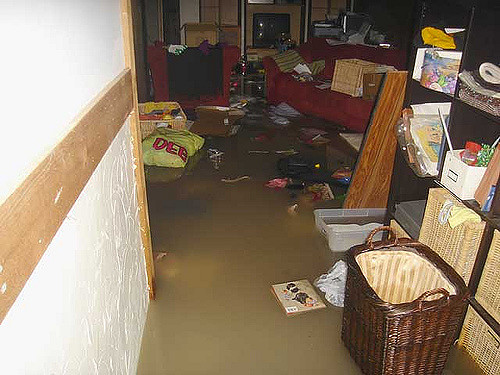
The presence of sewageSewage is wastewater containing biological and chemical cont... More odors is frustrating, and they are difficult to eliminate because odors get absorbed into porousPorous describes a material that contains small openings or ... More materials. The best way to ensure the removal of sewageSewage is wastewater containing biological and chemical cont... More odors is to call a professional that provides odor removal services. These professionals use advanced deodorization methods to neutralize the odorAn odor is a smell, often detectable by the human nose, whic... More particles and ensure that your home is odorAn odor is a smell, often detectable by the human nose, whic... More free. If the odorAn odor is a smell, often detectable by the human nose, whic... More is caused by a sewageSewage is wastewater containing biological and chemical cont... More backup in your home, you will also need the help of a water damage restorationWater damage restoration is the professional process of clea... More professional to remove the sewageSewage is wastewater containing biological and chemical cont... More water and clean up the damage.
Frequently Asked Questions
Can seasonal weather changes cause sewer smells to appear?
Yes. Temperature shifts, pressure changes, or heavy rain can affect plumbing vents or cause excess moisture in the soil, which may disturb your sewer line or affect your home's ability to vent gases properly. Winter can dry out unused drains, and summer storms can stress exterior systems.
Are certain types of homes more likely to have sewer odor issues?
Yes. Older homes may have outdated or corroded pipes, failing vent systems, or degraded seals that are more prone to leaks. Homes with finished basements, infrequently used bathrooms, or improper DIY plumbing alterations are also at higher risk.
How long does it take to get rid of sewer odors after fixing the problem?
If the source has been properly identified and repaired, most odors should dissipate within a few hours to a few days. However, porousPorous describes a material that contains small openings or ... More materials like carpet or drywall may retain the smell longer and require deodorization or replacement.

About Vince Sandri
Vince Sandri is a content writer and blogger with more than 12 years of experience. His expertise is in creating content related to disaster restorationRestoration is the process of returning a property to its pr... More, including information about preventing and reacting to natural disasters like floodingFlooding is the overflow or accumulation of water in areas t... More, water damage, fire and smoke damage, moldMold is a type of fungus that grows in damp or humid conditi... More growth, storm damage and more.
Vince has been the main contributor to RestorationMasterFinder.com since 2014. Over that time, he has written numerous service pages and blogs for disaster restorationRestoration is the process of returning a property to its pr... More providers featured on RestorationMasterFinder.com. Vince has done extensive research and covered a wide range of topics relating to disaster restorationRestoration is the process of returning a property to its pr... More to help homeowners, business owners, and property managers better protect their property. He understands the problems that disasters like floodingFlooding is the overflow or accumulation of water in areas t... More, fire, smoke, and moldMold is a type of fungus that grows in damp or humid conditi... More can cause as well as the best ways to respond to these issues to limit the damage.
Vince completed his Bachelor of Arts degree at Aurora University and his master’s degree at DePaul University. He has been writing SEO website pages, blogs, and press releases since 2012. Vince is also a musician and can be seen playing in the Chicago, IL area.