




Top Reasons Water Damage Claims are Denied
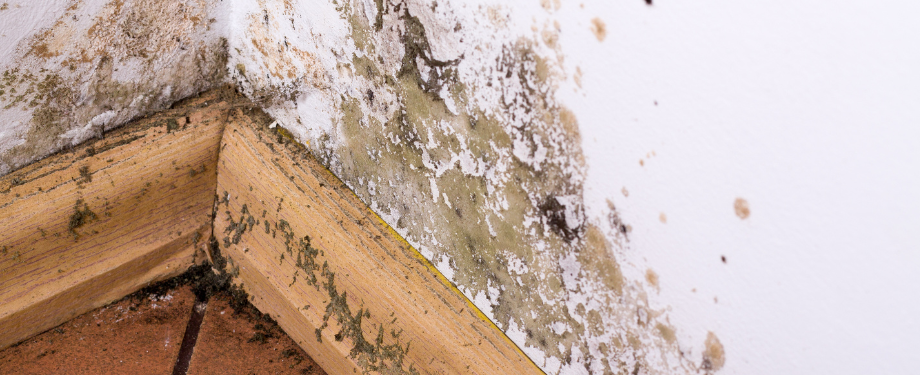
Water damage can be a costly and time-consuming issue for homeowners and insurance companies alike. Instances of water damage can cause thousands of dollars in destruction and leadLead is a heavy metal that can be toxic to humans, especiall... More to serious health problems if not treated promptly. Insurance companies promise to cover water damage-related issues, but unfortunately, not all claims are covered. In fact, many claims are denied for various reasons, leaving homeowners feeling frustrated and helpless.
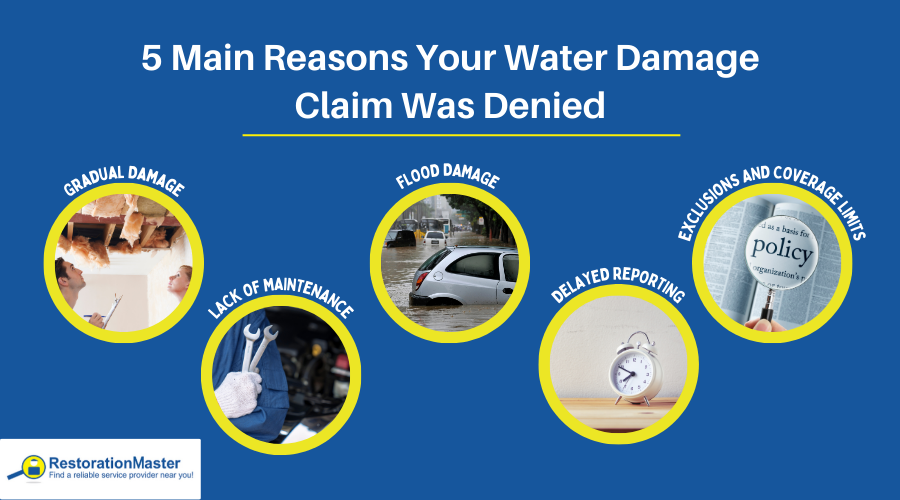
5 Common Reasons Water Damage Claims Are Denied
Water damage claims often fail due to misunderstandings, delays, or preventable mistakes. Here’s what homeowners need to know:
1. Gradual Damage – “I didn’t even notice the leak…”
Some of the most damaging water problems start quietly. A slow leak from a pipe, dripping faucet, or small roof leak might seem harmless at first. Over time, however, this minor issue can seep into insulationInsulation is a material used in buildings to reduce the tra... More, flooring, and walls, creating hidden damage that is far more costly than the initial leak.
Why insurance often denies these claims:
Most homeowners insurance policies exclude gradual damage, because insurers expect homeowners to detect and fix small problems before they escalate.
Real-Life Examples from the Field
A homeowner in Los Angeles, California noticed a small water stain on their ceiling but ignored it. Weeks later, part of the drywall collapsed due to water damage. The insurance claim was denied because the damage developed over time and could have been prevented with timely action.
Tips to Catch Water Damage Early
- Keep an eye on trouble spots: Check under sinks, behind your appliances, in basements, and along ceilings regularly. Even a small drip or discoloration can be an early warning sign.
- TrustRust is a reddish-brown oxide that forms on iron or steel du... More your instincts: If you notice a strange stain, bubbling paint, or a musty smell, don’t ignore it. These little signals are often your home’s way of asking for help.
- Call in the experts when needed: Even minor moisture issues can turn into big problems over time. If something seems off, reach out to a professional restorationRestoration is the process of returning a property to its pr... More team. Acting early can save you stress, money, and headaches down the road.
2. Lack of Maintenance – Oversight Can Cost Thousands
It is the responsibility of homeowners to take care of their property and protect both their home and belongings. Insurance companies look at this closely when reviewing claims, and they can deny a water damage claim if it seems the damage could have been prevented with proper maintenanceMaintenance is the routine care, inspection, and repair of a... More. For example, if gutters are left full of leaves and water spills into the house, causing damage, the claim may be rejected because it could have been avoided. Staying on top of regular maintenanceMaintenance is the routine care, inspection, and repair of a... More, from checking pipes and gutters to inspecting the roof and seals, not only prevents problems from getting worse but also makes it much easier to get your insurance claim approved if something goes wrong.
Common scenarios we see on the job include
- Gutters full of leaves and debris that overflow and cause foundation or basement leaks.
- Roof shingles that are cracked, warped, or missing, allowing water to sneak in during a storm.
- Older pipes or appliances that fail unexpectedly, sometimes in parts of the home that are not often used.
Practical guidance for homeowners
- Make seasonal maintenanceMaintenance is the routine care, inspection, and repair of a... More a habit. Clean gutters, inspect the roof, seal cracks, and check your pipes at least a few times a year.
- Keep a simple record of everything you do. Snap photos, note the date of inspections, and keep receipts. This helps you stay organized and can be invaluable if you ever file a claim.
- Bring in a professional for inspections when needed. Plumbers, roofing specialists, and drainage experts can catch small issues before they become expensive disasters.
3. Flood Damage
Flood damage is a common source of denied claims. Many homeowners assume their standard insurance covers floodingFlooding is the overflow or accumulation of water in areas t... More from storms, overflowing rivers, or heavy rainfall. But it doesn’t. Flood insurance is a separate policy and often overlooked.
Tips for homeowners:
- Check if your home is in a flood-prone area.
- Purchase flood insurance if needed.
- Create an emergency plan for storm or flood events, including safe storage for valuables.
4. Delayed Reporting
It is very important for homeowners to report water damage as soon as it occurs. Insurance policies have specific timelines for reporting claims, and failing to meet them can affect the outcome of your claim. Reporting late can give the impression that the damage could have been prevented or that the extent of the damage has been exaggerated. This can result in a reduced payout or even a denied claim, creating unnecessary financial stress. By notifying your insurance company promptly, documenting the damage carefully, and acting quickly, you increase the chances of a smooth claims process and a fair resolution.
5. Policy Exclusions and Coverage Limits – Know Your Policy
It is the responsibility of homeowners to understand the details of their insurance policies. Every policy has exclusions and coverage limits, and these can have a big impact when water damage occurs. Some policies may exclude damage caused by natural disasters such as floods, hurricanes, or earthquakes. Others may limit coverage for mold remediationMold remediation is the process of identifying, removing, an... More, roof leaks, or damage from sewer backups. Assuming that everything is covered can leadLead is a heavy metal that can be toxic to humans, especiall... More to unexpected surprises when filing a claim.
Common examples we see in the field
- A homeowner files a claim for water damage caused by a sudden roof leak. The policy only covers sudden and accidental damage, but not damage caused by long-term wear and tear, leaving part of the repairRepair is the act of fixing or restoring damaged property, m... More out-of-pocket.
- MoldMold is a type of fungus that grows in damp or humid conditi... More appears months after a small leak went unnoticed. Some policies cover moldMold is a type of fungus that grows in damp or humid conditi... More only if it is caused by sudden water damage, which can leave homeowners responsible for expensive remediation costs.
- FloodingFlooding is the overflow or accumulation of water in areas t... More from a heavy storm is assumed to be covered, but without a separate flood insurance policy, the claim is denied.
Practical tips for homeowners
- Take the time to review your insurance policy thoroughly. Understand what is included and, equally important, what is excluded.
- Talk directly with your insurance agent about common scenarios such as burst pipes, roof leaks, moldMold is a type of fungus that grows in damp or humid conditi... More growth, storm damage, and floodingFlooding is the overflow or accumulation of water in areas t... More. Ask for clarification until you are confident in your understanding.
- Keep a copy of your policy in an accessible place. In the event of an emergency, having your policy at hand makes filing a claim faster and reduces confusion.
- Document your home’s condition with photos and records. Keeping a detailed inventory and maintenanceMaintenance is the routine care, inspection, and repair of a... More log can help support your claim if damage occurs.
How to Strengthen Your Water Damage Insurance Claim
Water damage is stressful, but how you handle it in the first hours and days can make a huge difference in your insurance claim. Here’s what we’ve seen work best for homeowners, based on years of experience restoring homes:
Act fast to minimize damage
The moment you spot a leak or floodingFlooding is the overflow or accumulation of water in areas t... More, take action. Shut off the water, remove any standing water, and start dryingDrying is the process of removing moisture from materials, s... More affected areas. Quick action not only limits the damage but also shows your insurer that you are responsible and proactive.
Document everything clearly
Photos, videos, and receipts are your best allies. Capture every affected area, before and after cleanup, and keep records of any services you hire. These details build a strong case and make it easier for your insurer to understand the scope of the damage.
Bring in certified professionals
Restoration companies with proper licenses and certifications are more than just helpers—they are proof that the work was handled professionally. They can assess the damage accurately, prevent further problems, and provide detailed reports that strengthen your claim.
Communicate openly and honestly
Keep your insurance company in the loop. Provide clear, honest updates, and don’t leave gaps in the story. Transparency helps prevent delays and misunderstandings.
Consider expert guidance for larger claims
If your claim is complex or disputed, a public adjuster or insurance attorney can be invaluable. They know the system, can advocate on your behalf, and help make sure you receive the compensation you deserve.
Typical Water Damage Claims: What Insurers Approve and Deny
| Type of Water Damage | Average Mitigation Cost | Likely Insurance Outcome | Notes |
|---|---|---|---|
| Small leak under sink | $300 – $600 | Usually approved if sudden and documented | Claims often accepted if leak was unexpected and homeowner acted quickly |
| Burst pipe in bathroom | $1,000 – $2,500 | Typically approved if accidental | Late reporting or lack of maintenanceMaintenance is the routine care, inspection, and repair of a... More may leadLead is a heavy metal that can be toxic to humans, especiall... More to partial denial |
| Basement floodingFlooding is the overflow or accumulation of water in areas t... More | $2,000 – $5,000 | Often denied without flood insurance | Standard homeowner policies usually exclude natural floodingFlooding is the overflow or accumulation of water in areas t... More |
| Roof leak damage | $800 – $2,000 | Can be denied if caused by wear and tear | Insurers may reject claims if roof maintenanceMaintenance is the routine care, inspection, and repair of a... More was neglected |
| SewageSewage is wastewater containing biological and chemical cont... More backup | $1,500 – $4,000 | Approved if coverage included | Most policies require a specific rider for sewer or drain backups |
Find a Trusted Restoration Professional Near You
Do not wait for water damage to get worse. At RestorationMaster, we connect you with local certified restoration experts who handle every step of the process. They manage mitigation, repairs, and work directly with your insurance provider.
No matter the type of damage, whether it is a burst pipe, floodingFlooding is the overflow or accumulation of water in areas t... More, roof leak, or moldMold is a type of fungus that grows in damp or humid conditi... More, our trusted professionals are here to help you restore your home quickly and efficiently.
Take the first step today
- Locate a certified restoration contractor in your area
- Get professional advice on mitigating damage
- Ensure your insurance claim is handled properly
Related Frequently Asked Questions:
How to Maximize Your Water Damage Insurance Claim?
- MitigateTo mitigate is to reduce or limit the severity of damage, ri... More the Damage
- Gather Critical Evidence
- Report the Damage Immediately
- Inform the Insurer of the Type of Damage
- Work with a Public Water Claims Adjuster
- Hire an Insurance Claims Attorney
- Use Trustworthy Vendors
Learn more about how you can maximize recovery on a water damaged claim.
Does Flood Insurance Cover Burst Pipes?
In short, flood insurance doesn’t cover damage caused by burst pipes. It’s designed to protect against damage from natural floodingFlooding is the overflow or accumulation of water in areas t... More events such as heavy rain, storm surges, or overflowing rivers. Be sure to review your policy to understand what is actually covered.
Read more to learn about what flood insurance cover and does not cover.
Does Renter’s Insurance Cover Water Damage?
Renter’s insurance typically covers water damage from accidental overflow or water discharge. However, most policies don’t include coverage for flood or sewageSewage is wastewater containing biological and chemical cont... More water damage unless you’ve added specific coverage to your standard policy. Learn more on Exclusions to Renters Insurance.

About Vince Sandri
Vince Sandri is a content writer and blogger with more than 12 years of experience. His expertise is in creating content related to disaster restorationRestoration is the process of returning a property to its pr... More, including information about preventing and reacting to natural disasters like floodingFlooding is the overflow or accumulation of water in areas t... More, water damage, fire and smoke damage, moldMold is a type of fungus that grows in damp or humid conditi... More growth, storm damage and more.
Vince has been the main contributor to RestorationMasterFinder.com since 2014. Over that time, he has written numerous service pages and blogs for disaster restorationRestoration is the process of returning a property to its pr... More providers featured on RestorationMasterFinder.com. Vince has done extensive research and covered a wide range of topics relating to disaster restorationRestoration is the process of returning a property to its pr... More to help homeowners, business owners, and property managers better protect their property. He understands the problems that disasters like floodingFlooding is the overflow or accumulation of water in areas t... More, fire, smoke, and moldMold is a type of fungus that grows in damp or humid conditi... More can cause as well as the best ways to respond to these issues to limit the damage.
Vince completed his Bachelor of Arts degree at Aurora University and his master’s degree at DePaul University. He has been writing SEO website pages, blogs, and press releases since 2012. Vince is also a musician and can be seen playing in the Chicago, IL area.