




What is Soot and Why Is it Dangerous?
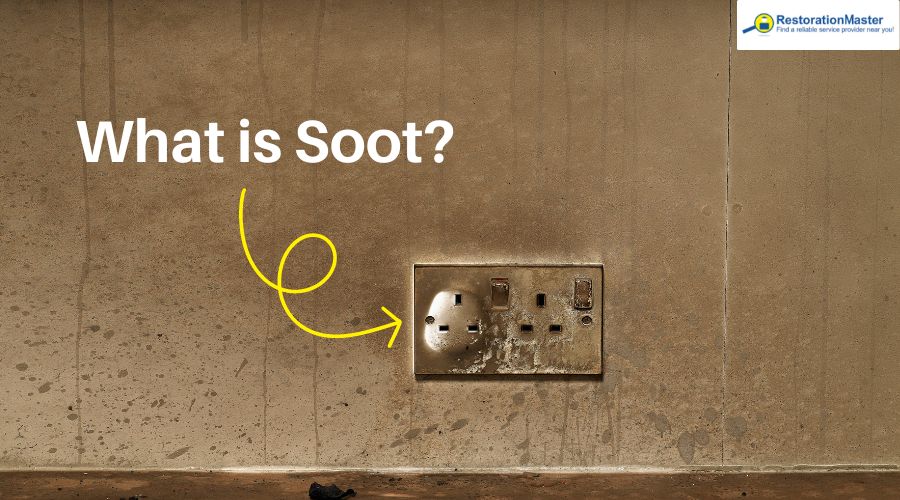
What is Soot?
Fine, black particles known as sootSoot is fine black particles composed of carbon and other ma... More accumulate where a fire has blazed. Any combustion source can yield sootSoot is fine black particles composed of carbon and other ma... More. When organic, carbon-filled materials burn, some of it burns incompletely. The result of the incomplete burning of such materials, like wood, plastic, coal, and oils, is sootSoot is fine black particles composed of carbon and other ma... More.
SootSoot is fine black particles composed of carbon and other ma... More contains innumerable toxic chemical compounds, like arsenic, chromium, and cadmium. The black and brownish powder is also composed of various elements, including sulfur dioxide, methane, formaldehyde, and carbon monoxide.
Tinier than sand granules, sootSoot is fine black particles composed of carbon and other ma... More particles are also, in comparison, just one-third of the diameter of a single human hair. Even dust particles are larger that sootSoot is fine black particles composed of carbon and other ma... More particles. Given the extremely minute size of sootSoot is fine black particles composed of carbon and other ma... More particles, dangers lurk, especially when humans are exposed to sootSoot is fine black particles composed of carbon and other ma... More.
Where Soot is Most Common?
Chimney sweeps are most at risk of conditions caused by exposure to sootSoot is fine black particles composed of carbon and other ma... More. Other areas that have frequent contact with sootSoot is fine black particles composed of carbon and other ma... More include brick masons, heating service personnel and even horticulturalists. Anyone who works in an environment where organic matter is burned is exposed to sootSoot is fine black particles composed of carbon and other ma... More.
Why Soot is Dangerous?
Although the aforementioned occupations are most exposed to sootSoot is fine black particles composed of carbon and other ma... More, typical homeowners are also likely to come into contact with this toxic element. SootSoot is fine black particles composed of carbon and other ma... More is frequently found in areas inhabited by humans, like household fireplaces, basement furnaces, and engine exhaust. The miniscule nature of sootSoot is fine black particles composed of carbon and other ma... More particles makes health hazards a likelihood.
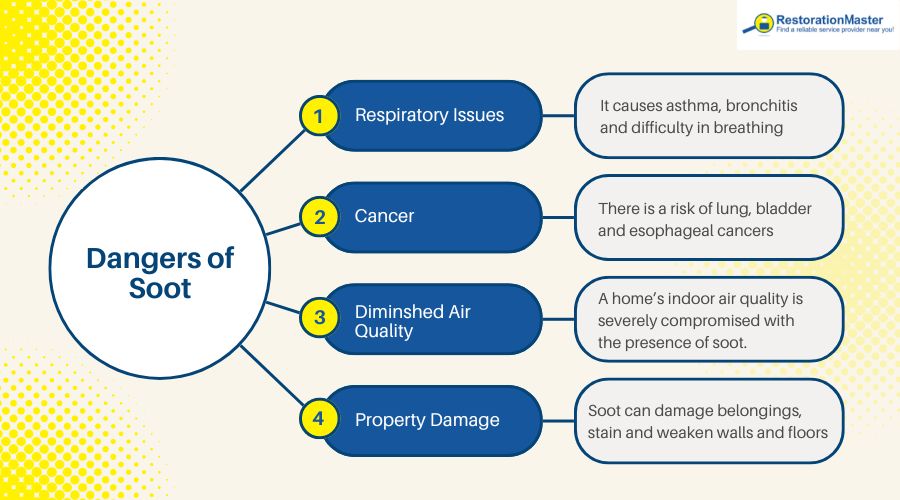
Below includes a list of effects caused by soot:
- Respiratory problems
- Cancer
- Premature deaths
- Decreased air quality
- Property damage
- High cost of cleanup
1. Respiratory Problems
The presence of sootSoot is fine black particles composed of carbon and other ma... More in a home leads to respiratory conditions. A home’s occupants are likely to breathe in the tiny sootSoot is fine black particles composed of carbon and other ma... More particles that are eventually embedded deep into the lung cavities. The prolonged exposure to sootSoot is fine black particles composed of carbon and other ma... More unleashes a host of breathing problems, including asthma. Bronchitis is also a likely consequence. Respiratory infections are no stranger to those frequently exposed to sootSoot is fine black particles composed of carbon and other ma... More.
2. Cancers
Records since the 18th century indicate a higher presence of skin cancer among chimney sweeps. Studies done since then have also discovered the predominant risk of lung, bladder and esophageal cancers in chimney sweeps as opposed to other areas.
3. Premature Deaths
Breathing in sootSoot is fine black particles composed of carbon and other ma... More over a prolonged period of time is linked to early deaths. In the United States, an estimated 20,000 people die as a consequence of inhaling sootSoot is fine black particles composed of carbon and other ma... More particles. Diseases caused by sootSoot is fine black particles composed of carbon and other ma... More are the primary cause of death in these individuals.
4. Decreased Air Quality
A home’s indoor air qualityIndoor air quality (IAQ) refers to the condition of the air ... More is severely compromised with the presence of sootSoot is fine black particles composed of carbon and other ma... More. Homeowners who burn candles or incense frequently in the home are likely to experience indoor air pollutionIndoor air pollution refers to the presence of harmful subst... More. Candles, especially paraffin candles, emit sootSoot is fine black particles composed of carbon and other ma... More steadily into the environment, where the particles cling to walls and ceilings. Fireplaces with inadequate ventilationVentilation is the process of exchanging or circulating air ... More also leadLead is a heavy metal that can be toxic to humans, especiall... More to sootSoot is fine black particles composed of carbon and other ma... More accumulations inside the home.
5. Property Damage
Aside from health concerns associated with sootSoot is fine black particles composed of carbon and other ma... More inside the home, the belongings within the residence undergo damage. Electronics, especially, are ruined by soot particles. Since smoke and its byproduct sootSoot is fine black particles composed of carbon and other ma... More contain metallic particles, electronics short circuit when the sootSoot is fine black particles composed of carbon and other ma... More lodges inside the device. The acidic nature of sootSoot is fine black particles composed of carbon and other ma... More also corrodes the metal parts contained within technological devices.
With sootSoot is fine black particles composed of carbon and other ma... More being extremely acidic, any contact with paint inside the home discolors the surface. If sootSoot is fine black particles composed of carbon and other ma... More particles are left over a prolonged period of time on painted surfaces, the paint coating will eventually soften and take a turn for the worse.
Draperies, walls, carpets and upholstery undergo significant damage when the sootSoot is fine black particles composed of carbon and other ma... More particles infiltrate deep into the materials. The longer these household goods are left untreated, the more challenging it will be to restore.
Floors and carpeting may be permanently damaged by sootSoot is fine black particles composed of carbon and other ma... More and will require a replacement. SootSoot is fine black particles composed of carbon and other ma... More will cause ceilings to transform into a blackened mess. A through cleanup process is necessary.
6. High Cost of Cleanup
The harmful consequences of sootSoot is fine black particles composed of carbon and other ma... More are disastrous to homeowners. SootSoot is fine black particles composed of carbon and other ma... More can be cleaned up; however, sootSoot is fine black particles composed of carbon and other ma... More cleanup should be done professionally, especially if it is caused by a fire. Homeowners can expect to spend between $2,000 and $6,000 to professionally clean up sootSoot is fine black particles composed of carbon and other ma... More in the aftermath of a fire. In addition, the home’s AC filters and air ducts should be cleaned to prevent sootSoot is fine black particles composed of carbon and other ma... More from appearing in the future inside the home.
Many homeowners’ insurance policies will cover the cost of damage that results from a house fire and its byproducts: sootSoot is fine black particles composed of carbon and other ma... More, smoke and ash. When filing an insurance claim after a fire, document any and all sootSoot is fine black particles composed of carbon and other ma... More damage caused by the fire.
What to Do After Finding Soot
When faced with the consequences of a fire, contact the most reputable fire damage restorationFire damage restoration is the process of repairing and rest... More company, RestorationMaster. Technicians from RestorationMaster recognize the dangers of sootSoot is fine black particles composed of carbon and other ma... More in the home and provide rapid fire and smoke damage restorationRestoration is the process of returning a property to its pr... More services.
Our skilled professionals use chemical cleaners and high-tech equipment to salvage the home’s contents. We also offer pack-outPack-out is the process of carefully removing and transporti... More services to ensure the safe handling of your belongings. Heavily damaged homes benefit from our board-up services, which secure the property and prevent further damage. Additionally, our fire damage restoration specialists are experienced in rebuilding structures destroyed by fires, helping restore your home to its former condition.
Immediate Steps to Take After a Fire

The team at RestorationMaster will arrive onsite quickly after the initial call. In the meantime, homeowners should not use electrical devices until they are inspected by a professional and deemed safe to use. Using the air conditioner and furnace should also be avoided in the interim. Homeowners should not attempt to clean sootSoot is fine black particles composed of carbon and other ma... More off surfaces such as drywall, furniture, wood, and similar porousPorous describes a material that contains small openings or ... More materials; instead, leave this task to the professionals.
An immediate call for fire damage restoration services is critical. SootSoot is fine black particles composed of carbon and other ma... More and smoke damage spread quickly even after a fire is put out. Discoloration and corrosion to a property can be permanent if swift action is not taken to properly restore the items.
Frequently Asked Questions
What Causes SootSoot is fine black particles composed of carbon and other ma... More Buildup in the Heat Exchanger and Vent?
SootSoot is fine black particles composed of carbon and other ma... More can build up in your heat exchanger and vents for several reasons:
- Fuel that doesn’t burn fully creates sootSoot is fine black particles composed of carbon and other ma... More. This can happen if there’s too little air or dirty burners.
- If your ventilationVentilation is the process of exchanging or circulating air ... More isn’t working properly, sootSoot is fine black particles composed of carbon and other ma... More can accumulate.
- When burners are clogged or dirty, they produce more sootSoot is fine black particles composed of carbon and other ma... More.
- If there’s too much fuel, it can leadLead is a heavy metal that can be toxic to humans, especiall... More to incomplete burning and sootSoot is fine black particles composed of carbon and other ma... More.
- Cracks or leaks in the heat exchanger can cause sootSoot is fine black particles composed of carbon and other ma... More to build up.
- Incorrect or Skipped maintenanceMaintenance is the routine care, inspection, and repair of a... More can leadLead is a heavy metal that can be toxic to humans, especiall... More to sootSoot is fine black particles composed of carbon and other ma... More problems.
What Color is SootSoot is fine black particles composed of carbon and other ma... More?
SootSoot is fine black particles composed of carbon and other ma... More is typically black, although it can sometimes appear dark gray. Its color comes from the carbon particles produced during incomplete combustion of fuel. The black appearance is a result of the high carbon content in sootSoot is fine black particles composed of carbon and other ma... More.
How to get rid of sootSoot is fine black particles composed of carbon and other ma... More smell in the house?
SootSoot is fine black particles composed of carbon and other ma... More in the house typically has a strong, unpleasant odorAn odor is a smell, often detectable by the human nose, whic... More that resembles burnt material. It often smells like acrid smoke or a lingering, ashy scent that can be quite overpowering. Here’s how you can get rid of that lingering sootSoot is fine black particles composed of carbon and other ma... More smell:
- Open windows and doors to let fresh air in and help clear out the odorAn odor is a smell, often detectable by the human nose, whic... More.
- Wipe down walls, ceilings, and other surfaces with a mix of water and mild soap.
- Sprinkle baking soda on carpets and upholstery. Let it sit for a few hours, then vacuum it up to help absorb the smell.
- Wash curtains, pillowcases, and other washable fabrics in hot water with a strong detergent.
- Place bowls of activated charcoal around your home to help absorb the odorAn odor is a smell, often detectable by the human nose, whic... More.
- Run air purifiers with HEPA filters to help remove sootSoot is fine black particles composed of carbon and other ma... More particles and odors from the air.
- Call RestorationMaster for professional help

About Vince Sandri
Vince Sandri is a content writer and blogger with more than 12 years of experience. His expertise is in creating content related to disaster restorationRestoration is the process of returning a property to its pr... More, including information about preventing and reacting to natural disasters like floodingFlooding is the overflow or accumulation of water in areas t... More, water damage, fire and smoke damage, moldMold is a type of fungus that grows in damp or humid conditi... More growth, storm damage and more.
Vince has been the main contributor to RestorationMasterFinder.com since 2014. Over that time, he has written numerous service pages and blogs for disaster restorationRestoration is the process of returning a property to its pr... More providers featured on RestorationMasterFinder.com. Vince has done extensive research and covered a wide range of topics relating to disaster restorationRestoration is the process of returning a property to its pr... More to help homeowners, business owners, and property managers better protect their property. He understands the problems that disasters like floodingFlooding is the overflow or accumulation of water in areas t... More, fire, smoke, and moldMold is a type of fungus that grows in damp or humid conditi... More can cause as well as the best ways to respond to these issues to limit the damage.
Vince completed his Bachelor of Arts degree at Aurora University and his master’s degree at DePaul University. He has been writing SEO website pages, blogs, and press releases since 2012. Vince is also a musician and can be seen playing in the Chicago, IL area.