



Common Kitchen Items and Ways to Put Out Grease Fires
A kitchen fire—even a small one—can spark panic. But staying calm and acting quickly can make all the difference in preventing major damage. One of the most common causes of home fires is grease. Grease fires happen when cooking oil becomes too hot, begins to smoke, and then ignites.
Knowing how to safely extinguish a grease fireA grease fire is a fire that occurs when cooking oils or fat... More is crucial. While a fire extinguisher is always the best option, there are several common kitchen items that can also help put out small grease fires when used properly.
Best Ways to Put Out a Grease Fire
1. Use a Fire Extinguisher (Class B or B-C)
A Class B or B-C dry chemical fire extinguisher is designed for grease fires and electrical fires. Always keep one nearby, especially in the kitchen. Be aware, though, that fire extinguishers can leave behind a powdery residueResidue is any leftover material, such as soot, dust, or che... More that requires cleanup.
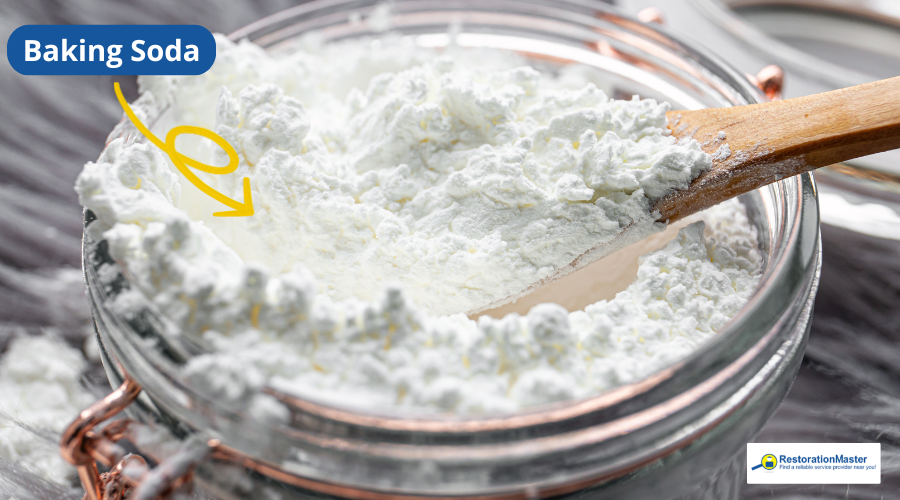
2. Use Baking Soda (for Small Fires)
Baking soda releases carbon dioxide when heated, which helps smother flames. If the fire is small, pour a generous amount of baking soda directly onto it. However, a standard box of baking soda may not be enough for anything more than a tiny flare-up.
3. Use Salt
Salt is another common kitchen staple that can help extinguish a grease fireA grease fire is a fire that occurs when cooking oils or fat... More. It works by absorbing heat. A cup or more of salt may be needed to put out a moderate fire. Like baking soda, salt is only recommended for smaller fires due to quantity limits.
4. Use a Metal Lid or Baking Sheet
Fire needs oxygenOxygen is a chemical element essential for combustion and li... More to survive. Covering the flames with a metal lid or baking sheet will help smother them. Avoid using glass lids—they can shatter under extreme heat.
What to Do Immediately
– Turn Off the Heat Source: Cut off the burner or oven as soon as a fire starts.
– Cover the Pan or Pot: If it’s safe, place a metal lid over the flames to remove oxygenOxygen is a chemical element essential for combustion and li... More.
– Call 911: If the fire grows or you’re unable to control it, don’t wait—call emergency services immediately.
What NOT to Do During a Grease Fire
– Do NOT Move the Pot or Pan: It can splash hot oil and spread the fire.
– Do NOT Use Water: Water and grease do not mix. Pouring water on a grease fireA grease fire is a fire that occurs when cooking oils or fat... More causes the flames to explode and spread rapidly.
– Do NOT Use Baking Powder, Flour, or Sugar: These look like baking soda but can actually feed the fire and make it worse.
Grease Fire Prevention Tips
– Monitor Oil Temperature: Never leave hot oil unattended. Most vegetable oils begin to smoke around 450°F, and animal fats at around 375°F.
– Keep Cooking Surfaces Clean: Wipe down greasy spills from stoves, ovens, and microwaves.
– Use a Thermometer: If you deep fry often, use a thermometer to track oil temperature.
– Get a Kitchen Fire Extinguisher: Look for one rated for Class B or B-C fires and keep it in an accessible spot.
Fire Damage Restoration After a Grease Fire
If a grease fireA grease fire is a fire that occurs when cooking oils or fat... More damages your kitchen, even slightly, it’s important to act fast. SootSoot is fine black particles composed of carbon and other ma... More and smoke can continue to spread after the fire is out, and hidden water damage from firefighting efforts can leadLead is a heavy metal that can be toxic to humans, especiall... More to moldMold is a type of fungus that grows in damp or humid conditi... More.
Professional fire damage restoration teams are available 24/7 and respond quickly to:
– Remove smoke and sootSoot is fine black particles composed of carbon and other ma... More residueResidue is any leftover material, such as soot, dust, or che... More
– Dry out any water damage
– Clean and deodorize surfaces
– Restore damaged structures and belongings
Calling a fire damage restoration professional right away helps reduce long-term damage and speeds up recovery.
Frequently Asked Questions
How to React to Kitchen Fire Damage?
- Safety Precautions
- Document the Damage
- Cleaning the Fire Damage
Learn more about How to properly react to kitchen damage.
How to Eliminate Smoke Odors from the Kitchen After a Fire?
- Air Out the Smoke OdorAn odor is a smell, often detectable by the human nose, whic... More: Freshen Up Your Space
- Deep Clean Kitchen Cabinets and Countertops
- Sprinkle Baking Soda on Furniture and Carpets
- Machine Wash Your Smelly Linens and Clothes
- Clean Walls and Ceilings with a SolutionA solution is a homogeneous mixture of two or more substance... More
- Put Charcoal Inside the House
- Replace or Change Air Filters
Read more about 7 Easy Kitchen Fire Damage Smoke Odor Removal Tips.
Can flour put out a grease or electrical fire?
No. Flour is flammable and can make the fire worse. Only use baking soda or a fire extinguisher.
Is it safe to use water on a grease fire?
Never use water. It can cause the grease to splatter and spread the fire.
What should I do first if a grease fire starts?
Immediately turn off the stove, cover the fire with a metal lid (if possible), and call 911 if the fire grows out of control.
Can I use baking powder instead of baking soda?
No. Baking powder is not effective and can even cause the fire to flare up. Always use baking soda.
What should I do after a kitchen fire?
Ventilate the space, clean affected surfaces, launder fabrics, replace air filters, and consider professional deodorizing if smoke odors linger.

About Vince Sandri
Vince Sandri is a content writer and blogger with more than 12 years of experience. His expertise is in creating content related to disaster restorationRestoration is the process of returning a property to its pr... More, including information about preventing and reacting to natural disasters like floodingFlooding is the overflow or accumulation of water in areas t... More, water damage, fire and smoke damage, moldMold is a type of fungus that grows in damp or humid conditi... More growth, storm damage and more.
Vince has been the main contributor to RestorationMasterFinder.com since 2014. Over that time, he has written numerous service pages and blogs for disaster restorationRestoration is the process of returning a property to its pr... More providers featured on RestorationMasterFinder.com. Vince has done extensive research and covered a wide range of topics relating to disaster restorationRestoration is the process of returning a property to its pr... More to help homeowners, business owners, and property managers better protect their property. He understands the problems that disasters like floodingFlooding is the overflow or accumulation of water in areas t... More, fire, smoke, and moldMold is a type of fungus that grows in damp or humid conditi... More can cause as well as the best ways to respond to these issues to limit the damage.
Vince completed his Bachelor of Arts degree at Aurora University and his master’s degree at DePaul University. He has been writing SEO website pages, blogs, and press releases since 2012. Vince is also a musician and can be seen playing in the Chicago, IL area.