


Is It Safe to Stay in Your Home During Restoration?
When your home is damaged by water, fire, mold, or sewage, one of the first and most stressful questions homeowners ask is whether it is safe to remain in the property during restoration. The answer is not always simple. Safety depends on the type of damage, the extent of contamination, the restoration methods required, and the health of the occupants.
This guide explains when it may be safe to stay, when you should leave, and how professional restoration companies determine occupancy during active restoration. It is designed to help homeowners make informed decisions that protect health, safety, and long-term property value.
The Core Factors That Determine Safety During Restoration
Professional restoration decisions are not based on convenience. They are based on risk assessment. The following factors determine whether a home can be safely occupied during the restoration process.
1. Type of Damage
Different disasters introduce different hazards (as outlined in IICRC restoration standards):
- Water damage may involve electrical risks, structural weakening, and microbial growth
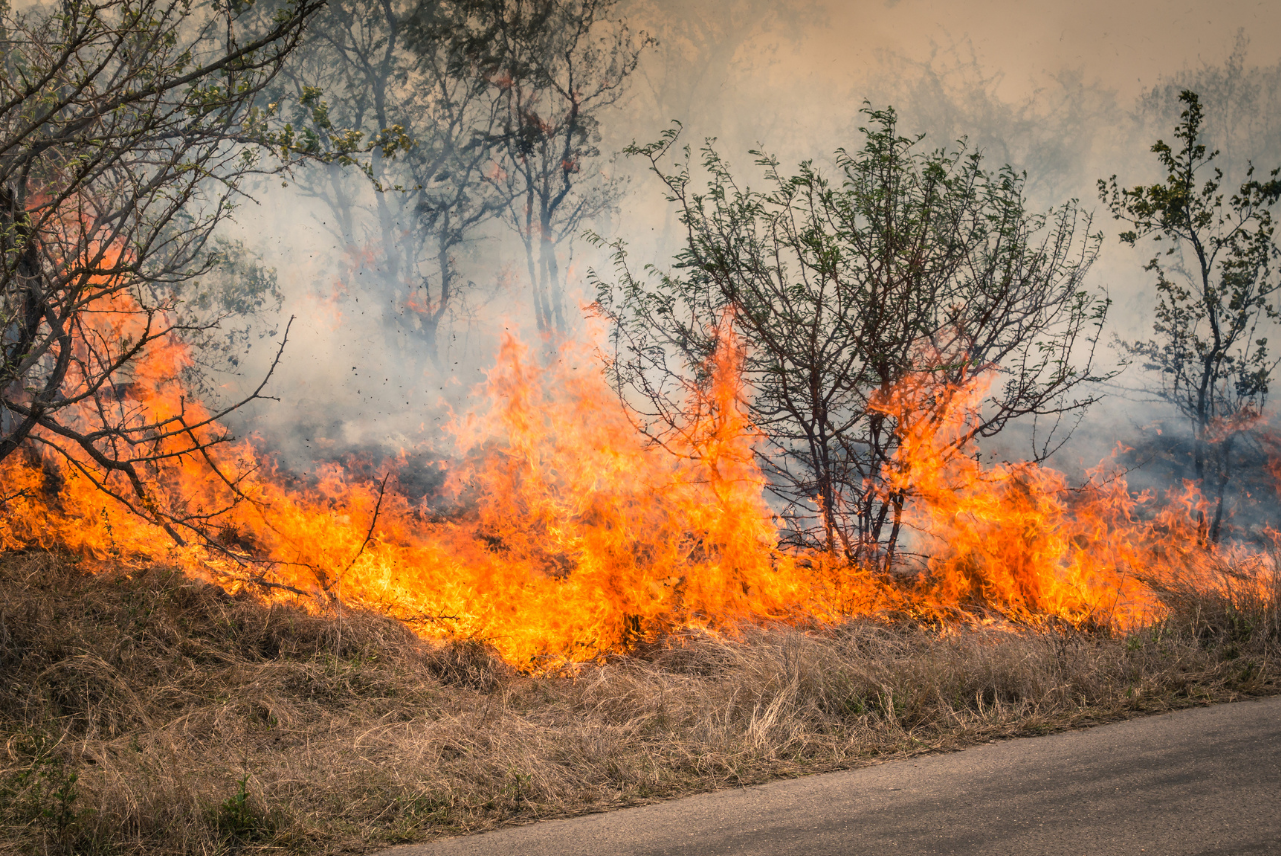
- Fire damage introduces smoke particles, soot residue, and toxic byproducts
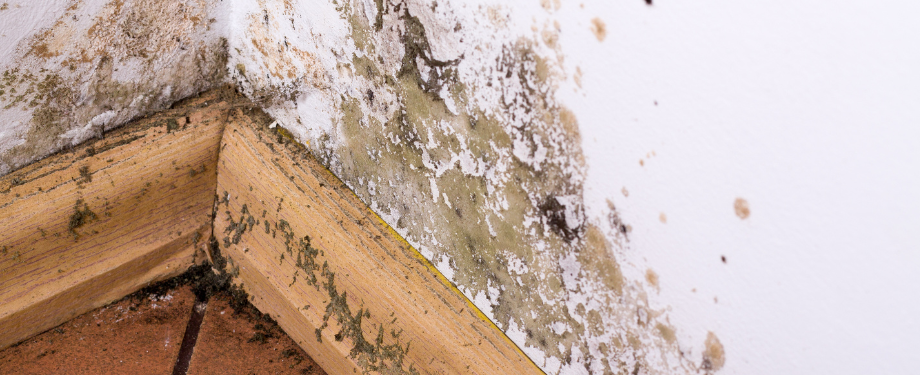
- Mold damage involves airborne spores and mycotoxins
- Sewage damage includes bacteria, viruses, and parasites
Each category carries a different risk profile, and some are incompatible with safe occupancy.
2. Level of Contamination
Restoration professionals classify contamination into categories. Clean water incidents are far different from black water or biohazard exposure. The higher the contamination level, the higher the health risk for occupants.
3. Structural Integrity
If walls, ceilings, floors, or load-bearing elements are compromised, remaining in the home may be dangerous regardless of air quality. Structural instability is a non-negotiable reason to vacate.
4. Restoration Methods Required
Some restoration processes require:
- Industrial drying equipment
- Negative air pressure containment
- Chemical treatments
- Removal of building materials
These processes may create noise, dust, odors, or airborne particles that make occupancy unsafe or impractical.
5. Occupant Health and Vulnerability
Children, seniors, pregnant individuals, and people with respiratory conditions or compromised immune systems face elevated risks during restoration. What may be tolerable for one household may be dangerous for another.
When It May Be Safe to Stay in Your Home During Restoration
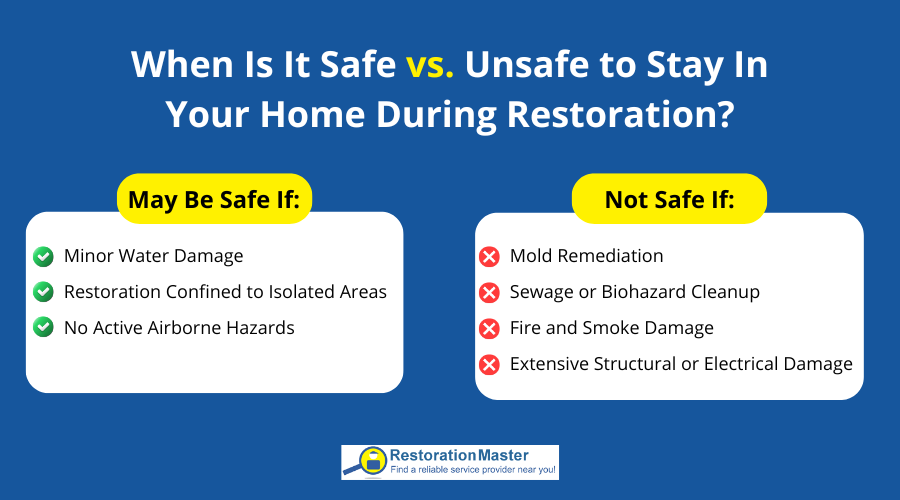
Restoration technicians regularly assess whether a home can remain occupied during mitigation work. According to experienced project managers, the deciding factor is not convenience but control. If hazards can be fully contained and monitored, limited occupancy may be possible. If not, professionals recommend relocation without hesitation. In limited situations, homeowners may be able to remain in the property during restoration.
Minor Water Damage with No Contamination
If water damage is limited to a small area, involves clean water, and is addressed immediately, occupancy may be possible. Examples include:
- Minor supply line leaks
- Small appliance overflows
- Localized water intrusion without saturation
Even in these cases, professionals typically isolate the affected area to prevent moisture spread.
Restoration Confined to Isolated Areas
If restoration work can be fully contained to a specific room or section of the home, professionals may allow occupancy in unaffected areas. This requires:
- Physical barriers
- Controlled airflow
- Clear safety protocols
No Active Airborne Hazards
If air quality testing confirms safe conditions and restoration does not involve demolition or contamination removal, short-term occupancy may be possible.
When It Is NOT Safe to Stay in Your Home During Restoration
Experienced restoration crews report that homeowners frequently underestimate invisible risks. Airborne contaminants, structural instability behind walls, and secondary moisture migration are common reasons professionals insist on vacating, even when damage appears limited on the surface. In many cases, remaining in the home during restoration poses unacceptable risks.
Mold Remediation
Mold remediation often releases spores into the air, even when containment measures are in place. Exposure can cause respiratory symptoms, allergic reactions, and long-term health effects. For this reason, many professionals recommend temporary relocation during mold remediation.
Sewage or Biohazard Cleanup
Sewage backups and biohazard incidents introduce pathogens that cannot be safely managed with occupants present, which aligns with CDC health risks from contaminated water.
. These situations almost always require vacating the property.
Fire and Smoke Damage
Smoke particles penetrate walls, furniture, and HVAC systems. Fire restoration often involves soot removal, deodorization, and chemical treatments that make occupancy unsafe until clearance testing is complete.
Extensive Structural or Electrical Damage
If utilities are compromised or the structure is unsafe, staying in the home is not an option.
Health Risks of Staying During Active Restoration
Remaining in a home during restoration can expose occupants to risks identified by the CDC guidance on mold exposure and the EPA indoor air quality guidance, including:
- Poor indoor air quality
- Chemical fumes
- Dust and particulate matter
- Mold spores and bacteria
- Noise-related stress and sleep disruption
These risks may not cause immediate symptoms but can lead to long-term health issues, especially with prolonged exposure.
How Restoration Professionals Decide If a Home Is Occupiable
What Technicians Evaluate on Day One
During the initial site inspection, experienced restoration technicians focus on factors that directly affect occupant safety. These checks are based on real-world field conditions, not assumptions.
Day-One Safety Checklist Used by Professionals
- Presence of contaminated water, sewage, or biohazard material
- Evidence of smoke residue, soot spread, or odor migration
- Active mold growth or conditions likely to cause rapid mold development
- Structural damage to floors, walls, ceilings, or load-bearing elements
- Electrical hazards caused by water intrusion or fire damage
- Indoor air quality concerns due to airborne particles or chemical use
- Scope of demolition required to complete proper restoration
If any of these risks cannot be fully controlled or isolated, professionals typically recommend vacating the property.
Field-Based Decision Making
Professional restoration companies rely on first-hand inspection, not assumptions. Technicians with years of field experience look beyond visible damage to identify hidden moisture, contamination spread, and air quality risks that homeowners cannot see. Reputable restoration companies follow established standards and assessment protocols. Their decision process typically includes:
- Moisture mapping and damage assessment
- Air quality evaluation
- Identification of contamination category
- Review of restoration scope and equipment needs
- Consideration of occupant health factors
If there is uncertainty, professionals default to safety rather than convenience.
Insurance and Temporary Relocation Considerations
Many homeowners’ insurance policies include coverage for additional living expenses when a home is deemed uninhabitable, particularly after disasters addressed by FEMA disaster recovery guidance. This may cover:
- Hotel stays
- Short-term rentals
- Meals
- Pet accommodations
Understanding when relocation is recommended can help streamline insurance claims and reduce disputes.
Common Misconceptions About Staying During Restoration
“If the power is on, it must be safe.”
Electrical functionality does not indicate air quality or contamination safety.
“I do not smell anything, so there is no risk.”
Many dangerous particles and pathogens are odorless.
“The work will only take a few days.”
Even short-term exposure can be harmful depending on the type of damage.
Decision Framework for Homeowners
Safe to Stay vs Temporary Relocation
The table below reflects how restoration professionals commonly assess occupancy risk during active restoration.
| Situation | Typically Safe to Stay | Temporary Relocation Recommended |
|---|---|---|
| Minor clean water damage with no contamination | Yes, with proper isolation | No |
| Mold remediation | Rarely | Yes |
| Sewage or biohazard cleanup | No | Yes |
| Fire or smoke damage | No | Yes |
| Structural or electrical damage | No | Yes |
| Chemical treatments or deodorization | No | Yes |
Expert Tip from the Field
Seasoned restoration professionals often advise homeowners to ask one critical question: “If this were your home, would you stay?” When the answer from an expert is anything less than an immediate yes, relocation is usually the safest choice.
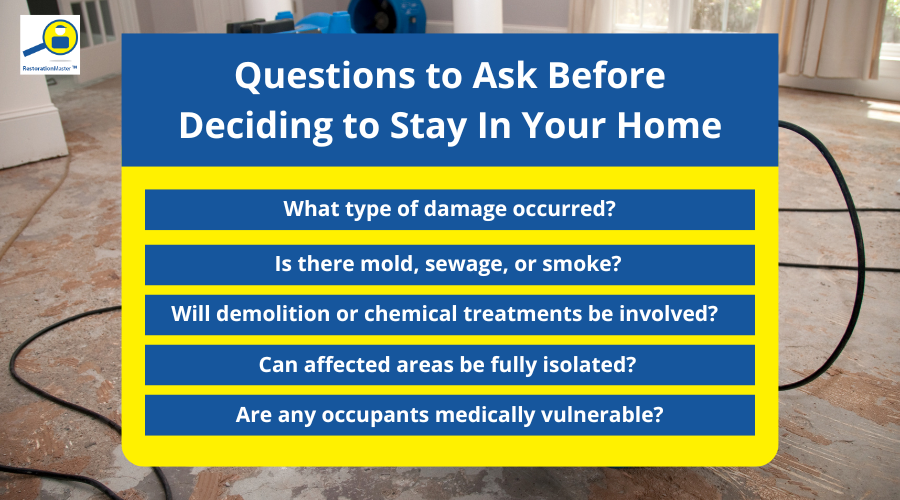
Ask the following questions before deciding to stay:
- What type of damage occurred?
- Is there mold, sewage, or smoke involvement?
- Will demolition or chemical treatments be used?
- Can affected areas be fully isolated?
- Are any occupants medically vulnerable?
If any answer raises concern, relocation is the safest option.
What to Do If You Need to Leave Your Home
If professionals recommend vacating:
- Secure valuables and important documents
- Coordinate with your insurance provider
- Ask for a projected restoration timeline
- Request clearance testing before re-entry
Temporary inconvenience is far preferable to long-term health or structural consequences.
Final Takeaways
Staying in your home during restoration is sometimes possible, but often not advisable. Safety depends on the type of damage, the level of contamination, and the restoration methods required. Trusting professional assessments and prioritizing health is critical. When in doubt, leaving the property temporarily is the safest decision.
This guide is intended to help homeowners understand the risks, ask the right questions, and make informed decisions during one of the most stressful situations they may face.
Frequently Asked Questions (FAQs)
Is it safe to stay in your home during water damage restoration?
In some limited cases, yes. Minor clean water damage that is contained and addressed immediately may allow temporary occupancy. If contamination, hidden moisture, or structural concerns are present, professionals typically recommend leaving the home.
Can staying in a home during restoration make you sick?
Yes. Exposure to mold spores, bacteria, soot particles, or chemical treatments can affect indoor air quality and lead to respiratory issues, headaches, or other health problems, especially with prolonged exposure.
Do I need to leave my home during mold remediation?
In most cases, yes. Mold remediation can release spores into the air even with containment measures in place. Restoration professionals often recommend temporary relocation to protect occupant health.
Is it safe to stay in a house after a fire but before restoration is complete?
Usually no. Smoke and soot particles can remain airborne and settle throughout the home. Fire restoration often involves chemical deodorization and material removal, which makes the environment unsafe until clearance testing is completed.
Will my insurance cover hotel or temporary housing during restoration?
Many homeowners insurance policies include additional living expense coverage when a home is deemed uninhabitable. Coverage depends on the policy and the cause of the damage, so it’s important to confirm details with your insurance provider.
Additional Resources for Homeowners
Why It’s Better to Hire a Water Damage Professional Instead of DIY
Explains why professional water damage restoration is safer and more effective than DIY cleanup, including hidden moisture risks, proper drying methods, and long-term damage prevention.
What Are the Levels of Mold Damage?
Breaks down the different levels of mold damage, how severity is determined, and why professional assessment is critical to protecting indoor air quality and occupant health.
Fire and Water Damage – Health Precautions
Outlines the health risks associated with fire and water damage and the precautions homeowners should take to reduce exposure to smoke residue, contaminants, and airborne hazards.

About Vince Sandri
Vince Sandri is a content writer and blogger with more than 12 years of experience. His expertise is in creating content related to disaster restoration, including information about preventing and reacting to natural disasters like flooding, water damage, fire and smoke damage, mold growth, storm damage and more.
Vince has been the main contributor to RestorationMasterFinder.com since 2014. Over that time, he has written numerous service pages and blogs for disaster restoration providers featured on RestorationMasterFinder.com. Vince has done extensive research and covered a wide range of topics relating to disaster restoration to help homeowners, business owners, and property managers better protect their property. He understands the problems that disasters like flooding, fire, smoke, and mold can cause as well as the best ways to respond to these issues to limit the damage.
Vince completed his Bachelor of Arts degree at Aurora University and his master’s degree at DePaul University. He has been writing SEO website pages, blogs, and press releases since 2012. Vince is also a musician and can be seen playing in the Chicago, IL area.