





8 Steps to Remove Candle Soot from Walls

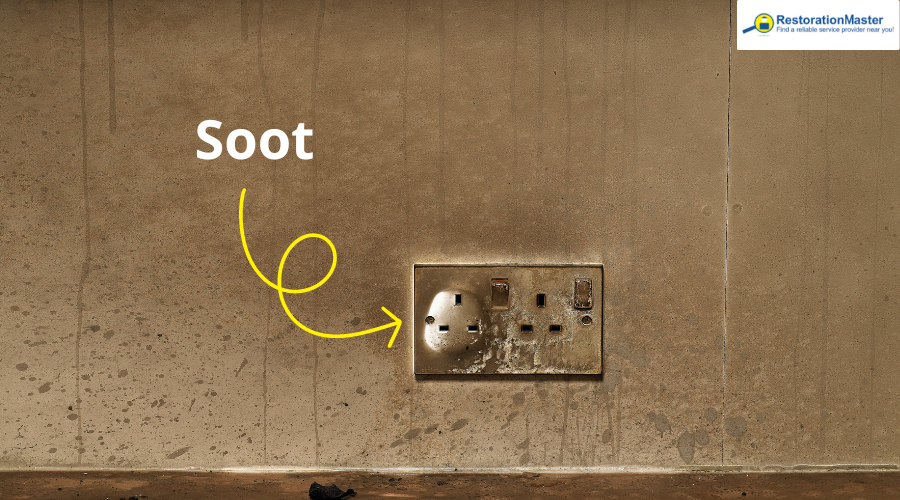
Burning candles can create a cozy ambiance and fill your space with delightful scents, but they also come with potential risks. One common issue is the buildup of sootSoot is fine black particles composed of carbon and other ma... More on walls and surfaces, especially if candles are left burning unattended. Addressing sootSoot is fine black particles composed of carbon and other ma... More quickly and effectively is essential to prevent further damage. Recognizing the signs of sootSoot is fine black particles composed of carbon and other ma... More buildup early can help you mitigateTo mitigate is to reduce or limit the severity of damage, ri... More future problems before they escalate.
In this article, we’ll explore why candle sootSoot is fine black particles composed of carbon and other ma... More sticks to walls, how to prevent it, effective methods for removing candle sootSoot is fine black particles composed of carbon and other ma... More from walls, and whether black sootSoot is fine black particles composed of carbon and other ma... More from candles poses any danger. We’ll also discuss when it’s necessary to call a professional for smoke and soot removal.
Why Does Candle Soot Stick to Walls?
Candle sootSoot is fine black particles composed of carbon and other ma... More accumulates on walls due to the incomplete combustion of carbon in the candle wax when it doesn’t fully react with the oxygenOxygen is a chemical element essential for combustion and li... More in the air. This often occurs for several reasons, including low-quality candles, burning candles in poorly ventilated or drafty spaces, or using a candle with an untrimmed wick. Below, we’ll explore each of these factors in more detail:
- Poor quality candle: Candles with excessive additives, such as an overload of fragrances, can disrupt their natural combustion process. Additionally, the inclusion of fragrance oils often increases the likelihood of producing more sootSoot is fine black particles composed of carbon and other ma... More during burning.
- Lack of ventilationVentilation is the process of exchanging or circulating air ... More or drafty area: As a candle burns down to its base, it often begins to produce sootSoot is fine black particles composed of carbon and other ma... More. This occurs because less oxygenOxygen is a chemical element essential for combustion and li... More is available as the flame nears the bottom, causing the flame to shrink. A smaller flame disrupts the flow of liquid wax up the wick, leading to the release of unburned carbon particles into the air, which appear as sootSoot is fine black particles composed of carbon and other ma... More. Additionally, burning candles in drafty areas—such as near air vents, open windows, or fans—can draw excess oil into the wick. This results in incomplete combustion, further contributing to sootSoot is fine black particles composed of carbon and other ma... More production.
- Untrimmed wick: For a clean, soot-free burn, ensure the candle wick is trimmed to a quarter-inch before lighting. If you notice any sootSoot is fine black particles composed of carbon and other ma... More while the candle is burning, trimTrim is the decorative or functional molding used to finish ... More the wick slightly further until the flame burns cleanly.
How to Prevent Candle Soot on Walls
When burning candles, there are things you can do to help prevent the buildup of sootSoot is fine black particles composed of carbon and other ma... More on the walls. Here are a few things to keep in mind:
- TrimTrim is the decorative or functional molding used to finish ... More the candle wick: The best way to lower the amount of sootSoot is fine black particles composed of carbon and other ma... More is to trimTrim is the decorative or functional molding used to finish ... More your candle wicks. Before you light your candle, make sure the wick is trimmed at least ¼ inch. When the wick is longer, there is a larger flame which produces more sootSoot is fine black particles composed of carbon and other ma... More. When you regularly trimTrim is the decorative or functional molding used to finish ... More the wick, you will have a cleaner burn and less sootSoot is fine black particles composed of carbon and other ma... More.
- Use high-quality candles: Make sure to buy high-quality candles that have clean-burning wax which includes soy, beeswax, and coconut. These candles produce less sootSoot is fine black particles composed of carbon and other ma... More compared to those made from paraffin wax. You should also only use candles that have cotton or paper wicks instead of metal cores.
- Burn candles in areas with no draft: An air current or draft can cause candles to flicker and burn unevenly, creating more sootSoot is fine black particles composed of carbon and other ma... More. Always put candles far away from the windows, fans, and air vents. When a candle burns steadily, then it creates less sootSoot is fine black particles composed of carbon and other ma... More.
- Do not burn candles too long: When you burn candles for a long time, you can end up with sootSoot is fine black particles composed of carbon and other ma... More buildup. Make sure you do not burn candles for more than four hours at a time. Once the candle is extinguished, it should fully cool before you relight it.
- Always use candle holders and trays: It is important to use candle holders and trays to contain the sootSoot is fine black particles composed of carbon and other ma... More. Always choose holders that snugly fit the candle so you can lower the amount of wick that is exposed. Candle trays can catch any falling sootSoot is fine black particles composed of carbon and other ma... More particles to keep your surface clean.
- Ventilate the room: You should ensure that you have proper ventilationVentilation is the process of exchanging or circulating air ... More in any rooms where you use candles. Good ventilationVentilation is the process of exchanging or circulating air ... More will allow sootSoot is fine black particles composed of carbon and other ma... More particles to disperse. You can also open a window or use an exhaust fan to push fresh air in while you burn candles.
- Always clean the candles before you use them: When there is dust and sootSoot is fine black particles composed of carbon and other ma... More on the surface of your candles, you can end up with more soot production. Before you light a candle, make sure to wipe it clean with a soft cloth so all dirt and dust can be removed. This will allow for a cleaner burn.
- Choose a flameless alternative: If you would like a soot-free alternative, you can buy flameless candles. There are battery-operated electric candles that will give you a warm ambiance without the smoke and sootSoot is fine black particles composed of carbon and other ma... More. This will help you maintain a clean home environment.
- Use air purifiers: Make sure to use air purifiers in your home so you can have a clean environment for you and your family. This is especially true if you burn candles regularly.

How to Remove Soot from Candles on Walls
If you do notice a buildup of candle sootSoot is fine black particles composed of carbon and other ma... More, it is important to clean it from your walls right away. Here’s a step-by-step guide to help you effectively remove candle sootSoot is fine black particles composed of carbon and other ma... More from your walls:
Step 1: Gather Your Supplies
Before you start, make sure you have the items you need such as a dry-cleaning spongeA sponge is a porous material used to absorb liquids or clea... More, soft cloth, mild detergent, warm water, baking soda, white vinegar, a spray bottle, and a vacuum with a brush attachment.
Step 2: Test a Small Area
Test a small area on the wall to make sure you do not damage your paint or wallpaper before you treat a large area.
Step 3: Vacuum the Area
Use a vacuum cleaner with a brush attachment to get rid of any loose particles from your wall. This will help avoid smearing the sootSoot is fine black particles composed of carbon and other ma... More once you begin cleaning.
Step 4: Use a Dry-Cleaning Sponge
To remove the sootSoot is fine black particles composed of carbon and other ma... More without using water, opt for a dry-cleaning spongeA sponge is a porous material used to absorb liquids or clea... More. Gently sweep the spongeA sponge is a porous material used to absorb liquids or clea... More over the soot-stained area, avoiding excessive pressure to prevent damage to the wall surface. When the spongeA sponge is a porous material used to absorb liquids or clea... More becomes too dirty, replace it to avoid spreading sootSoot is fine black particles composed of carbon and other ma... More to clean areas.
Step 5: Prepare a Cleaning Solution
After using a dry-cleaning spongeA sponge is a porous material used to absorb liquids or clea... More, if any sootSoot is fine black particles composed of carbon and other ma... More remains, prepare a mild cleaning solutionA solution is a homogeneous mixture of two or more substance... More by mixing warm water with a gentle detergent. Use it to carefully clean the affected area.
Step 6: Clean the Wall
Use a soft cloth dipped in soapy water, making sure to wring out the excess. Starting at the top, gently wipe the surface, working your way downward. Rinse the cloth regularly to ensure you’re not reapplying dirt once the water becomes murky.
Step 7: Use Baking Soda for Stains
For stubborn stains, create a paste made from baking soda and water. Then rub the paste on the stained area in a circular motion. Next, let it sit just a few minutes before you wipe it off with a clean, wet cloth.
Step 8: Rinse and Dry
After thoroughly removing the sootSoot is fine black particles composed of carbon and other ma... More, rinse the area and wipe it down with a clean, damp cloth. Finish by dryingDrying is the process of removing moisture from materials, s... More the wall with a soft towel to prevent any potential water damage.
Step 9: Use Vinegar for Persistent Odors
If you have lingering odors from the sootSoot is fine black particles composed of carbon and other ma... More, take a spray bottle filled with white vinegar and water, mist the area that is affected, and then let it dry. Vinegar will help remove the odorAn odor is a smell, often detectable by the human nose, whic... More.
Step 10: Repaint if Necessary
If necessary, repaint the cleaned area to help prevent future sootSoot is fine black particles composed of carbon and other ma... More buildup.
Is Black Soot from Candles Dangerous?
Black soot from candles can pose health risks. Composed of fine particles, sootSoot is fine black particles composed of carbon and other ma... More can be harmful when inhaled. To minimize exposure, it’s important to choose candles made from natural waxes, regularly trimTrim is the decorative or functional molding used to finish ... More the wicks, ensure proper ventilationVentilation is the process of exchanging or circulating air ... More while burning, and avoid burning candles for long periods. Taking these precautions can help create a safer and more enjoyable candle experience.
When to Call a Professional for Smoke and Soot Removal
Smoke damage in your home or business needs prompt attention to prevent further harm to your belongings. Here are some reasons why you may consider calling a professional smoke removal company:
- Extreme smoke damage: SootSoot is fine black particles composed of carbon and other ma... More that is visible, stained walls and smoke odors likely require professional removal.
- If toxic materials are present: Smoke usually contains harmful substances such as gases and chemicals that may be toxic.
- Complicated restorationRestoration is the process of returning a property to its pr... More needs: Smoke can negatively affect surfaces like walls and ceilings and even hidden areas such as ductwork, insulationInsulation is a material used in buildings to reduce the tra... More, and HVAC systems. This type of damage should be addressed by professionals.
Professional Smoke and Soot Removal Services

By taking the right precautions, you can enjoy the warmth and ambiance of candles while minimizing sootSoot is fine black particles composed of carbon and other ma... More buildup and potential health risks. Regularly trimming wicks, using high-quality candles, and maintaining proper ventilationVentilation is the process of exchanging or circulating air ... More can significantly reduce sootSoot is fine black particles composed of carbon and other ma... More accumulation on walls and surfaces. If sootSoot is fine black particles composed of carbon and other ma... More buildup does occur, prompt cleaning with the right techniques can help restore your walls and maintain a clean living environment. For severe smoke or sootSoot is fine black particles composed of carbon and other ma... More damage, seeking professional assistance ensures a thorough and safe restorationRestoration is the process of returning a property to its pr... More.
RestorationRestoration is the process of returning a property to its pr... More professionals provide expert smoke and soot damage cleaning to remove sootSoot is fine black particles composed of carbon and other ma... More and smoke residueSmoke residue is the fine, oily, or powdery particles left b... More caused by burning candles, cooking, or fires. These technicians have the proper equipment and cleaning products to effectively remove sootSoot is fine black particles composed of carbon and other ma... More and restore the damaged materials. They also use advanced deodorization methods to remove lingering smoke odors.

About Vince Sandri
Vince Sandri is a content writer and blogger with more than 12 years of experience. His expertise is in creating content related to disaster restorationRestoration is the process of returning a property to its pr... More, including information about preventing and reacting to natural disasters like floodingFlooding is the overflow or accumulation of water in areas t... More, water damage, fire and smoke damage, moldMold is a type of fungus that grows in damp or humid conditi... More growth, storm damage and more.
Vince has been the main contributor to RestorationMasterFinder.com since 2014. Over that time, he has written numerous service pages and blogs for disaster restorationRestoration is the process of returning a property to its pr... More providers featured on RestorationMasterFinder.com. Vince has done extensive research and covered a wide range of topics relating to disaster restorationRestoration is the process of returning a property to its pr... More to help homeowners, business owners, and property managers better protect their property. He understands the problems that disasters like floodingFlooding is the overflow or accumulation of water in areas t... More, fire, smoke, and moldMold is a type of fungus that grows in damp or humid conditi... More can cause as well as the best ways to respond to these issues to limit the damage.
Vince completed his Bachelor of Arts degree at Aurora University and his master’s degree at DePaul University. He has been writing SEO website pages, blogs, and press releases since 2012. Vince is also a musician and can be seen playing in the Chicago, IL area.