

How to Effectively Remove Mold from Leather
MoldMold is a type of fungus that grows in damp or humid conditi... More and mildewMildew is a type of fungus that grows on damp surfaces, typi... More on leather can cause devastating damage, potentially ruining the product entirely. It can alter the appearance of the leather, cause the material to deteriorate, and produce unpleasant odors. For individuals with allergies, moldMold is a type of fungus that grows in damp or humid conditi... More can worsen symptoms and leadLead is a heavy metal that can be toxic to humans, especiall... More to additional health concerns. That’s why it’s essential to address moldMold is a type of fungus that grows in damp or humid conditi... More on leather as soon as it’s detected.
In this guide, we’ll explore why moldMold is a type of fungus that grows in damp or humid conditi... More forms on leather, how to identify it, the potential damage it can cause, and effective mold removal techniques. We’ll also provide step-by-step instructions for removing moldMold is a type of fungus that grows in damp or humid conditi... More from leather and tips to prevent it from coming back. Keep reading to protect your leather clothing, shoes, and furniture and ensure that the material is kept in good condition.
Signs of Mold Growth on Leather
Before cleaning moldMold is a type of fungus that grows in damp or humid conditi... More from a leather product, it’s important to first confirm that the issue is actually moldMold is a type of fungus that grows in damp or humid conditi... More and not something else. Certain stains or substances can resemble moldMold is a type of fungus that grows in damp or humid conditi... More but may require a different approach. Always double-check to ensure what you’re dealing with is indeed moldMold is a type of fungus that grows in damp or humid conditi... More before proceeding with the cleaning process. MoldMold is a type of fungus that grows in damp or humid conditi... More growth can manifest in various ways. Here are some common signs of moldMold is a type of fungus that grows in damp or humid conditi... More growth that can help you determine if it is indeed moldMold is a type of fungus that grows in damp or humid conditi... More.
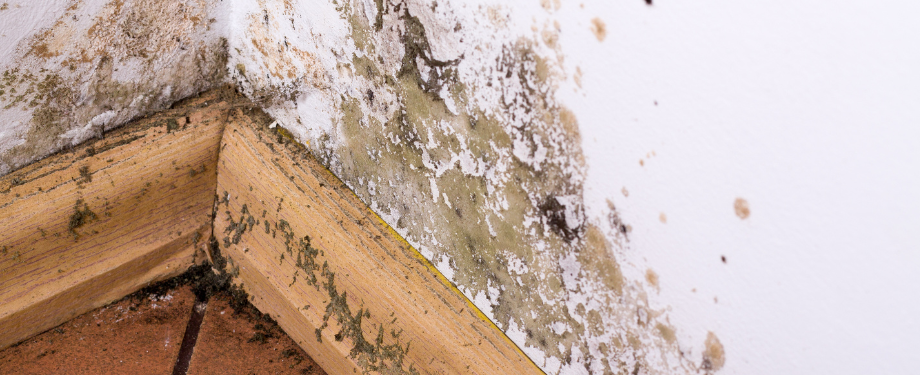
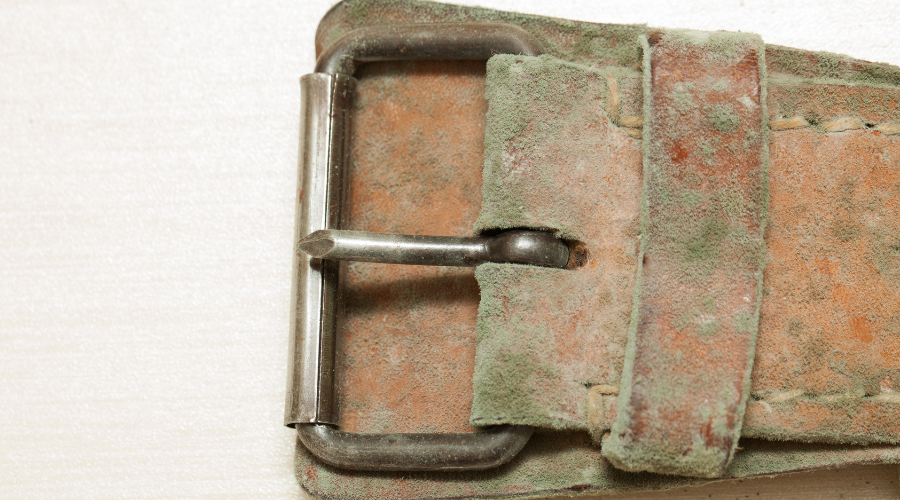
- White, Black, or Green Spots: MoldMold is a type of fungus that grows in damp or humid conditi... More commonly appears as small white, green, or black fuzzy spots on the leather’s surface and can cause discoloration, cracking, or peeling.
- Powdery or Slimy ResidueResidue is any leftover material, such as soot, dust, or che... More: A powdery or slimy film may form on leather, which can be easily wiped off but quickly returns if untreated.
- Musty OdorAn odor is a smell, often detectable by the human nose, whic... More: Leather with moldMold is a type of fungus that grows in damp or humid conditi... More has a distinctive damp or musty smell that persists even after airing it out.
What Causes Mold to Grow on Leather?
Leather, being an organic material, provides an ideal environment for moldMold is a type of fungus that grows in damp or humid conditi... More growth due to its natural composition and properties. Whether you have mold on your luggage, purses, leather boots, or other leather products, it is essential to understand the causes of moldMold is a type of fungus that grows in damp or humid conditi... More growth. Here’s why leather serves as a perfect breeding ground for moldMold is a type of fungus that grows in damp or humid conditi... More:
- Organic composition: Leather usually comes from the hides of cattle, sheep, goats, and even pigs. Leather materials often contain collagen fibers, proteins, and oils that act as food sources for moldMold is a type of fungus that grows in damp or humid conditi... More sporesSpores are microscopic reproductive units of fungi or mold t... More.
- Nutrient-rich environment: Because of the proteins and oils present in the leather, it is a great source of nutrients for moldMold is a type of fungus that grows in damp or humid conditi... More sporesSpores are microscopic reproductive units of fungi or mold t... More. Also, the natural oils in the leather provide an additional energy source for moldMold is a type of fungus that grows in damp or humid conditi... More.
- PorousPorous describes a material that contains small openings or ... More structureStructure refers to the framework or components of a buildin... More: Leather has interconnected fibers that take in moisture and nutrients from other nearby environments. This allows the moldMold is a type of fungus that grows in damp or humid conditi... More sporesSpores are microscopic reproductive units of fungi or mold t... More to go deep into leather fibers where they can form colonies and feed on organic materialsOrganic materials are derived from living organisms, such as... More within the leather.
- Retention of moisture: Leather can absorb a lot of moisture and retain it which allows moldMold is a type of fungus that grows in damp or humid conditi... More to grow quickly and remain within the leather.
- Texture of the surface: Leather is usually soft and supple which allows for microorganisms to thrive. MoldMold is a type of fungus that grows in damp or humid conditi... More sporesSpores are microscopic reproductive units of fungi or mold t... More can also settle inside the leather where they can grow and develop.
What Damage Can Mold Cause on Leather?
MoldMold is a type of fungus that grows in damp or humid conditi... More can severely damage leather if left untreated. Beyond unsightly patches, it can cause the leather to deteriorate over time. MoldMold is a type of fungus that grows in damp or humid conditi... More sporesSpores are microscopic reproductive units of fungi or mold t... More penetrate the leather’s surface, leading to discoloration, weakened fibers, and an unpleasant odorAn odor is a smell, often detectable by the human nose, whic... More. In more serious cases, the damage may become irreversible, requiring costly repairs or even full replacement. Taking prompt action is essential to preserving your leather’s quality and longevity.
Cleaning Supplies Needed to Clean Mold
Before you start cleaning moldMold is a type of fungus that grows in damp or humid conditi... More, make sure to gather the proper supplies. You will need the following to remove moldMold is a type of fungus that grows in damp or humid conditi... More from leather products:
- Mild soap or a leather cleaner
- A spongeA sponge is a porous material used to absorb liquids or clea... More or soft cloth
- A brush with gentle bristles
- Rubbing alcohol
- A leather conditioner
- Baking Soda
- White vinegar
- A working environment that is well-ventilated
Always make sure to test the cleaning solutionA solution is a homogeneous mixture of two or more substance... More on a small surface of the leather item to ensure it will not damage or discolor it before proceeding with cleaning the rest of the material.
How to Address Mold on Leather
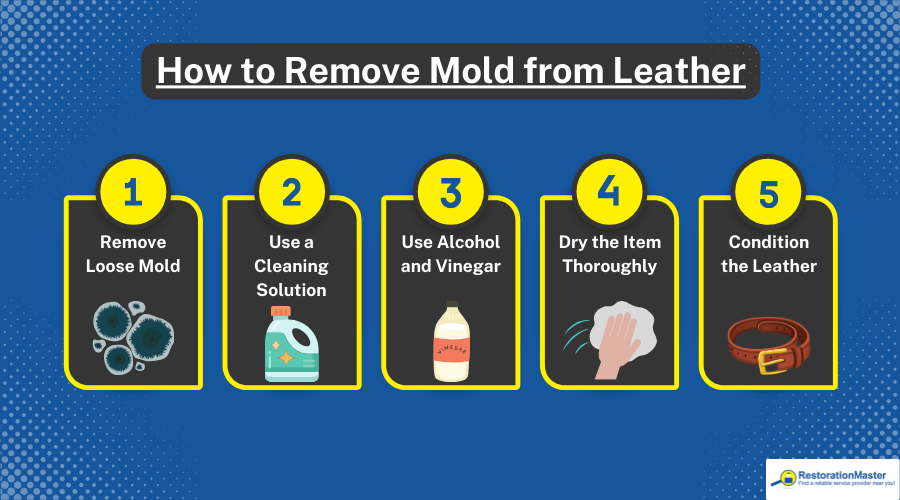
Following these steps will help you effectively remove moldMold is a type of fungus that grows in damp or humid conditi... More from leather:
- Get rid of any loose moldMold is a type of fungus that grows in damp or humid conditi... More: First, take the leather item outside and remove any moldMold is a type of fungus that grows in damp or humid conditi... More that is loose with a soft brush. This will not allow the sporesSpores are microscopic reproductive units of fungi or mold t... More to spread to other areas of the item.
- Utilize a cleaning solutionA solution is a homogeneous mixture of two or more substance... More: Prepare a solutionA solution is a homogeneous mixture of two or more substance... More using water, a leather cleanser, and a small amount of mild soap. Dip a spongeA sponge is a porous material used to absorb liquids or clea... More into the mixture, ensuring it is damp but not soaked, and gently wipe the leather surface. Avoid over-saturating the leather, as excessive moisture can cause further damage.
- Use alcohol and vinegar: Mix equal parts rubbing alcohol and vinegar to create a cleaning solutionA solution is a homogeneous mixture of two or more substance... More. Apply it to the surface using a cloth, let it sit for a few minutes, and then wipe it clean.
- Dry the item: After cleaning, gently pat the leather dry with a soft cloth. Allow it to air-dry completely in a well-ventilated area, taking care to keep it away from direct sunlight or heat sources. Excessive heat or sunlight can dry out the leather, causing it to crack over time.
- Condition the item: Add some leather conditioner to the surface of the leather once it is fully dry. This will help protect it from moldMold is a type of fungus that grows in damp or humid conditi... More and restore moisture.
Mold Prevention Tips for Leather
The key to protecting leather from moldMold is a type of fungus that grows in damp or humid conditi... More is to prevent its growth entirely. Here are some essential tips to help you keep your leather products mold-free:
- All leather products should be kept in a dry and cool place that has a lot of air movement.
- Leather products should be stored away from direct sunlight to prevent it from dryingDrying is the process of removing moisture from materials, s... More out and cracking.
- Never store leather in plastic bags as this could create extra moisture.
- All leather should be conditioned and cleaned regularly.
- If your home is humid, make sure to use silica gel to absorb excess moisture.
Neglecting to regularly inspect your leather products can leadLead is a heavy metal that can be toxic to humans, especiall... More to significant damage over time. By following the guidelines outlined above, you can ensure your leather remains in excellent condition for years to come.
Professional Mold Removal
All products made from leather, including shoes, purses, clothing, and furniture, are vulnerable to significant damage from moldMold is a type of fungus that grows in damp or humid conditi... More growth. Leather contains organic materialsOrganic materials are derived from living organisms, such as... More that provide a food source for moldMold is a type of fungus that grows in damp or humid conditi... More and its porousPorous describes a material that contains small openings or ... More structureStructure refers to the framework or components of a buildin... More makes it highly vulnerable to considerable damage from moldMold is a type of fungus that grows in damp or humid conditi... More.
Taking the steps outlined above can help you effectively remove moldMold is a type of fungus that grows in damp or humid conditi... More growth from leather and prevent it from returning or appearing in the first place. However, if you have a moldMold is a type of fungus that grows in damp or humid conditi... More situation that is too much for you to handle on your own, it is best to call the professionals for mold removal.
Mold remediationMold remediation is the process of identifying, removing, an... More professionals can assess the extent of moldMold is a type of fungus that grows in damp or humid conditi... More growth and the damage it causes to form an effective remediation plan. They will start by isolating affected areas and materials to prevent the moldMold is a type of fungus that grows in damp or humid conditi... More from spreading and then treat the materials using advanced remediation methods. These professionals are experienced in treating delicate materials like leather to help restore them after being affected by moldMold is a type of fungus that grows in damp or humid conditi... More.
If you are looking for reliable mold remediationMold remediation is the process of identifying, removing, an... More professionals in Maryland, give Prime Restoration a call at (301) 287-4283. We are dedicated to effectively removing moldMold is a type of fungus that grows in damp or humid conditi... More from all surfaces!

About Vince Sandri
Vince Sandri is a content writer and blogger with more than 12 years of experience. His expertise is in creating content related to disaster restorationRestoration is the process of returning a property to its pr... More, including information about preventing and reacting to natural disasters like floodingFlooding is the overflow or accumulation of water in areas t... More, water damage, fire and smoke damage, moldMold is a type of fungus that grows in damp or humid conditi... More growth, storm damage and more.
Vince has been the main contributor to RestorationMasterFinder.com since 2014. Over that time, he has written numerous service pages and blogs for disaster restorationRestoration is the process of returning a property to its pr... More providers featured on RestorationMasterFinder.com. Vince has done extensive research and covered a wide range of topics relating to disaster restorationRestoration is the process of returning a property to its pr... More to help homeowners, business owners, and property managers better protect their property. He understands the problems that disasters like floodingFlooding is the overflow or accumulation of water in areas t... More, fire, smoke, and moldMold is a type of fungus that grows in damp or humid conditi... More can cause as well as the best ways to respond to these issues to limit the damage.
Vince completed his Bachelor of Arts degree at Aurora University and his master’s degree at DePaul University. He has been writing SEO website pages, blogs, and press releases since 2012. Vince is also a musician and can be seen playing in the Chicago, IL area.