


Eco-Friendly DIY Mold Removal: Safe, Natural Solutions That Work
No one wants to discover mold growing in their home. However, when it happens, many homeowners want to deal with it safely, effectively, and without exposing their family or pets to harsh chemicals. The good news is, you don’t have to rely on bleach to kill moldMold is a type of fungus that grows in damp or humid conditi... More. There are natural, eco-friendly ways to remove moldMold is a type of fungus that grows in damp or humid conditi... More that are just as effective for small infestations.
In this guide, you’ll learn how to clean up mold using simple, non-toxic ingredients you probably already have in your home—and how to prevent it from coming back.
Why Choose Eco-Friendly Mold Removal?
Many store-bought moldMold is a type of fungus that grows in damp or humid conditi... More killers contain strong chemicals like bleach, ammonia, or borax. While they can kill moldMold is a type of fungus that grows in damp or humid conditi... More, they also give off fumes that can irritate your lungs, eyes, or skin—and they’re not always safe around kids or pets.
Natural moldMold is a type of fungus that grows in damp or humid conditi... More removers, on the other hand:
– Use plant-based or non-toxic ingredients
– Are safer for your family and the environment
– Help improve indoor air qualityIndoor air quality (IAQ) refers to the condition of the air ... More
– Are often less expensive than commercial products
What Is Mold and Why Is It Harmful?
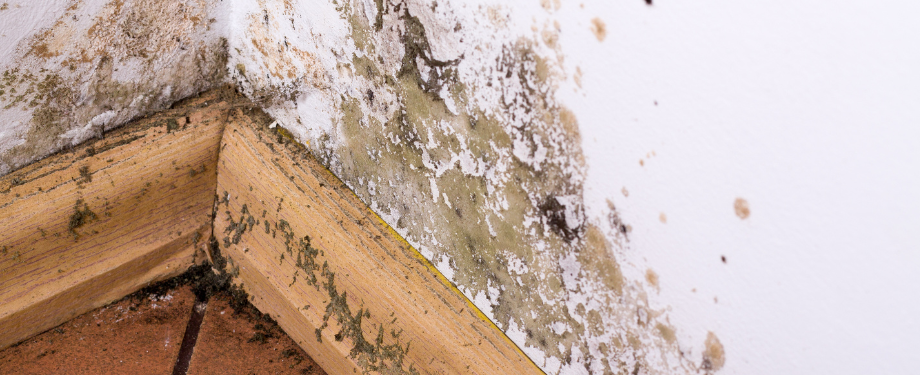
MoldMold is a type of fungus that grows in damp or humid conditi... More is a type of fungus that plays a useful role outdoors by breaking down organic materialsOrganic materials are derived from living organisms, such as... More like leaves and wood. But when moldMold is a type of fungus that grows in damp or humid conditi... More makes its way inside, it can become a problem.
Indoor moldMold is a type of fungus that grows in damp or humid conditi... More commonly shows up in damp areas like bathrooms, basements, and near windows. If left untreated, moldMold is a type of fungus that grows in damp or humid conditi... More can:
– Trigger allergies and asthma symptoms
– Lower indoor air qualityIndoor air quality (IAQ) refers to the condition of the air ... More
– Cause musty odors
– Damage drywall, wood, and other organic surfaces
Eco-Friendly Mold Removal Methods That Actually Work
Before using any method, make sure to wear gloves and a mask, and ventilate the area well.
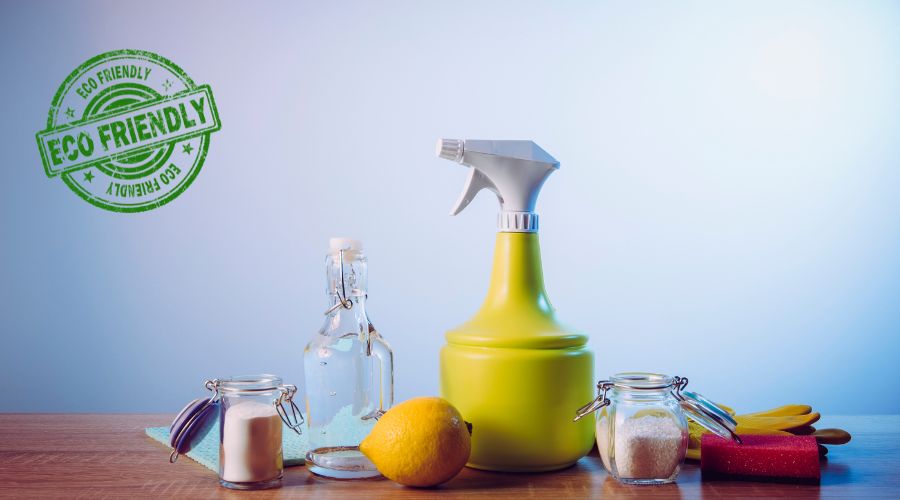
- White Vinegar
Spray undiluted white vinegar directly onto the moldMold is a type of fungus that grows in damp or humid conditi... More. Let it sit for a few hours, then scrub and wipe clean. - Hydrogen Peroxide
Use 3% hydrogen peroxide in a spray bottle. Spray and let sit for 10 minutes, scrub, and wipe clean. - Baking Soda
Mix 1 teaspoon with 2 cups of water, or combine with vinegar. Spray, scrub, and rinse. - Tea Tree Oil
Mix 2 teaspoons with 2 cups of water, spray, and do not rinse. The strong scent fades after a few hours. - Grapefruit Seed Extract
Mix 10 drops with 1 cup of water, spray, and allow to air dry without rinsing. - Citrus Seed Extract
Mix 20 drops with 2 cups of water and spray directly on the moldMold is a type of fungus that grows in damp or humid conditi... More. Let it sit.
How to Remove Mold With Baking Soda | Video
Do Eco-Friendly Mold Cleaners Smell?
– Vinegar has a strong scent but fades quickly or can be masked with essential oils.
– Baking soda neutralizes odors naturally.
– Tea tree oil has a strong scent that fades after a few hours.
– Citrus-based products are usually odorless or mild-smelling.
How to Prevent Mold Naturally
- Control HumidityHumidity is the amount of moisture or water vapor present in... More
Keep indoor humidityHumidity is the amount of moisture or water vapor present in... More below 60%. Ideal range is 30–50%. - Use a DehumidifierA dehumidifier is a device that removes excess moisture from... More
Run energy-efficient dehumidifiers in moisture-prone areas. - Fix Leaks Quickly
Inspect your roof, plumbing, and windows for leaks or condensation. - Choose Mold-Resistant Materials
Opt for waterproof flooring, mold-resistant drywall, and treated fabrics.
When to Call a Professional Mold Remediation Company
Eco-friendly DIY solutions work well for small, surface-level moldMold is a type of fungus that grows in damp or humid conditi... More problems. But if the moldMold is a type of fungus that grows in damp or humid conditi... More keeps coming back, covers a large area (more than 10 square feet), or is in hard-to-reach places like behind walls or under flooring, it’s time to call a mold remediation specialist.
Professional mold remediationMold remediation is the process of identifying, removing, an... More will:
– Inspect your home and locate hidden moldMold is a type of fungus that grows in damp or humid conditi... More
– Use advanced tools to detect moisture and spore levels
– Contain the affected area to prevent spread
– Safely remove mold and treat surfaces with EPA-approved products
– Restore or replace damaged materials and prevent future moldMold is a type of fungus that grows in damp or humid conditi... More growth
Frequently Asked Questions
Can I mix vinegar and hydrogen peroxide for mold removal?
Yes, but apply them separately. Spray vinegar first, then hydrogen peroxide.
How often should I clean mold-prone areas to prevent regrowth?
Check and clean weekly or after heavy moisture exposure.
Are there eco-friendly ways to prevent mold in basements?
Yes. Use a dehumidifierA dehumidifier is a device that removes excess moisture from... More, insulate walls, and seal foundation cracks.
When is it necessary to call a professional for mold cleanup?
If moldMold is a type of fungus that grows in damp or humid conditi... More covers more than 10 square feet or is in hidden areas, call a certified mold remediationMold remediation is the process of identifying, removing, an... Moreremediation companyA remediation company is a business specializing in cleaning... More.

About Vince Sandri
Vince Sandri is a content writer and blogger with more than 12 years of experience. His expertise is in creating content related to disaster restorationRestoration is the process of returning a property to its pr... More, including information about preventing and reacting to natural disasters like floodingFlooding is the overflow or accumulation of water in areas t... More, water damage, fire and smoke damage, moldMold is a type of fungus that grows in damp or humid conditi... More growth, storm damage and more.
Vince has been the main contributor to RestorationMasterFinder.com since 2014. Over that time, he has written numerous service pages and blogs for disaster restorationRestoration is the process of returning a property to its pr... More providers featured on RestorationMasterFinder.com. Vince has done extensive research and covered a wide range of topics relating to disaster restorationRestoration is the process of returning a property to its pr... More to help homeowners, business owners, and property managers better protect their property. He understands the problems that disasters like floodingFlooding is the overflow or accumulation of water in areas t... More, fire, smoke, and moldMold is a type of fungus that grows in damp or humid conditi... More can cause as well as the best ways to respond to these issues to limit the damage.
Vince completed his Bachelor of Arts degree at Aurora University and his master’s degree at DePaul University. He has been writing SEO website pages, blogs, and press releases since 2012. Vince is also a musician and can be seen playing in the Chicago, IL area.