



Tips to Remove Mold from Watercolor Paintings
Watercolor paintings, no matter how exquisite and delicate, are at risk for moldMold is a type of fungus that grows in damp or humid conditi... More growth. The nature of watercolor artwork, often created on porousPorous describes a material that contains small openings or ... More paper, makes it highly susceptible to moldMold is a type of fungus that grows in damp or humid conditi... More when exposed to fluctuating temperatures and humidityHumidity is the amount of moisture or water vapor present in... More levels. Understanding the factors that contribute to moldMold is a type of fungus that grows in damp or humid conditi... More growth and knowing how to remove moldMold is a type of fungus that grows in damp or humid conditi... More from paintings is crucial for preserving the integrity and longevity of watercolor artworks.
Here are tips art enthusiasts can follow to remove mold from their prized watercolor paintings.
How Does Mold Grow on Watercolor Paintings?
Natural floods, thunderstorms, and sewer backups are common causes of flooding. For instance, paintings that are stored in the basement can be exposed to excess moisture in the aftermath of a flood. The constant moisture is one of three primary food sources that nourish moldMold is a type of fungus that grows in damp or humid conditi... More sporesSpores are microscopic reproductive units of fungi or mold t... More. The other two sources of nourishment are darkness and organic materialsOrganic materials are derived from living organisms, such as... More. MoldMold is a type of fungus that grows in damp or humid conditi... More thrives when an abundance of organic materialsOrganic materials are derived from living organisms, such as... More, in combination with moisture and darkness, are available. Watercolor paper can consist of cotton or wood pulp—both exceptionally nutritious materials for moldMold is a type of fungus that grows in damp or humid conditi... More sporesSpores are microscopic reproductive units of fungi or mold t... More.
Canvas, another organic material, may be used in watercolor paintings. Whether an artist paints on 100 percent cotton paper, canvas, or wood, the organic surfaces are ideal for supporting mold growth under the right conditions. Simply add continuous moisture to the mix, and moldMold is a type of fungus that grows in damp or humid conditi... More sporesSpores are microscopic reproductive units of fungi or mold t... More will multiply.
Even if a room has escaped water damage, watercolor paintings should be examined for moldMold is a type of fungus that grows in damp or humid conditi... More growth. This is a necessary step since moldMold is a type of fungus that grows in damp or humid conditi... More can grow even in rooms that have not been directly touched by the intruding moisture. Artwork should ideally be stored in the safest, driest rooms.
Damage from Mold Growth
Removing moldMold is a type of fungus that grows in damp or humid conditi... More from watercolor paintings is crucial to preserving both the aesthetic and structural integrity of the artwork. Therefore, timely and effective moldMold is a type of fungus that grows in damp or humid conditi... More removal is essential to maintain the artwork’s condition, ensure its longevity, and protect the health of those who interact with it.
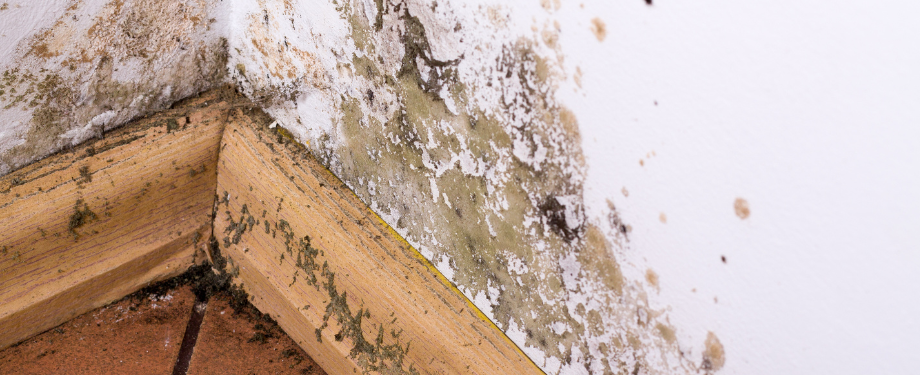
MoldMold is a type of fungus that grows in damp or humid conditi... More can cause significant damage to the aesthetic of the artwork such as:
- Discoloration/Staining
- Deterioration of Pigments and Paper
- Weaken the Paper Fibers
If left untreated, moldMold is a type of fungus that grows in damp or humid conditi... More can spread and exacerbate these issues, ultimately diminishing the artwork’s value and beauty. Beyond the physical damage, moldMold is a type of fungus that grows in damp or humid conditi... More poses health risks to individuals handling or displaying the paintings, as moldMold is a type of fungus that grows in damp or humid conditi... More sporesSpores are microscopic reproductive units of fungi or mold t... More can contribute to respiratory problems and allergic reactions.
How to Remove Mold from Watercolor Paintings
Eliminating moldMold is a type of fungus that grows in damp or humid conditi... More from delicate watercolor paintings is a complex task. It is far more difficult than cleaning a bathtub with a bleach solutionA solution is a homogeneous mixture of two or more substance... More. Removing the mold from a painting must be done with extreme care, so as not to further damage the artwork itself.
1. Know the Material
Watercolor paintings, which are created with water-based paints, are highly fragile. It is important to be familiar with both the medium and material of the painting to determine any potential reactions with the cleaning solutionA solution is a homogeneous mixture of two or more substance... More, such as a mix of commercial rubbing alcohol and water.
2. Apply an Alcohol Solution
The best way to remove moldMold is a type of fungus that grows in damp or humid conditi... More from your artwork is by using an alcohol solutionA solution is a homogeneous mixture of two or more substance... More. Lightly mist the back of the canvas or paper with 70 percent alcohol in water. Opt for commercial rubbing alcohol rather than pure isopropyl alcohol, since the latter is less effective in killing moldMold is a type of fungus that grows in damp or humid conditi... More. An application of rubbing alcohol and water will kill active moldMold is a type of fungus that grows in damp or humid conditi... More sporesSpores are microscopic reproductive units of fungi or mold t... More.
3. Begin Cleaning From the Back
It is preferable to start removing the moldMold is a type of fungus that grows in damp or humid conditi... More from the back of the watercolor painting, as opposed to the front, thereby avoiding damage to the paint. Keep from saturating the painting with the liquid solutionA solution is a homogeneous mixture of two or more substance... More. Instead, as mentioned, lightly mist the surface of the painting to stop the moldMold is a type of fungus that grows in damp or humid conditi... More growth.
If the front of the painting is covered in small moldMold is a type of fungus that grows in damp or humid conditi... More colonies, lightly dab the surface with a cotton swab dipped in the alcohol and water solutionA solution is a homogeneous mixture of two or more substance... More. Be cautious with this approach, however, as the alcohol solutionA solution is a homogeneous mixture of two or more substance... More is a potent solventA solvent is a liquid capable of dissolving other substances... More that can alter or damage the paint surface.
4. Vacuum with a HEPA Filter
When first attempting to clean the moldMold is a type of fungus that grows in damp or humid conditi... More off a watercolor painting, test an inconspicuous area using the alcohol cleaning solutionA solution is a homogeneous mixture of two or more substance... More. Clusters of dry moldMold is a type of fungus that grows in damp or humid conditi... More sporesSpores are microscopic reproductive units of fungi or mold t... More can be lightly brushed away using a soft-bristled brush. Follow using a HEPA-filtered vacuum hose to suction up any remaining moldMold is a type of fungus that grows in damp or humid conditi... More.

Using a HEPA-filtered vacuum is critical since the gadget will trap moldMold is a type of fungus that grows in damp or humid conditi... More sporesSpores are microscopic reproductive units of fungi or mold t... More and prevent them from being released into the air and contaminating other parts of the home. Even dead moldMold is a type of fungus that grows in damp or humid conditi... More sporesSpores are microscopic reproductive units of fungi or mold t... More are dangerous and can cause allergic reactions.
5. Dry the Painting in the Sun
DryingDrying is the process of removing moisture from materials, s... More the watercolor painting afterward is a critical part of the moldMold is a type of fungus that grows in damp or humid conditi... More removal process. Sunlight effectively combats moldMold is a type of fungus that grows in damp or humid conditi... More, while simultaneously dryingDrying is the process of removing moisture from materials, s... More the painting. Although sunlight is known to harm artwork, the length of time the painting is left in the sun is not enough to damage the colors.
Direct sunlight will thoroughly dry the watercolor painting. Set the artwork outside in a sunny spot and on a blanket, towel, or wooden board for two to three days, or until it has completely dried. If indoor dryingDrying is the process of removing moisture from materials, s... More is necessary, lay the painting flat in front of a sunny window.
Cleaning moldMold is a type of fungus that grows in damp or humid conditi... More from artwork should be done carefully. Homeowners who hesitate to handle the task themselves can hire a conservator to treat the moldMold is a type of fungus that grows in damp or humid conditi... More. Conservators are specially trained to apply conservation-approved chemicals to remove moldMold is a type of fungus that grows in damp or humid conditi... More and flatten artwork that has warped.
MoldMold is a type of fungus that grows in damp or humid conditi... More is a pesky nuisance. While homeowners will be horrified to discover valuable watercolor paintings stained with moldMold is a type of fungus that grows in damp or humid conditi... More colonies, moldMold is a type of fungus that grows in damp or humid conditi... More can infest other parts of the home, too. When you are faced with a moldMold is a type of fungus that grows in damp or humid conditi... More invasion, consult the mold remediation experts.
The moldMold is a type of fungus that grows in damp or humid conditi... More removal process starts with an inspectionInspection is the careful examination and assessment of a pr... More to locate all hidden and visible moldMold is a type of fungus that grows in damp or humid conditi... More growth as well as the moisture source. Highly skilled technicians seal the area to prevent airborne sporesSpores are microscopic reproductive units of fungi or mold t... More from spreading and contaminating other rooms. They remove the moldMold is a type of fungus that grows in damp or humid conditi... More and repairRepair is the act of fixing or restoring damaged property, m... More damaged surfaces.
Mold remediationMold remediation is the process of identifying, removing, an... More professionals also efficiently handle textile and clothing restoration, a service that may become necessary after a flood, fire or moldMold is a type of fungus that grows in damp or humid conditi... More infestation. Specialists will pick up the materials, store them at our facility, deodorize them, and perform specialty dry cleaning.

About Vince Sandri
Vince Sandri is a content writer and blogger with more than 12 years of experience. His expertise is in creating content related to disaster restorationRestoration is the process of returning a property to its pr... More, including information about preventing and reacting to natural disasters like floodingFlooding is the overflow or accumulation of water in areas t... More, water damage, fire and smoke damage, moldMold is a type of fungus that grows in damp or humid conditi... More growth, storm damage and more.
Vince has been the main contributor to RestorationMasterFinder.com since 2014. Over that time, he has written numerous service pages and blogs for disaster restorationRestoration is the process of returning a property to its pr... More providers featured on RestorationMasterFinder.com. Vince has done extensive research and covered a wide range of topics relating to disaster restorationRestoration is the process of returning a property to its pr... More to help homeowners, business owners, and property managers better protect their property. He understands the problems that disasters like floodingFlooding is the overflow or accumulation of water in areas t... More, fire, smoke, and moldMold is a type of fungus that grows in damp or humid conditi... More can cause as well as the best ways to respond to these issues to limit the damage.
Vince completed his Bachelor of Arts degree at Aurora University and his master’s degree at DePaul University. He has been writing SEO website pages, blogs, and press releases since 2012. Vince is also a musician and can be seen playing in the Chicago, IL area.