





Can Poor Indoor Air Quality Increase Asthma Attacks?
Asthma, defined.
Asthma is a chronic respiratory disease that makes it difficult to move air in and out of the lungs. The condition causes inflamed airways that produce extra mucus, making it difficult to breathe. It can be developed at any age and is caused by genetics, respiratory infections, allergies, or the environment you were brought up in.
Due to increased sensitivity to the airways, asthma can be triggered by certain environmental conditions. Common triggers for asthma include the weather, dust in the air, chemicals, smoke, and pet dander.
Where does indoor air qualityIndoor air quality (IAQ) refers to the condition of the air ... More (IAQ) come into play?
Several common asthma triggers are indoor air pollutants or other IAQ-related conditions.
Indoor air pollutants consist of chemicals, particles and gasses that can be found within the air and make up your overall air quality. Recommended thresholds for these pollutants are housed under the EPA’s Air Quality Index (AQI), which is an aggregated measure of your air quality’s health based on five indoor air pollutantA Pollutant is a substance that contaminates air, water, or ... More concentrations.
Additionally, things like moldMold is a type of fungus that grows in damp or humid conditi... More trigger asthma because of their effect on the air we breathe. When certain indoor pollutants reach unsafe levels, those with asthma can be at an increased risk of an attack.
IAQ-Related Conditions Linked to Asthma
High Particulate Matter Exposure
Particulate matter (PM) are tiny particles suspended in the air and are categorized by their diameter. The two distinctions are PM2.5 and PM10, whose diameters are less than 2.5 micrometers and less than 10 micrometers, respectively. PM2.5 is often referred to as fine dust particles, while PM10 is referred to as coarse dust particles. Both of which can be inhaled deep into the lungs causing adverse health risks.
In a study exploring the relationship between indoor air pollutionIndoor air pollution refers to the presence of harmful subst... More and asthma in children, particulate matter exposure showed a significant link to increased risk of asthma. For every 10-μg/m3 increase in PM2.5 measured indoors, there was a 7% increase in days of wheezing severe enough to limit speech and a 4% increase in days on which rescue medication was needed.
Sources of Particulate Matter
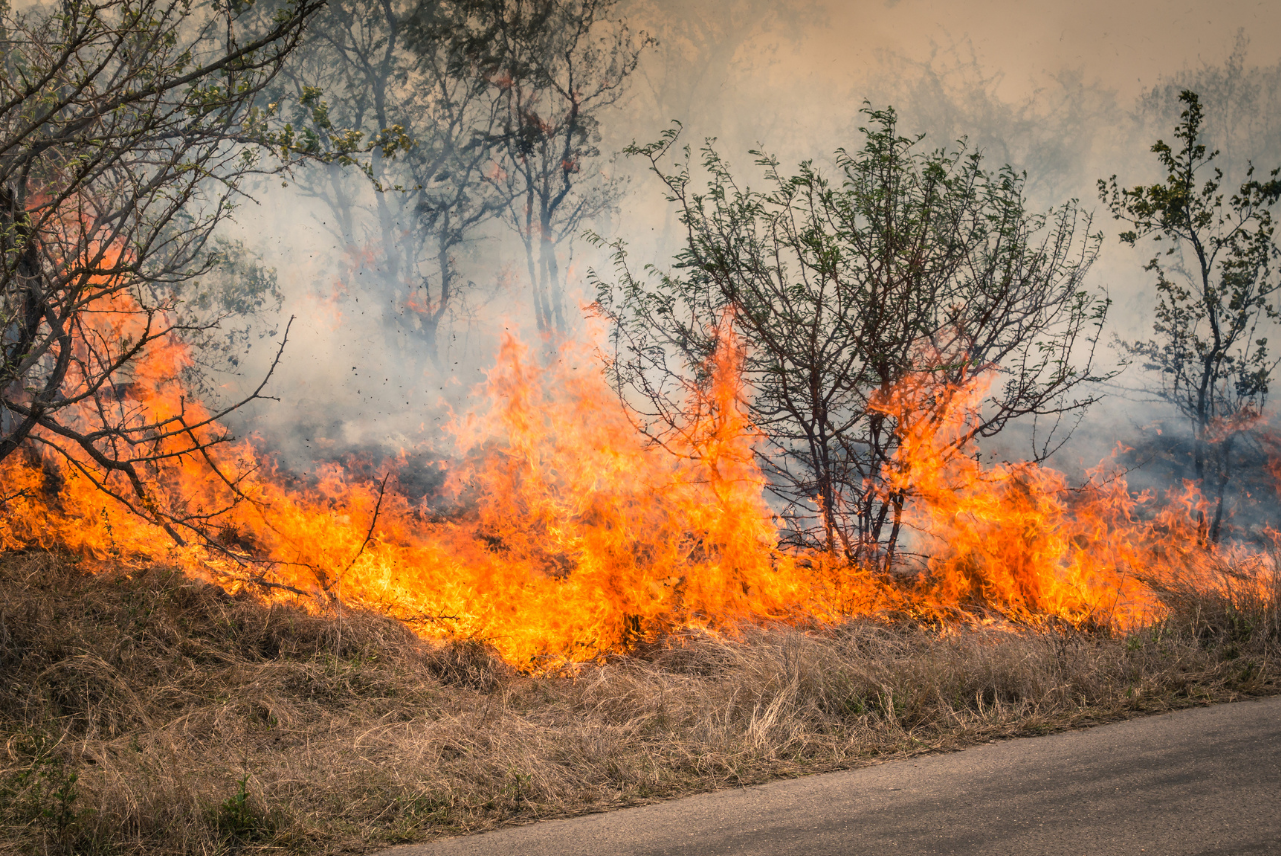
- Outdoor air pollutionPollution is the introduction of harmful substances into the... More: The quality of the outdoor air surrounding your building can have immense effects on indoor air qualityIndoor air quality (IAQ) refers to the condition of the air ... More. Particulates from engine combustion, smoking and other pollution-generating activities can be a large source of pollutionPollution is the introduction of harmful substances into the... More indoors.
- Machinery and Appliances: Certain assets in your building produce particulates as a byproduct of operation. This pollutionPollution is the introduction of harmful substances into the... More can linger in the air and spread via your ventilationVentilation is the process of exchanging or circulating air ... More system, increasing PM concentrations in your occupied spaces.
MoldMold is a type of fungus that grows in damp or humid conditi... More Growth Exposure
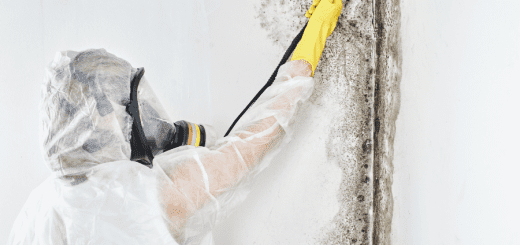
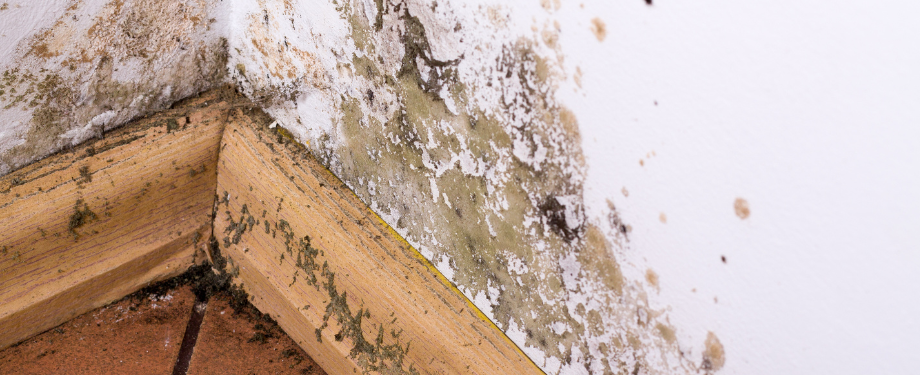
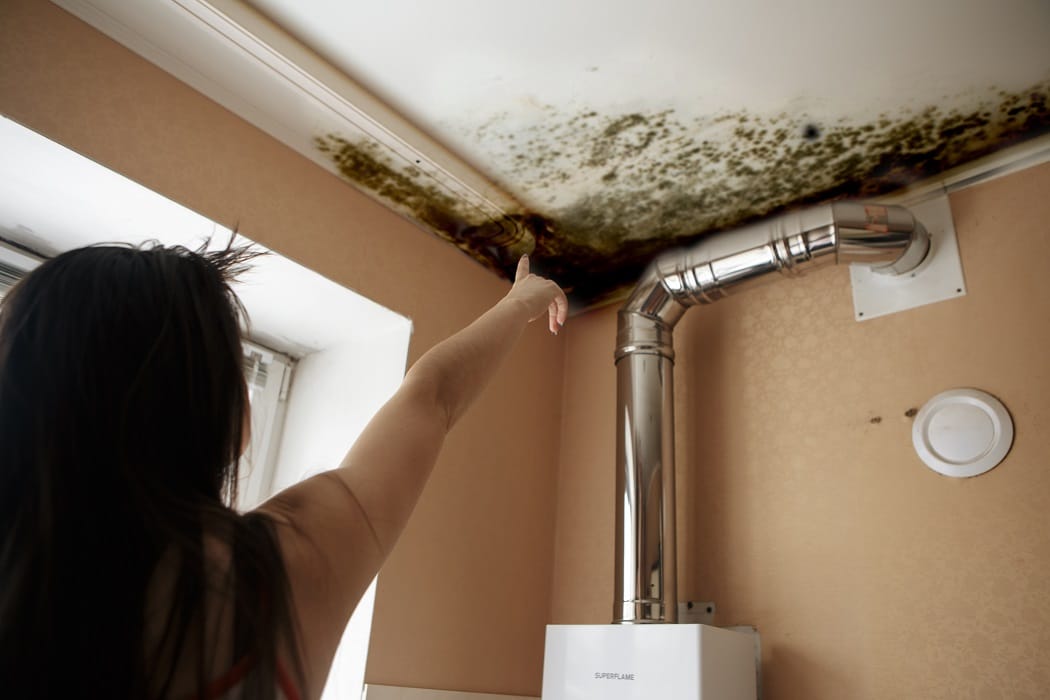
MoldMold is a type of fungus that grows in damp or humid conditi... More grows where there is moisture, typically around leaks and in areas that do not receive enough light. People with asthma can have severe reactions to moldMold is a type of fungus that grows in damp or humid conditi... More exposure due to increased sensitivity in their lungs.
Sources of MoldMold is a type of fungus that grows in damp or humid conditi... More Growth
- Pipes
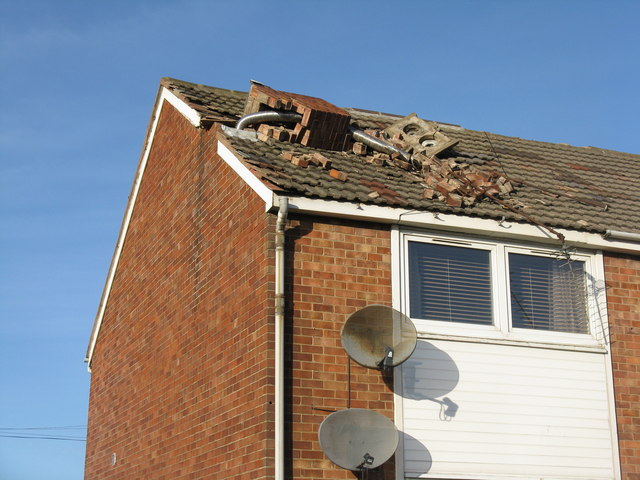
- Roofs
- Windows
Consider getting help from a mold remediation company if you need help with identifying sources of moldMold is a type of fungus that grows in damp or humid conditi... More, cleaning damaged areas, and providing recommendations to limit future moldMold is a type of fungus that grows in damp or humid conditi... More growth.
Indoor Smoking
Believe it or not, some public facilities still allow it – with casinos being the most prominent. Secondhand smoke contains particulates and chemicals that can be severely irritating to those with asthma. Exposure to these pollutants should be minimized for people with asthma, so it is important to ensure smoking and non-smoking rooms are kept separate.
How to Maintain Healthy Indoor Air QualityIndoor air quality (IAQ) refers to the condition of the air ... More
- Ensure proper filtration performance. Upgrading to MERV-13 or the highest compatible filter class for your HVAC system will be more effective in reducing particulate matter.
- Monitor concentration levels. Indoor air quality monitoring is the best way to identify areas in your facility that need attention. With data from your monitors, you can pinpoint the source and resolve the issue.
- Use air purification solutions. Air cleaners that use HEPA filtration are highly efficient at cleaning the air of particulate matter.
- Hire a professional to provide air duct cleaning once every 2-5 years.
Guest contribution from Livia Neistat
“Livia Neistat is a Full Stack Developer with 8+ years of well-rounded experience in development, object-oriented, and user-centered design. Adept at studying system flows and data usage to develop and maintain the software according to production and quality standards. He built products for desktop and mobile app users meeting the highest web & mobile design standards, user experience, best practices, and speed,”