



The Dangers of Mold in Homes
MoldMold is a type of fungus that grows in damp or humid conditi... More is a natural substance that can always be found in the air outdoors and inside of a home. Inactive moldMold is a type of fungus that grows in damp or humid conditi... More sporesSpores are microscopic reproductive units of fungi or mold t... More are harmless, but they become problematic once the sporesSpores are microscopic reproductive units of fungi or mold t... More begin to develop into colonies.
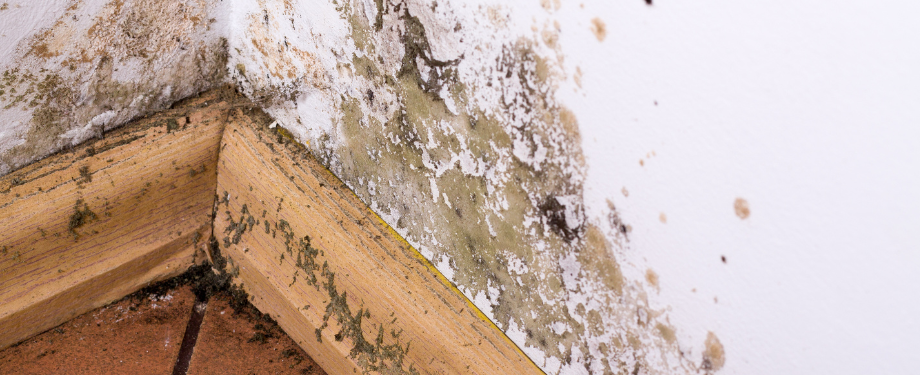
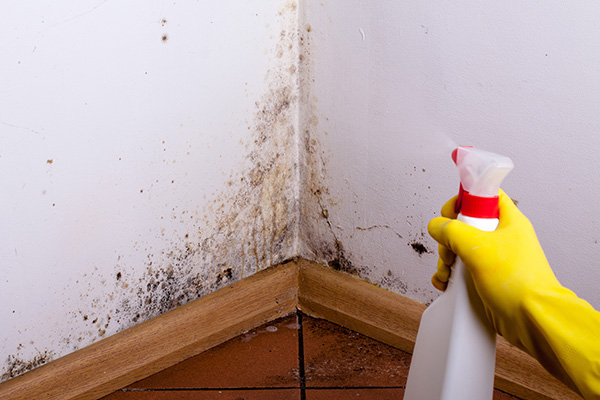
In your home, moldMold is a type of fungus that grows in damp or humid conditi... More growth can appear in fuzzy patches of black, brown, green, or yellow. Not only is moldMold is a type of fungus that grows in damp or humid conditi... More growth unsightly with a musty odorAn odor is a smell, often detectable by the human nose, whic... More, but it can also present various dangers to your property as well as anyone exposed to the fungus. As more time passes, the dangers of moldMold is a type of fungus that grows in damp or humid conditi... More only increase. Knowing this, it is important to address moldMold is a type of fungus that grows in damp or humid conditi... More growth as soon as possible.
Continue reading to learn more about moldMold is a type of fungus that grows in damp or humid conditi... More growth, the dangers it presents, and what to do if you find moldMold is a type of fungus that grows in damp or humid conditi... More growing in your home.
How Does Mold Grow in Homes?
Because mold spores are naturally present in the air, moldMold is a type of fungus that grows in damp or humid conditi... More can grow in your home at nearly any time. All the sporesSpores are microscopic reproductive units of fungi or mold t... More need is the right environment.
For moldMold is a type of fungus that grows in damp or humid conditi... More to grow, it needs an organic food source and a moisture source. When moldMold is a type of fungus that grows in damp or humid conditi... More sporesSpores are microscopic reproductive units of fungi or mold t... More encounter both, they are triggered into forming colonies, which is when they become dangerous.
Due to the need for moisture, moldMold is a type of fungus that grows in damp or humid conditi... More growth is a common occurrence in the aftermath of water damage. PorousPorous describes a material that contains small openings or ... More building materials like drywall and wood, materials moldMold is a type of fungus that grows in damp or humid conditi... More uses as food, absorb the excess water and provide moldMold is a type of fungus that grows in damp or humid conditi... More sporesSpores are microscopic reproductive units of fungi or mold t... More with everything they need to grow.
Common places to find moldMold is a type of fungus that grows in damp or humid conditi... More growing include bathrooms, kitchens, basements, near air conditioning units, and other places where there are high moisture levels.
How is MoldMold is a type of fungus that grows in damp or humid conditi... More Growth Dangerous?
Property Damage
Drywall, wood, and insulationInsulation is a material used in buildings to reduce the tra... More are among the common building materials that moldMold is a type of fungus that grows in damp or humid conditi... More can use as a food source. No matter the material, moldMold is a type of fungus that grows in damp or humid conditi... More will continually damage it as it continues to grow.
When moldMold is a type of fungus that grows in damp or humid conditi... More grows on a surface, it is actually using the material as a food source. The fungus eats away at building materials that contain cellulose, such as wood, drywall, wallpaper, and various furnishings, ruining the material’s structureStructure refers to the framework or components of a buildin... More. Given enough time, the moldMold is a type of fungus that grows in damp or humid conditi... More will have devoured the material enough to cause severe structural damage.
Once moldMold is a type of fungus that grows in damp or humid conditi... More begins to grow in your home, it releases new sporesSpores are microscopic reproductive units of fungi or mold t... More that can spread to different areas of the property and cause damage elsewhere.
Health Problems
In addition to causing property damage, moldMold is a type of fungus that grows in damp or humid conditi... More growth can also cause adverse health effects to anyone who has been exposed to the fungus.
When the moldMold is a type of fungus that grows in damp or humid conditi... More growth distributes new sporesSpores are microscopic reproductive units of fungi or mold t... More into the air, people in your home become exposed to them. They can breathe in the sporesSpores are microscopic reproductive units of fungi or mold t... More, which can have harmful effects on their respiratory system. This can then cause people to suffer from various health concerns.
Some moldMold is a type of fungus that grows in damp or humid conditi... More symptoms people may experience include headaches, coughing, nasal congestion, itchy eyes, sore throat, skin irritation, and other allergy-like symptoms. With prolonged exposure, these moldMold is a type of fungus that grows in damp or humid conditi... More symptoms worsen.
How a person reacts to moldMold is a type of fungus that grows in damp or humid conditi... More exposure, however, can be dependent on various factors, such as their age and health condition. For example, one person may develop a mild cough after being exposed to moldMold is a type of fungus that grows in damp or humid conditi... More, but someone else in the same home can suffer from coughing, nasal congestion, and an itchy throat. In more severe cases, moldMold is a type of fungus that grows in damp or humid conditi... More symptoms can include breathing problems, fatigue, nausea, and sinus infections.
People who have asthma, a moldMold is a type of fungus that grows in damp or humid conditi... More allergy, or a weak immune system are among those individuals who may experience more serious symptoms. The moldMold is a type of fungus that grows in damp or humid conditi... More exposure may also worsen their condition.
Knowing this, it is impe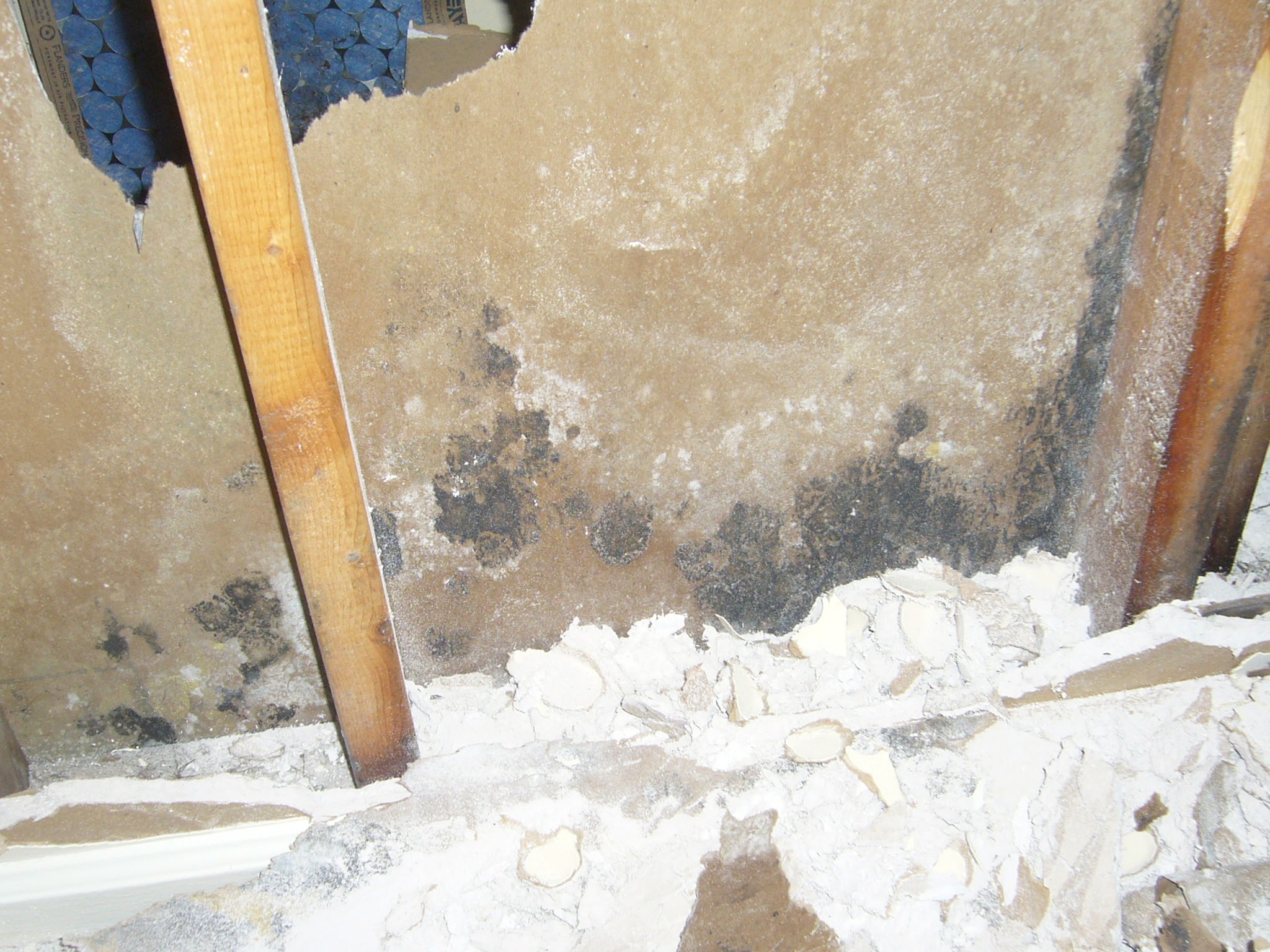 rative that you seek moldMold is a type of fungus that grows in damp or humid conditi... More removal help as soon as you notice moldMold is a type of fungus that grows in damp or humid conditi... More growing in your home.
How Do I Remove Mold from My Home?
If you notice moldMold is a type of fungus that grows in damp or humid conditi... More in your home, it should be removed promptly to minimize the amount of harm it can cause your property and reduce the health risks to you and your family. While there are home remedies you can use to eliminate the moldMold is a type of fungus that grows in damp or humid conditi... More, it is always best for moldMold is a type of fungus that grows in damp or humid conditi... More removal to be handled by professionals. More so, professional moldMold is a type of fungus that grows in damp or humid conditi... More removal is recommended for large cases of moldMold is a type of fungus that grows in damp or humid conditi... More and for those who have a moldMold is a type of fungus that grows in damp or humid conditi... More sensitivity.
Furthermore, if you use improper methods to remove moldMold is a type of fungus that grows in damp or humid conditi... More from your home, not only will it be ineffective, but it could also worsen the moldMold is a type of fungus that grows in damp or humid conditi... More situation.
Knowing this, it is in everyone’s best interest to seek help from professional mold remediation services when moldMold is a type of fungus that grows in damp or humid conditi... More has grown in your home.
Professional moldMold is a type of fungus that grows in damp or humid conditi... More technicians have the necessary training, knowledge, and equipment to thoroughly remove moldMold is a type of fungus that grows in damp or humid conditi... More from your home in a safe, effective manner. First, the moldMold is a type of fungus that grows in damp or humid conditi... More will be contained to prevent it from spreading elsewhere. Then, they will find and repairRepair is the act of fixing or restoring damaged property, m... More the moisture source that triggered the moldMold is a type of fungus that grows in damp or humid conditi... More growth. From there, moldMold is a type of fungus that grows in damp or humid conditi... More will be removed, and affected surfaces will be cleaned.
With professional mold remediationMold remediation is the process of identifying, removing, an... More help, you do not need to expose yourself to the moldMold is a type of fungus that grows in damp or humid conditi... More further, and your home will be restored to a clean, safe living space yet again.

About Vince Sandri
Vince Sandri is a content writer and blogger with more than 12 years of experience. His expertise is in creating content related to disaster restorationRestoration is the process of returning a property to its pr... More, including information about preventing and reacting to natural disasters like floodingFlooding is the overflow or accumulation of water in areas t... More, water damage, fire and smoke damage, moldMold is a type of fungus that grows in damp or humid conditi... More growth, storm damage and more.
Vince has been the main contributor to RestorationMasterFinder.com since 2014. Over that time, he has written numerous service pages and blogs for disaster restorationRestoration is the process of returning a property to its pr... More providers featured on RestorationMasterFinder.com. Vince has done extensive research and covered a wide range of topics relating to disaster restorationRestoration is the process of returning a property to its pr... More to help homeowners, business owners, and property managers better protect their property. He understands the problems that disasters like floodingFlooding is the overflow or accumulation of water in areas t... More, fire, smoke, and moldMold is a type of fungus that grows in damp or humid conditi... More can cause as well as the best ways to respond to these issues to limit the damage.
Vince completed his Bachelor of Arts degree at Aurora University and his master’s degree at DePaul University. He has been writing SEO website pages, blogs, and press releases since 2012. Vince is also a musician and can be seen playing in the Chicago, IL area.