


Wall Covering
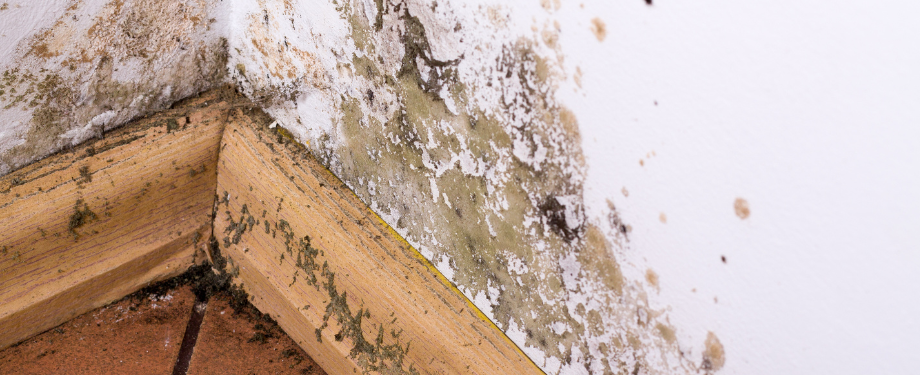
A wall covering is a decorative or protective material, such as paint, wallpaper, or paneling, applied to interior walls. During restoration, damaged wall coverings may need to be removed, cleaned, or replaced after water...

Find a Local Service Provider
When disaster strikes, whether it’s a flood, fire, storm, or hazardous spill, the aftermath can be overwhelming. For many home and business owners, navigating the recovery process comes with not only physical and emotional challenges but also a flood of unfamiliar industry terms. Understanding the language of disaster restoration is key to making informed decisions, communicating effectively with professionals, and regaining peace of mind throughout the recovery journey.
To help simplify the process, we’ve put together a glossary of common disaster restoration terms. This resource is designed to give you clear, straightforward definitions so you can better understand the services being offered, the steps involved in restoration, and the measures that keep your property and health protected.
A wall covering is a decorative or protective material, such as paint, wallpaper, or paneling, applied to interior walls. During restoration, damaged wall coverings may need to be removed, cleaned, or replaced after water...
Warping is the bending, twisting, or distortion of materials—such as wood, flooring, or drywall—caused by uneven moisture absorption or temperature changes.
Wastewater is used water that contains contaminants, chemicals, or debris, often generated during cleaning, flooding, or sewage backups and requiring safe disposal.
Water damage restoration is the professional process of cleaning, drying, repairing, and restoring properties affected by water intrusion from leaks, floods, or storms.
Water migration is the movement of water through materials or building structures, often unseen, which can lead to hidden moisture damage or mold growth.
A watermark is a visible stain or discoloration left on surfaces like walls, ceilings, or paper after contact with water.
Waterproofing is the application of materials or coatings designed to make surfaces resistant to water penetration, helping prevent leaks and moisture damage.
Wet/dry vacuum cleaners are versatile vacuum machines capable of picking up both liquids and solids, commonly used in restoration to remove standing water and debris.
To winterize is the process of preparing a building, plumbing system, or equipment for freezing temperatures to prevent damage from ice, burst pipes, or moisture buildup.
 (888) 782-0519


