




Maintenance
Maintenance is the routine care, inspection, and repair of a property or equipment to ensure it remains in good working condition. In disaster restoration, proper maintenance can help prevent damage from water, fire, mold,...

Find a Local Service Provider
When disaster strikes, whether it’s a flood, fire, storm, or hazardous spill, the aftermath can be overwhelming. For many home and business owners, navigating the recovery process comes with not only physical and emotional challenges but also a flood of unfamiliar industry terms. Understanding the language of disaster restoration is key to making informed decisions, communicating effectively with professionals, and regaining peace of mind throughout the recovery journey.
To help simplify the process, we’ve put together a glossary of common disaster restoration terms. This resource is designed to give you clear, straightforward definitions so you can better understand the services being offered, the steps involved in restoration, and the measures that keep your property and health protected.
Maintenance is the routine care, inspection, and repair of a property or equipment to ensure it remains in good working condition. In disaster restoration, proper maintenance can help prevent damage from water, fire, mold,...
Masking is the process of covering or protecting surfaces to prevent them from being damaged, painted, or contaminated during restoration or construction work. In disaster restoration, masking helps safeguard walls, furniture, and fixtures while...
Masonry is the craft or construction of structures using materials such as brick, stone, concrete, or mortar. In disaster restoration, masonry may require inspection, repair, or rebuilding after damage from water, fire, or structural...
Material Safety Data Sheets (MSDS) are documents that provide detailed information about chemicals, including hazards, safe handling, storage, and emergency procedures. They are essential in disaster restoration for worker safety when using cleaning agents...
Maximum Contamination Level (MCL) is the highest level of a contaminant allowed in water or other substances by regulatory agencies to ensure safety. In restoration, MCLs guide the acceptable limits of pollutants in water-damaged...
A mechanical contractor is a professional or company responsible for installing and maintaining mechanical systems such as HVAC, plumbing, or refrigeration. In disaster restoration, mechanical contractors may repair or replace systems damaged by water...
Microbes are microscopic organisms, including bacteria, fungi, and viruses, that can affect health or damage materials. In disaster restoration, controlling microbes is crucial to prevent infection and contamination.
Microbial volatile organic compounds (MVOCs) are gases produced by mold or other microorganisms during growth, often causing musty odors. Detecting MVOCs can help identify hidden mold contamination in buildings.
A microorganism is any organism too small to be seen with the naked eye, such as bacteria, viruses, or fungi. In restoration, microorganisms are often the target of cleaning and remediation efforts.
Migration is the movement of water, contaminants, or air from one area to another. In restoration, preventing migration is important to stop water or mold from spreading to unaffected areas.
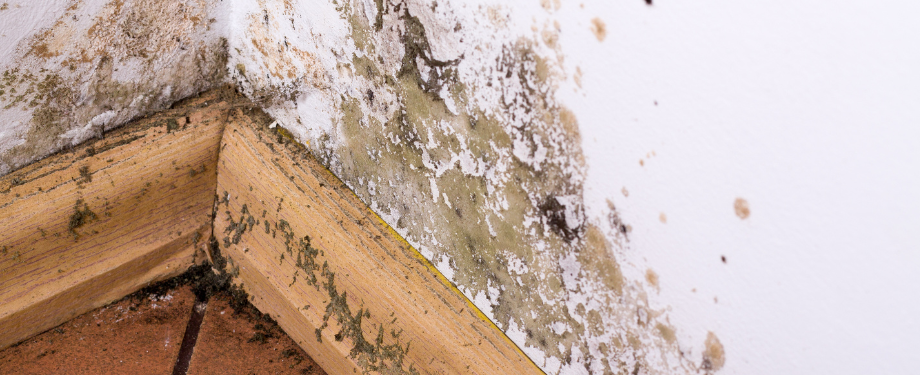
Mildew is a type of fungus that grows on damp surfaces, typically appearing as a thin, powdery, or patchy growth. Mildew can cause discoloration, odors, and potential health issues if not removed.
Mineral deposits are solid residues left behind when water evaporates, often appearing as white or chalky buildup. In disaster restoration, mineral deposits can indicate water damage or leaks and may require cleaning or removal.
To mitigate is to reduce or limit the severity of damage, risk, or harm. In restoration, mitigation involves immediate actions to prevent further property damage after incidents like flooding or fire.
Mitigation in construction is the process of planning and implementing measures during construction to reduce potential future damage or hazards. Examples include waterproofing, fireproofing, or moisture barriers.
Mobilization is the process of preparing and deploying personnel, equipment, and materials to a job site. In disaster restoration, mobilization ensures a rapid response to emergencies like floods or fires.
Moisture content is the amount of water present in a material, typically expressed as a percentage of its weight. Monitoring moisture content is critical in restoration to prevent mold growth and structural damage.
A moisture meter is a device used to measure the moisture level in building materials. Moisture meters help restoration professionals determine the extent of water damage and track drying progress.
Mold is a type of fungus that grows in damp or humid conditions, producing spores that can affect health and damage materials. Mold is a common target in disaster restoration after water intrusion.
Mold remediation is the process of identifying, removing, and preventing mold growth in a building. It includes cleaning, disinfecting, and repairing affected areas to restore a safe environment.
Monitoring is the ongoing observation and measurement of conditions, such as moisture, air quality, or structural integrity. In restoration, monitoring ensures that mitigation and drying processes are effective.
Mycotoxins are toxic substances produced by certain types of mold. Mycotoxins can pose serious health risks, making their detection and removal important in mold remediation.
 (888) 782-0519


