




Sanitizers
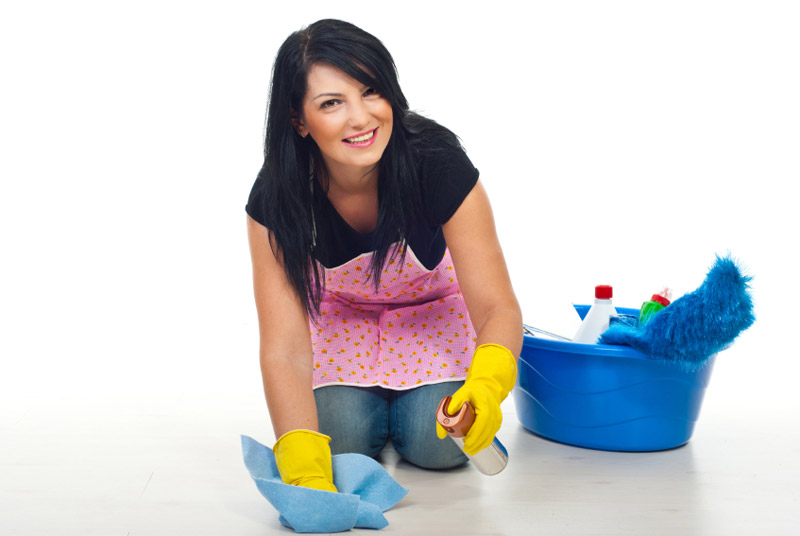
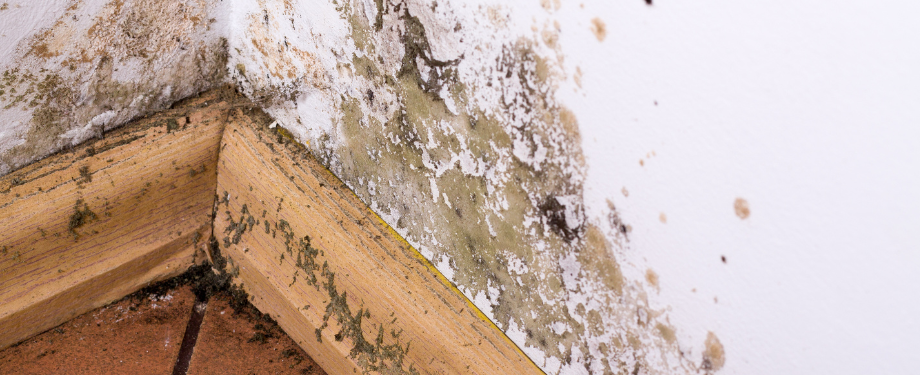
Sanitizers are chemical agents used to reduce bacteria and microorganisms on surfaces to safe levels. In restoration, sanitizers are applied after cleaning to prevent mold, mildew, and contamination.

Find a Local Service Provider
When disaster strikes, whether it’s a flood, fire, storm, or hazardous spill, the aftermath can be overwhelming. For many home and business owners, navigating the recovery process comes with not only physical and emotional challenges but also a flood of unfamiliar industry terms. Understanding the language of disaster restoration is key to making informed decisions, communicating effectively with professionals, and regaining peace of mind throughout the recovery journey.
To help simplify the process, we’ve put together a glossary of common disaster restoration terms. This resource is designed to give you clear, straightforward definitions so you can better understand the services being offered, the steps involved in restoration, and the measures that keep your property and health protected.
Sanitizers are chemical agents used to reduce bacteria and microorganisms on surfaces to safe levels. In restoration, sanitizers are applied after cleaning to prevent mold, mildew, and contamination.
Saturation is the point at which a material or environment can no longer absorb additional moisture. In restoration, identifying saturation levels helps determine drying time and methods.
Scope of work is a detailed description outlining the tasks, materials, and methods required to complete a restoration or remediation project.
A secondary container is a labeled container used to store or transfer hazardous substances from their original packaging, ensuring safety and regulatory compliance.
Secondary damage is additional damage that occurs after the initial incident, often due to delayed mitigation—such as mold growth or corrosion from lingering moisture.
Seepage is the slow movement of water or other fluids through porous materials, such as walls or foundations, often leading to hidden water damage.
Septage is wastewater and solids removed from septic tanks, which can pose health hazards and require specialized cleanup after overflows or leaks.
Sequence is the specific order or progression of steps taken during a restoration or remediation process to ensure efficiency and effectiveness.
Sewage is wastewater containing biological and chemical contaminants from toilets, drains, and sewers that poses serious health risks and requires professional cleanup.
Sheet vinyl flooring is a continuous, flexible flooring material made of vinyl, often water-resistant and commonly found in kitchens and bathrooms.
Sludge is a thick, semi-solid material composed of water, waste, and debris, often found after sewage backups or flooding.
Smoke residue is the fine, oily, or powdery particles left behind after a fire, which can cling to surfaces and require specialized cleaning.
Smoke stains are discoloration or marks left on walls, ceilings, or contents from smoke exposure after a fire.
A solution is a homogeneous mixture of two or more substances, commonly used in cleaning or chemical treatments during restoration.
A solvent is a liquid capable of dissolving other substances, often used to remove stains, grease, or residues in cleaning and restoration.
Soot is fine black particles composed of carbon and other materials produced by incomplete combustion during a fire.
A sponge is a porous material used to absorb liquids or clean surfaces; in restoration, specialized chemical sponges remove soot and residues.
Spores are microscopic reproductive units of fungi or mold that can spread through the air and grow on moist surfaces.
A sporicide is a disinfectant specifically formulated to kill fungal spores and prevent mold growth.
A squeegee is a tool with a flat rubber blade used to remove liquids from surfaces during cleaning or water extraction.
Stachybotrys is a type of black mold (often called “black toxic mold”) that thrives on wet materials with high cellulose content, such as drywall or paper.
A sterilizer is a device or chemical that destroys all forms of microbial life, including bacteria, viruses, and spores.
A stress crack is a fracture or split in building materials caused by pressure, temperature changes, or structural movement.
Structure refers to the framework or components of a building, including walls, floors, and roofs, that may require repair or restoration after damage.
A subcontractor is a professional or company hired by the main contractor to perform specific tasks or specialized work during a restoration project.
The subfloor is the foundational layer beneath flooring materials that provides structural support and may need drying or repair after water damage.
Submersible pumps are electric pumps designed to operate underwater. They are used for removing standing water during flood or sewage cleanup.
Subsurface drying is a drying technique that targets moisture trapped beneath floors or within structural materials without full removal.
A subsurface flood extractor is specialized equipment used to remove water from beneath carpet, padding, or flooring without requiring total demolition.
A sump pump is a pump installed in a basement or crawlspace to remove accumulated groundwater and prevent flooding.
 (888) 782-0519


