RestorationMaster Cleaning and Restoration Guides and Tips
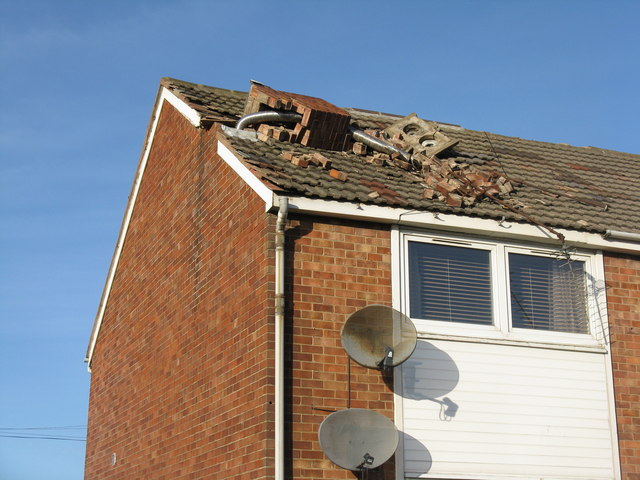
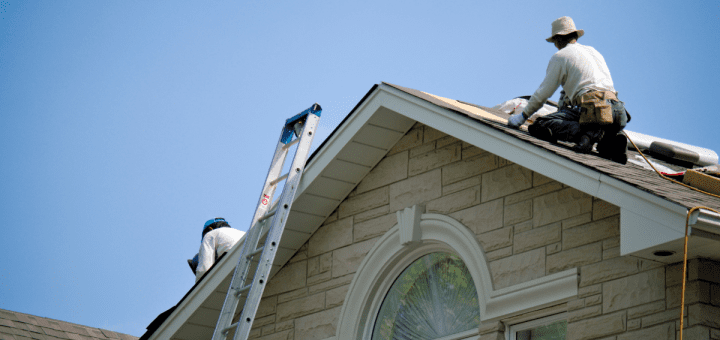
A well-fortified home can resist much of the impact of hurricanes. Building one requires a significant investment, depending on the level of resistance desired. However, no matter how much investment is made, no home...
Discovering signs of water damage can be a nightmare for homeowners. What’s visible might only be the tip of the iceberg, concealing a far more extensive issue beneath the surface. Fortunately, newer water damage...
As the winter season quickly approaches, we are reminded of family get-togethers, good food, holidays, and the end of another year. However, one thing not mentioned enough is the propensity of the pipes in...
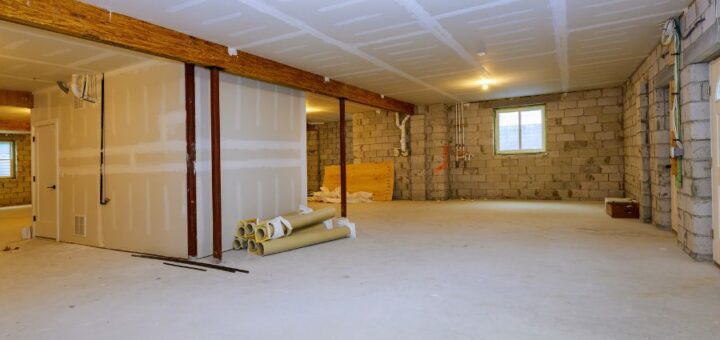
Experiencing a flood in your basement can be incredibly stressful. Beyond the immediate cleanup and water damage, one of the most frustrating challenges homeowners face is the lingering musty odor that sticks around for...
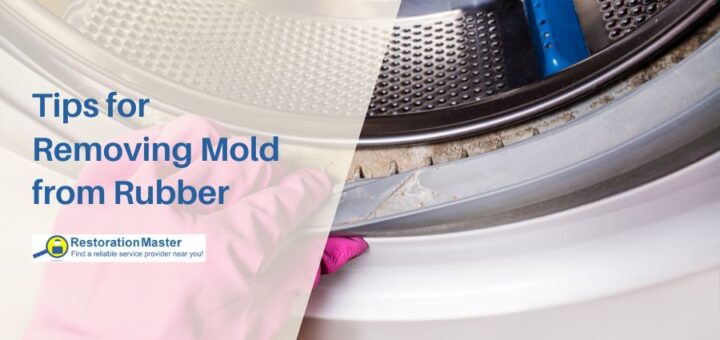
If you notice mold on rubber within your home or business, make sure to react right away and get it removed so you can ensure it does not continue to spread and cause further damage.
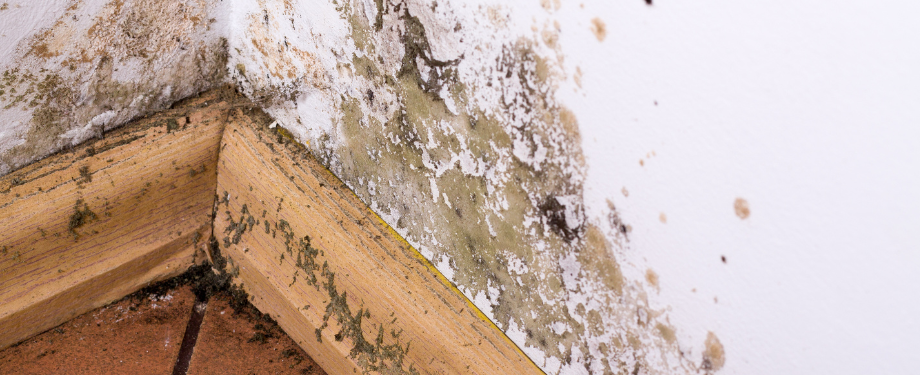
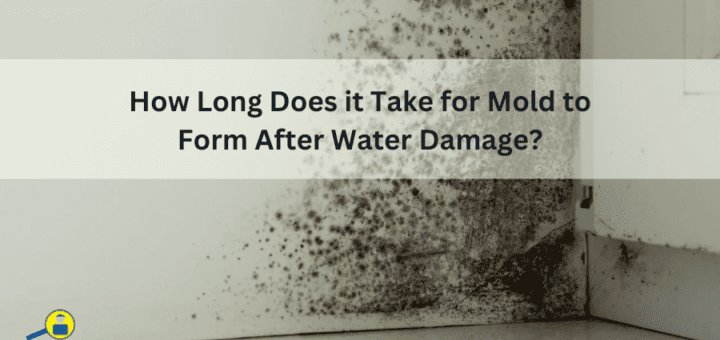
Mold is abundant in the natural environment, and the spores are no stranger to indoor areas. When water damage strikes, mold can develop rapidly, often within 24 to 48 hours. Water damage creates an...
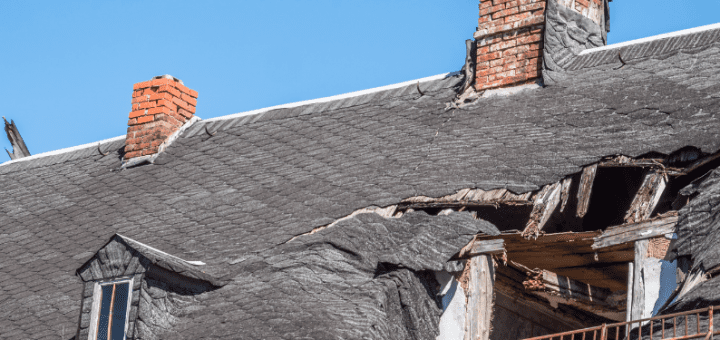
Natural disasters can devastate entire communities and leave homeowners needing to make major decisions in relatively short periods of time. Reconstructing the home in the immediate aftermath of a disaster is one important question...
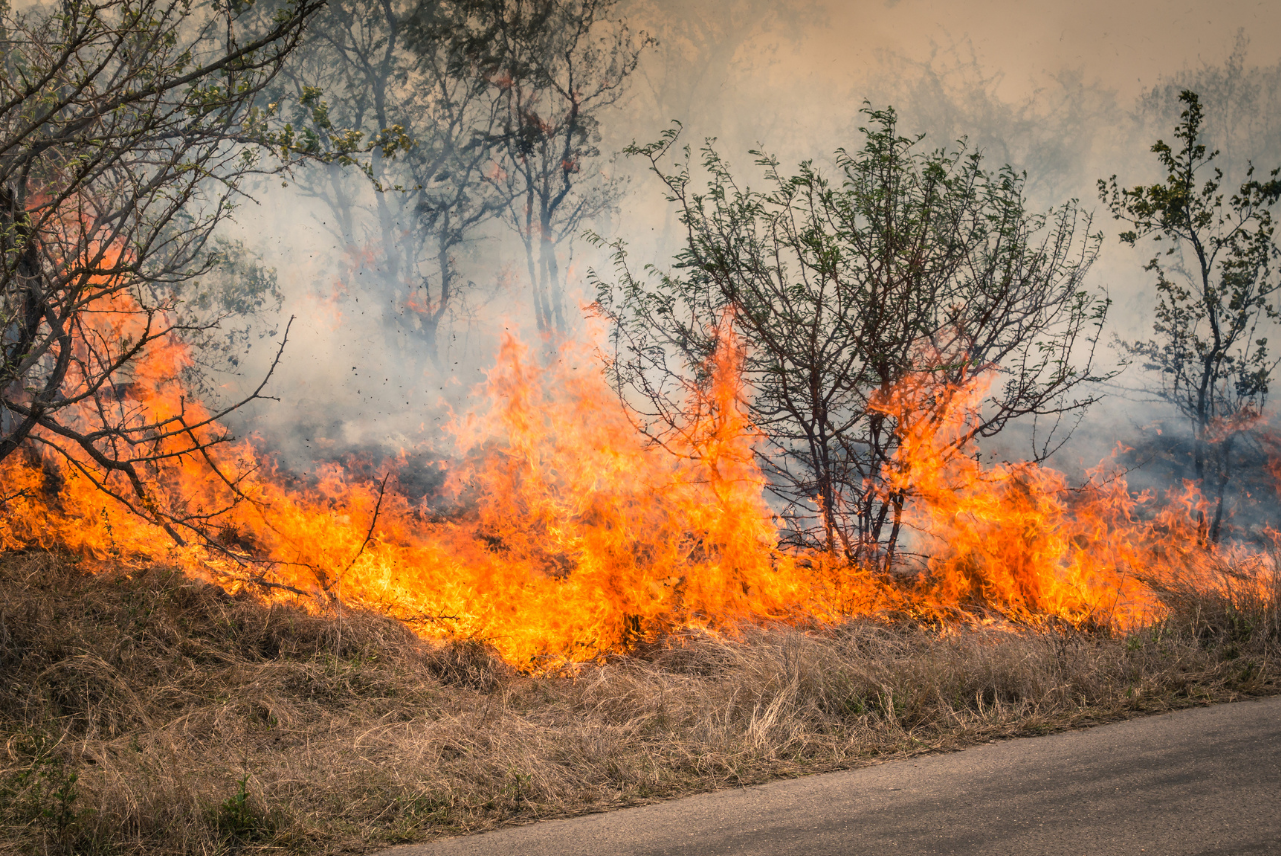
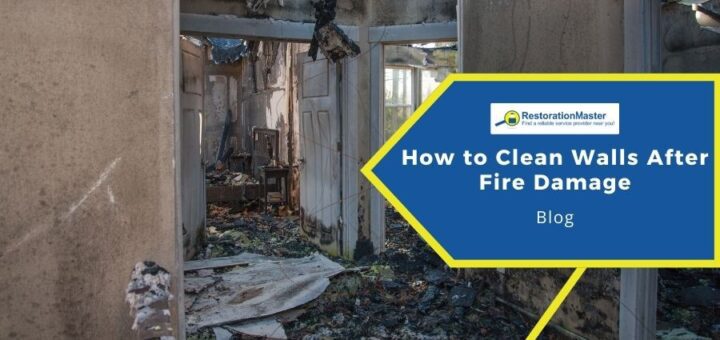
Experiencing a fire in your home or business is both devastating and overwhelming. Fires don’t just consume belongings; they leave behind smoke and soot, which can cause extensive and long-lasting damage. For instance, electrical...
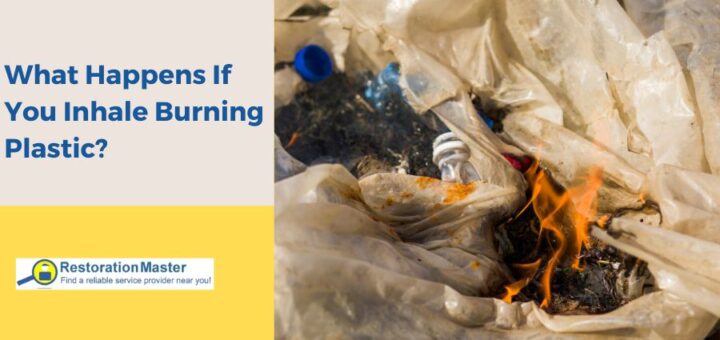
Plastic releases several harmful chemicals including hydrochloric acid, dioxins, furans, and sulfur dioxide when burned. If you ever accidentally come in contact with burning plastic, you may be wondering “what are the potential health...
Washing machines utilize lots of water. In fact, the standard washing machine, one that is not high-efficiency, pushes 19 gallons of water per load. It’s inevitable that the appliance may start to leak at some point. Here’s what to do when water leaks from behind the washing machine.