



Lichen
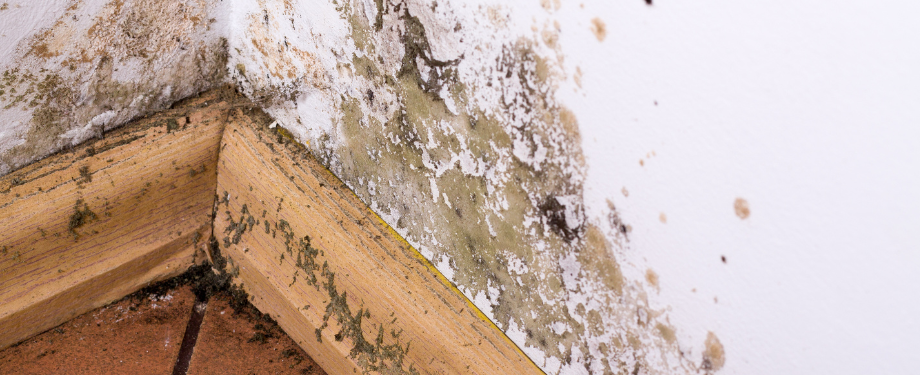
Lichen is a symbiotic organism made up of a fungus and an algae or cyanobacteria living together. In disaster restoration and property maintenance, lichen growth on roofs, walls, or other surfaces can indicate moisture...

Find a Local Service Provider
When disaster strikes, whether it’s a flood, fire, storm, or hazardous spill, the aftermath can be overwhelming. For many home and business owners, navigating the recovery process comes with not only physical and emotional challenges but also a flood of unfamiliar industry terms. Understanding the language of disaster restoration is key to making informed decisions, communicating effectively with professionals, and regaining peace of mind throughout the recovery journey.
To help simplify the process, we’ve put together a glossary of common disaster restoration terms. This resource is designed to give you clear, straightforward definitions so you can better understand the services being offered, the steps involved in restoration, and the measures that keep your property and health protected.
Lichen is a symbiotic organism made up of a fungus and an algae or cyanobacteria living together. In disaster restoration and property maintenance, lichen growth on roofs, walls, or other surfaces can indicate moisture...
Linoleum flooring is a durable, water-resistant flooring material made from natural ingredients like linseed oil, cork dust, and wood flour, often used in kitchens and commercial spaces. In disaster restoration, linoleum can be susceptible...
Maintenance is the routine care, inspection, and repair of a property or equipment to ensure it remains in good working condition. In disaster restoration, proper maintenance can help prevent damage from water, fire, mold,...
Masking is the process of covering or protecting surfaces to prevent them from being damaged, painted, or contaminated during restoration or construction work. In disaster restoration, masking helps safeguard walls, furniture, and fixtures while...
Masonry is the craft or construction of structures using materials such as brick, stone, concrete, or mortar. In disaster restoration, masonry may require inspection, repair, or rebuilding after damage from water, fire, or structural...
Material Safety Data Sheets (MSDS) are documents that provide detailed information about chemicals, including hazards, safe handling, storage, and emergency procedures. They are essential in disaster restoration for worker safety when using cleaning agents...
Maximum Contamination Level (MCL) is the highest level of a contaminant allowed in water or other substances by regulatory agencies to ensure safety. In restoration, MCLs guide the acceptable limits of pollutants in water-damaged...
A mechanical contractor is a professional or company responsible for installing and maintaining mechanical systems such as HVAC, plumbing, or refrigeration. In disaster restoration, mechanical contractors may repair or replace systems damaged by water...
Microbes are microscopic organisms, including bacteria, fungi, and viruses, that can affect health or damage materials. In disaster restoration, controlling microbes is crucial to prevent infection and contamination.
Microbial volatile organic compounds (MVOCs) are gases produced by mold or other microorganisms during growth, often causing musty odors. Detecting MVOCs can help identify hidden mold contamination in buildings.
 (888) 782-0519


