




Grease Fire
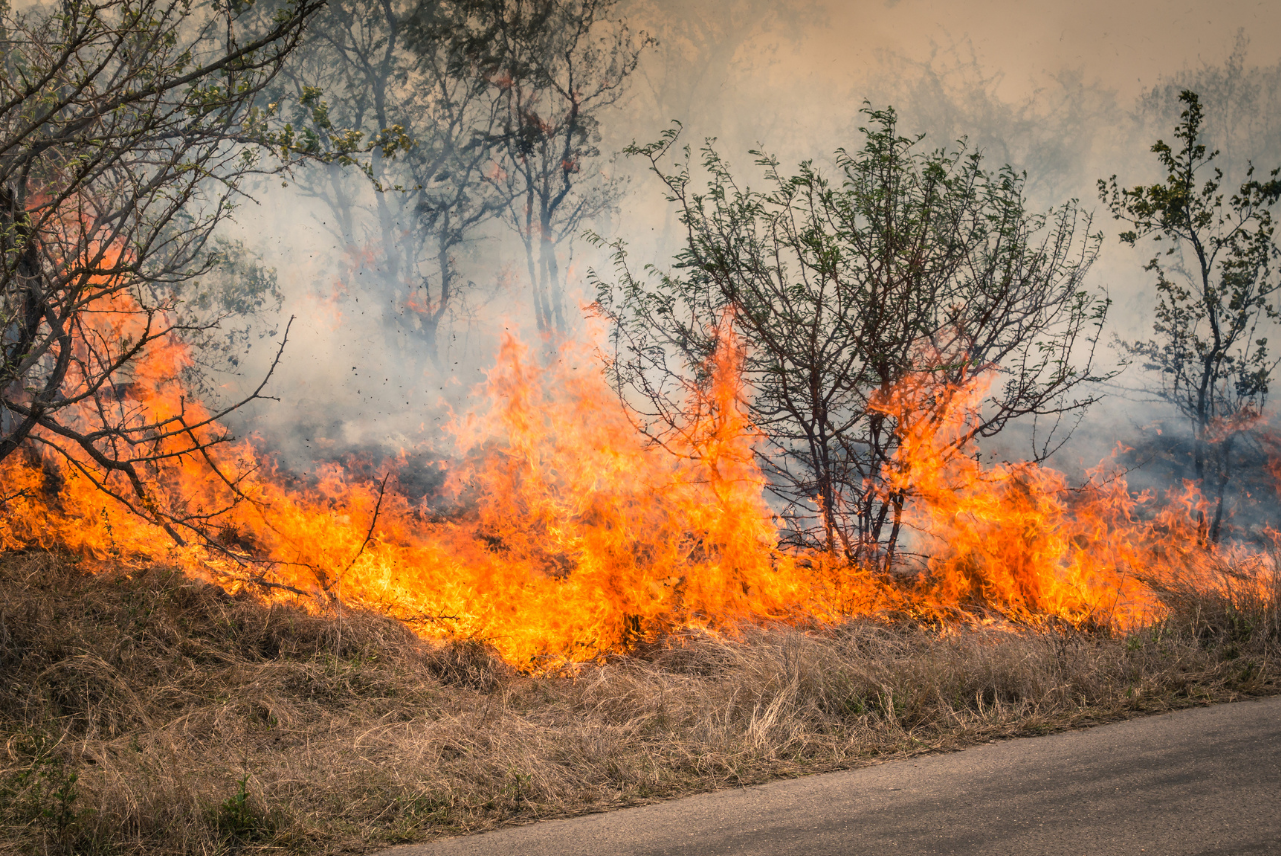
A grease fire is a fire that occurs when cooking oils or fats become overheated and ignite, typically in a kitchen setting. These fires can spread quickly, and they are dangerous because using water...

Find a Local Service Provider
When disaster strikes, whether it’s a flood, fire, storm, or hazardous spill, the aftermath can be overwhelming. For many home and business owners, navigating the recovery process comes with not only physical and emotional challenges but also a flood of unfamiliar industry terms. Understanding the language of disaster restoration is key to making informed decisions, communicating effectively with professionals, and regaining peace of mind throughout the recovery journey.
To help simplify the process, we’ve put together a glossary of common disaster restoration terms. This resource is designed to give you clear, straightforward definitions so you can better understand the services being offered, the steps involved in restoration, and the measures that keep your property and health protected.
A grease fire is a fire that occurs when cooking oils or fats become overheated and ignite, typically in a kitchen setting. These fires can spread quickly, and they are dangerous because using water...
Groundwater is water that exists beneath the earth’s surface, filling the spaces in soil, sand, and rock formations. In disaster restoration, groundwater can contribute to flooding or water damage when it rises into basements,...
Homeowner’s insurance is a policy that provides financial protection for a home and its contents against risks such as fire, theft, water damage, and natural disasters. In disaster restoration, homeowner’s insurance can help cover...
A homeowner’s insurance claim is a formal request made to an insurance company for compensation after damage or loss occurs to a home or its contents. In disaster restoration, filing a claim helps homeowners...
Humidity is the amount of moisture or water vapor present in the air. In disaster restoration, controlling humidity is essential because high levels can promote mold growth, slow the drying of water-damaged materials, and...
Impervious cover refers to surfaces that do not allow water to pass through, such as concrete, asphalt, or rooftops. In disaster restoration and water management, impervious surfaces can increase runoff and flooding risks because...
An incident is an event or occurrence that causes damage, disruption, or poses a risk to people, property, or the environment. In disaster restoration, an incident can include situations like fires, floods, storms, or...
Incidental damages are secondary or indirect damages that occur as a result of a primary event, such as water or fire damage. In disaster restoration, these can include things like ruined personal belongings, temporary...
An independent adjuster is a licensed professional who evaluates insurance claims on behalf of an insurance company but is not a direct employee of that company. In disaster restoration, they assess property damage, determine...
Indoor air pollution refers to the presence of harmful substances, such as dust, mold spores, chemicals, or smoke, in the air inside a building. In disaster restoration, controlling indoor air pollution is critical to...
 (888) 782-0519


