




Toxic Molds
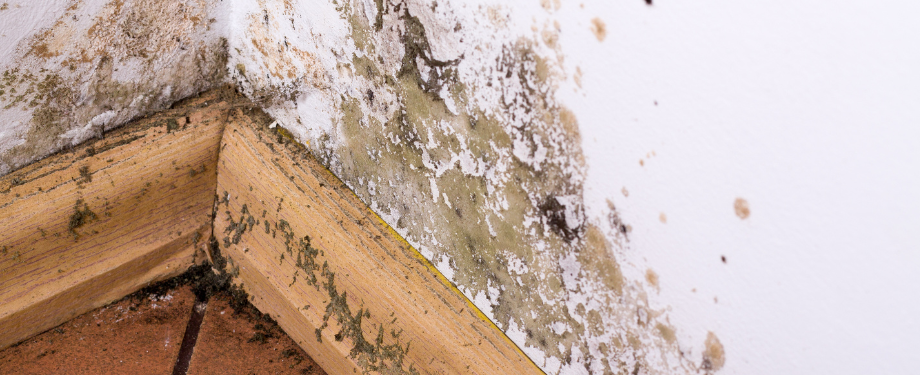
Toxic molds are types of molds that produce mycotoxins, which can be hazardous to human health when inhaled or touched. Common toxic molds include Stachybotrys chartarum, Aspergillus, and Penicillium species.

Find a Local Service Provider
When disaster strikes, whether it’s a flood, fire, storm, or hazardous spill, the aftermath can be overwhelming. For many home and business owners, navigating the recovery process comes with not only physical and emotional challenges but also a flood of unfamiliar industry terms. Understanding the language of disaster restoration is key to making informed decisions, communicating effectively with professionals, and regaining peace of mind throughout the recovery journey.
To help simplify the process, we’ve put together a glossary of common disaster restoration terms. This resource is designed to give you clear, straightforward definitions so you can better understand the services being offered, the steps involved in restoration, and the measures that keep your property and health protected.
Toxic molds are types of molds that produce mycotoxins, which can be hazardous to human health when inhaled or touched. Common toxic molds include Stachybotrys chartarum, Aspergillus, and Penicillium species.
Toxic substances are chemicals or materials that can cause harm to living organisms through exposure, ingestion, or inhalation. In restoration, these include cleaning agents, asbestos, or mold byproducts requiring specialized handling.
Trim is the decorative or functional molding used to finish edges, walls, doors, and windows. During restoration, trim may need removal, cleaning, or replacement if damaged by water, fire, or smoke.
An ultra-low volume (ULV) mister is a device that disperses disinfectants, deodorizers, or antimicrobial agents in extremely fine droplets to treat large areas efficiently. It’s commonly used in restoration to sanitize air and surfaces...
Ultrasonic cleaning is a cleaning method that uses high-frequency sound waves in a liquid solution to remove dirt, soot, and contaminants from delicate or intricate items. It’s often used in contents restoration for electronics,...
Ultraviolet (UV) light is a type of electromagnetic radiation used in restoration for sterilizing air, water, and surfaces by killing bacteria, viruses, and mold spores.
To unclog is to clear obstructions from pipes, drains, or equipment to restore proper flow or operation.
Universal precautions are a set of safety practices designed to prevent exposure to bloodborne pathogens and infectious materials by treating all bodily fluids as potentially hazardous.
Unsalvageable items or materials are too damaged, contaminated, or degraded to be effectively cleaned, repaired, or restored.
Unsanitary water is water contaminated with harmful microorganisms, chemicals, or waste, such as from floods, sewage backups, or stormwater, that poses health risks and requires professional remediation.
 (888) 782-0519


