





Structure
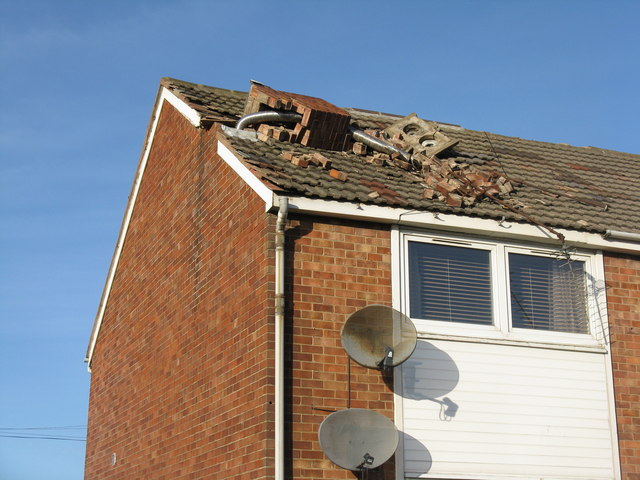
Structure refers to the framework or components of a building, including walls, floors, and roofs, that may require repair or restoration after damage.

Find a Local Service Provider
When disaster strikes, whether it’s a flood, fire, storm, or hazardous spill, the aftermath can be overwhelming. For many home and business owners, navigating the recovery process comes with not only physical and emotional challenges but also a flood of unfamiliar industry terms. Understanding the language of disaster restoration is key to making informed decisions, communicating effectively with professionals, and regaining peace of mind throughout the recovery journey.
To help simplify the process, we’ve put together a glossary of common disaster restoration terms. This resource is designed to give you clear, straightforward definitions so you can better understand the services being offered, the steps involved in restoration, and the measures that keep your property and health protected.
Structure refers to the framework or components of a building, including walls, floors, and roofs, that may require repair or restoration after damage.
A subcontractor is a professional or company hired by the main contractor to perform specific tasks or specialized work during a restoration project.
The subfloor is the foundational layer beneath flooring materials that provides structural support and may need drying or repair after water damage.
Submersible pumps are electric pumps designed to operate underwater. They are used for removing standing water during flood or sewage cleanup.
Subsurface drying is a drying technique that targets moisture trapped beneath floors or within structural materials without full removal.
A subsurface flood extractor is specialized equipment used to remove water from beneath carpet, padding, or flooring without requiring total demolition.
A sump pump is a pump installed in a basement or crawlspace to remove accumulated groundwater and prevent flooding.
Tactics are the specific methods or actions used to achieve a goal within a larger restoration or mitigation strategy. In disaster restoration, tactics guide how teams respond efficiently to various types of damage.
A thermostat is a device that monitors and regulates temperature within a building’s HVAC system. It’s essential for maintaining proper conditions during drying and restoration processes.
A total loss is a situation where a property or item is so severely damaged that repair costs exceed its replacement value. In restoration, total loss assessments help determine what can be salvaged versus...
 (888) 782-0519


