





Solution
A solution is a homogeneous mixture of two or more substances, commonly used in cleaning or chemical treatments during restoration.

Find a Local Service Provider
When disaster strikes, whether it’s a flood, fire, storm, or hazardous spill, the aftermath can be overwhelming. For many home and business owners, navigating the recovery process comes with not only physical and emotional challenges but also a flood of unfamiliar industry terms. Understanding the language of disaster restoration is key to making informed decisions, communicating effectively with professionals, and regaining peace of mind throughout the recovery journey.
To help simplify the process, we’ve put together a glossary of common disaster restoration terms. This resource is designed to give you clear, straightforward definitions so you can better understand the services being offered, the steps involved in restoration, and the measures that keep your property and health protected.
A solution is a homogeneous mixture of two or more substances, commonly used in cleaning or chemical treatments during restoration.
A solvent is a liquid capable of dissolving other substances, often used to remove stains, grease, or residues in cleaning and restoration.
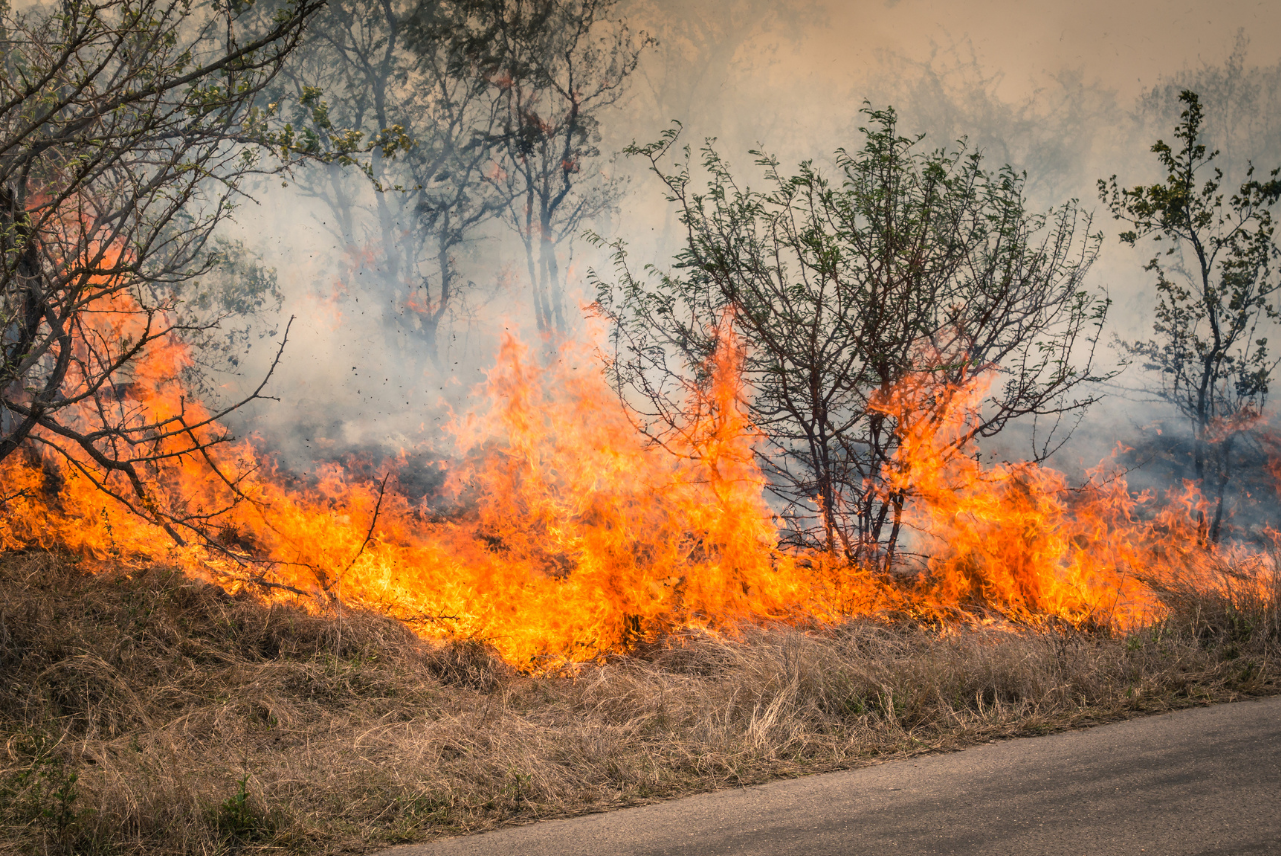
Soot is fine black particles composed of carbon and other materials produced by incomplete combustion during a fire.
A sponge is a porous material used to absorb liquids or clean surfaces; in restoration, specialized chemical sponges remove soot and residues.
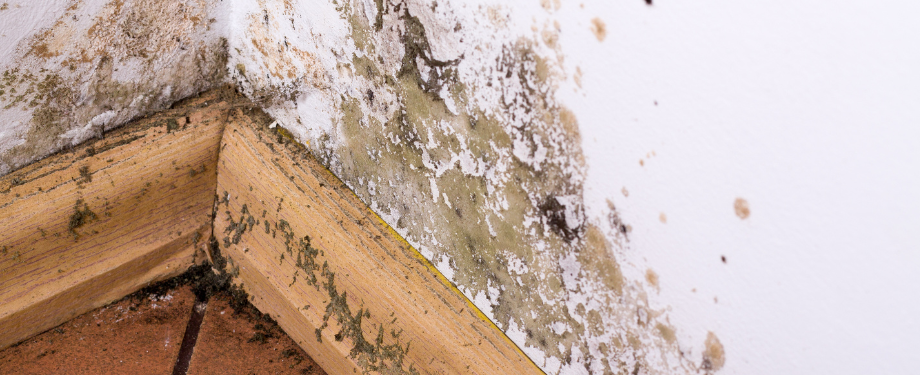
Spores are microscopic reproductive units of fungi or mold that can spread through the air and grow on moist surfaces.
A sporicide is a disinfectant specifically formulated to kill fungal spores and prevent mold growth.
A squeegee is a tool with a flat rubber blade used to remove liquids from surfaces during cleaning or water extraction.
Stachybotrys is a type of black mold (often called “black toxic mold”) that thrives on wet materials with high cellulose content, such as drywall or paper.
A sterilizer is a device or chemical that destroys all forms of microbial life, including bacteria, viruses, and spores.
A stress crack is a fracture or split in building materials caused by pressure, temperature changes, or structural movement.
 (888) 782-0519


