




Secondary Container
A secondary container is a labeled container used to store or transfer hazardous substances from their original packaging, ensuring safety and regulatory compliance.

Find a Local Service Provider
When disaster strikes, whether it’s a flood, fire, storm, or hazardous spill, the aftermath can be overwhelming. For many home and business owners, navigating the recovery process comes with not only physical and emotional challenges but also a flood of unfamiliar industry terms. Understanding the language of disaster restoration is key to making informed decisions, communicating effectively with professionals, and regaining peace of mind throughout the recovery journey.
To help simplify the process, we’ve put together a glossary of common disaster restoration terms. This resource is designed to give you clear, straightforward definitions so you can better understand the services being offered, the steps involved in restoration, and the measures that keep your property and health protected.
A secondary container is a labeled container used to store or transfer hazardous substances from their original packaging, ensuring safety and regulatory compliance.
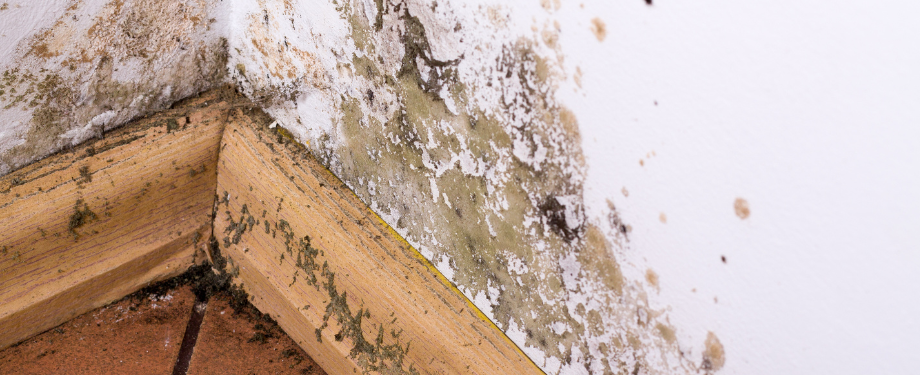
Secondary damage is additional damage that occurs after the initial incident, often due to delayed mitigation—such as mold growth or corrosion from lingering moisture.
Seepage is the slow movement of water or other fluids through porous materials, such as walls or foundations, often leading to hidden water damage.
Septage is wastewater and solids removed from septic tanks, which can pose health hazards and require specialized cleanup after overflows or leaks.
Sequence is the specific order or progression of steps taken during a restoration or remediation process to ensure efficiency and effectiveness.
Sewage is wastewater containing biological and chemical contaminants from toilets, drains, and sewers that poses serious health risks and requires professional cleanup.
Sheet vinyl flooring is a continuous, flexible flooring material made of vinyl, often water-resistant and commonly found in kitchens and bathrooms.
Sludge is a thick, semi-solid material composed of water, waste, and debris, often found after sewage backups or flooding.
Smoke residue is the fine, oily, or powdery particles left behind after a fire, which can cling to surfaces and require specialized cleaning.
Smoke stains are discoloration or marks left on walls, ceilings, or contents from smoke exposure after a fire.
 (888) 782-0519


