





Oxidation
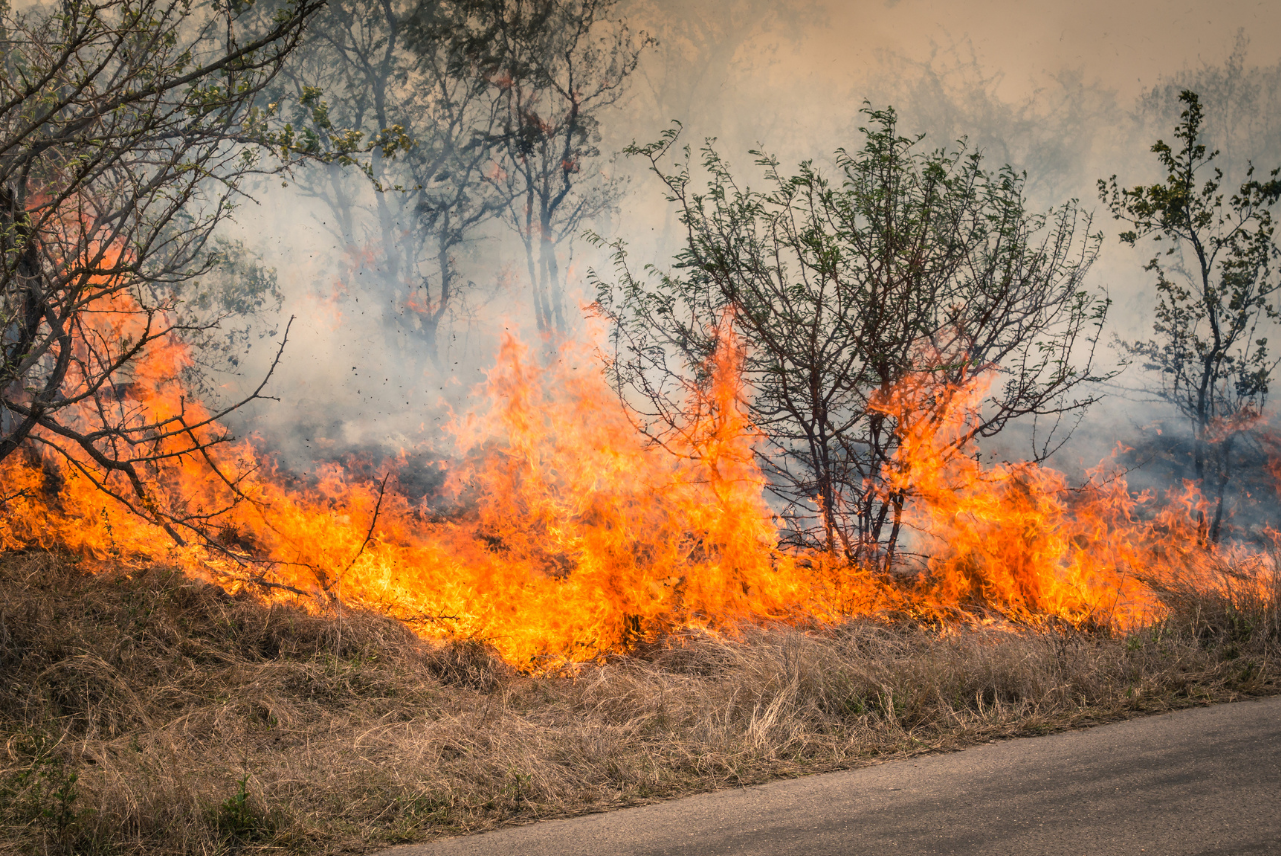
Oxidation is a chemical reaction in which a substance combines with oxygen, often causing rust, corrosion, or fire damage. In restoration, oxidation must be addressed when cleaning metals or treating smoke and fire-damaged materials.

Find a Local Service Provider
When disaster strikes, whether it’s a flood, fire, storm, or hazardous spill, the aftermath can be overwhelming. For many home and business owners, navigating the recovery process comes with not only physical and emotional challenges but also a flood of unfamiliar industry terms. Understanding the language of disaster restoration is key to making informed decisions, communicating effectively with professionals, and regaining peace of mind throughout the recovery journey.
To help simplify the process, we’ve put together a glossary of common disaster restoration terms. This resource is designed to give you clear, straightforward definitions so you can better understand the services being offered, the steps involved in restoration, and the measures that keep your property and health protected.
Oxidation is a chemical reaction in which a substance combines with oxygen, often causing rust, corrosion, or fire damage. In restoration, oxidation must be addressed when cleaning metals or treating smoke and fire-damaged materials.
An oxidizer is a substance that can release oxygen and promote or accelerate combustion. In disaster restoration, oxidizers require careful handling to prevent fire hazards.
An oxidizing agent is a chemical that causes another substance to lose electrons and often combines with oxygen. Oxidizing agents are involved in reactions like rusting or bleaching and must be managed safely during...
Oxygen is a chemical element essential for combustion and life. In restoration, oxygen is a factor in fires, oxidation processes, and microbial growth, influencing mitigation and cleanup strategies.
Pack-out is the process of carefully removing and transporting a property’s contents to an off-site facility for cleaning, storage, or restoration after damage. Pack-outs protect belongings during repair work at the property.
The pad is the cushion or underlayment beneath carpet that provides comfort and support. In restoration, pads often need replacement after water or smoke damage due to absorption.
Particles of incomplete combustion (PIC) are tiny residues created when fuel does not burn completely during a fire. PICs can contain toxic substances and contribute to soot, smoke odors, and air pollution.
Pathogens are microorganisms such as bacteria, viruses, or fungi that can cause disease. In restoration, controlling pathogens is crucial during sewage cleanup, biohazard removal, and mold remediation.
Periodic cleaning is scheduled cleaning performed at regular intervals to maintain safe, sanitary, and functional conditions. In restoration, periodic cleaning helps prevent buildup of contaminants or allergens.
Permeability is the ability of a material to allow liquids or gases to pass through it. In restoration, materials with high permeability can absorb water more easily, requiring thorough drying.
 (888) 782-0519


