RestorationMaster Cleaning and Restoration Guides and Tips
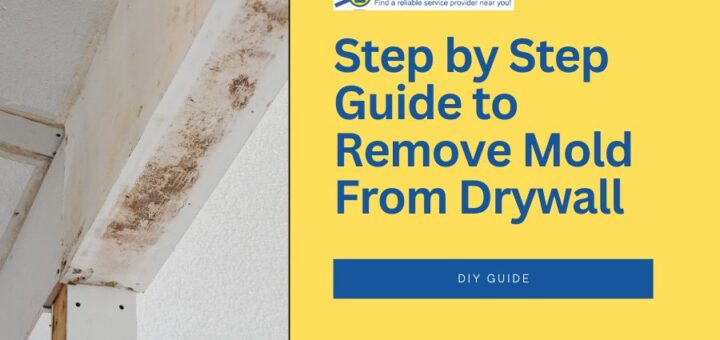
Mold in your home or business can lead to extensive property damage, compromise indoor air quality, and pose serious health risks over time. Drywall, in particular, is highly susceptible to mold because of its...
The distinct smell of burning plastic or fish could indicate an electrical fire. If you notice an active fire, call 911 immediately. If not, contact an emergency electrician to locate and address the source...
Fire sprinklers can save lives and property, but they can also leave a mess behind. Learn how they work, the different types, and what to do if yours ever go off.
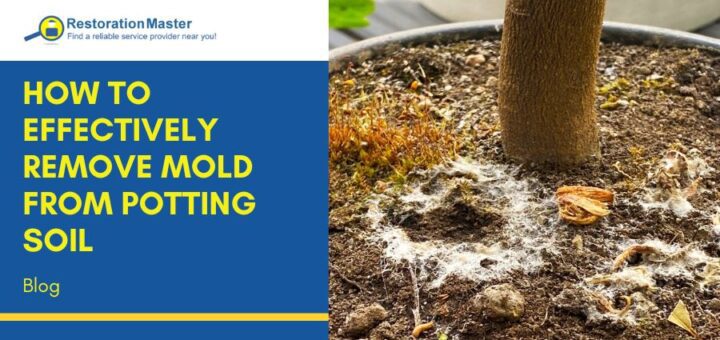
Mold growth on potting soil may seem harmless, but for gardeners, it’s often an unwelcome sight. Whether it’s on the surface of your indoor potted plants or in the soil, mold can be frustrating....
Hydrogen peroxide offers a natural and effective solution for removing mold from non-porous surfaces. Widely available in most households, it’s an excellent option for tackling small mold outbreaks. However, for larger, more widespread infestations,...
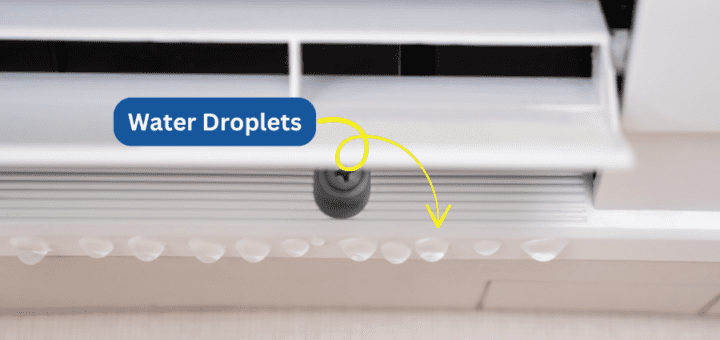
Dealing with an air conditioner leak can be both stressful and expensive. While AC leaks are a common issue, understanding their causes and learning how to prevent them is essential for avoiding costly repairs,...
A musty odor in your home often indicates a mold problem. It’s crucial for homeowners to address mold infestations promptly to safeguard both the health of residents and the structural integrity of the property....
You’re doing your best to manage household expenses, so when your water bill suddenly spikes for no clear reason, it can feel frustrating and stressful. An unexplained high water bill is the last thing...
Burning candles can create a cozy ambiance and fill your space with delightful scents, but they also come with potential risks. One common issue is the buildup of soot on walls and surfaces, especially...
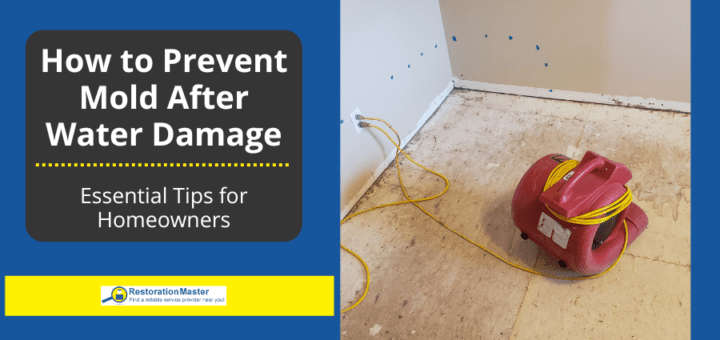
Water damage in a home or business is stressful enough on its own. What many property owners don’t realize is that mold can begin growing in as little as 24 to 48 hours if...