



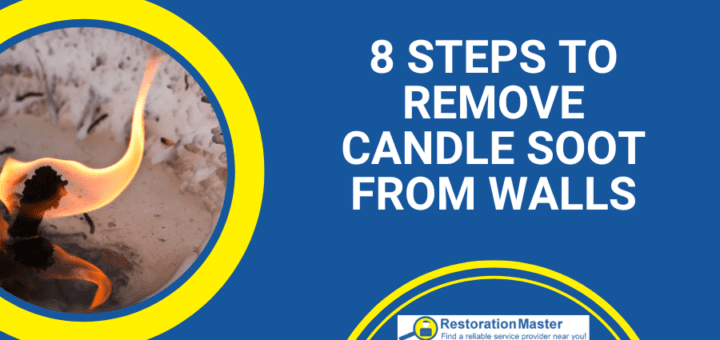
8 Steps to Remove Candle Soot from Walls
Burning candles can create a cozy ambiance and fill your space with delightful scents, but they also come with potential risks. One common issue is the buildup of soot on walls and surfaces, especially...

Find a Local Service Provider
Soot is a fine, black residue left behind after a fire, furnace malfunction, candle soot buildup, or smoke event. While it may appear as simple surface staining, soot particles are acidic and can cause long-term damage to walls, ceilings, metal fixtures, electronics, and HVAC systems if not properly removed. The longer soot remains untreated, the more likely it is to discolor surfaces and corrode materials.
In this category, you will find expert guides explaining how soot forms, how it spreads through ventilation systems, and why professional cleaning methods are often necessary. We cover different types of soot, including dry soot, oily soot, protein residue, and fuel oil residue, along with the specialized cleaning techniques required for each. Topics also include HEPA vacuuming, chemical sponges, surface neutralization, and odor elimination.
Whether soot damage is limited to a single room or affects an entire property after a fire or smoke incident, these resources provide practical, step-by-step guidance for safe and effective cleanup. When soot contamination goes beyond surface wiping, professional soot removal services ensure thorough cleaning, material preservation, and restoration of healthy indoor air quality.
Burning candles can create a cozy ambiance and fill your space with delightful scents, but they also come with potential risks. One common issue is the buildup of soot on walls and surfaces, especially...
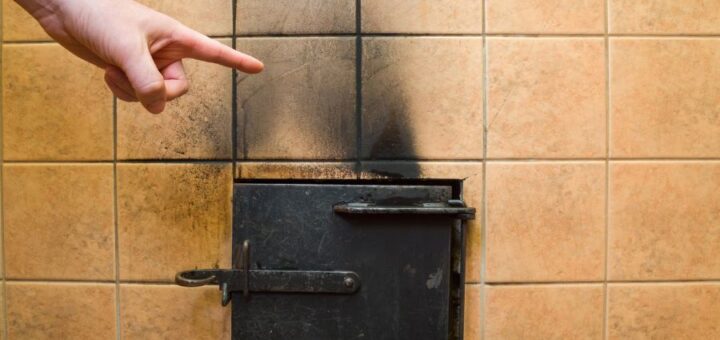
Summary: After a fire, it’s important to clean up soot quickly to protect your home and belongings. Discover easy and effective ways to remove soot from walls, ceilings, clothes, metal surfaces, wood, and more...
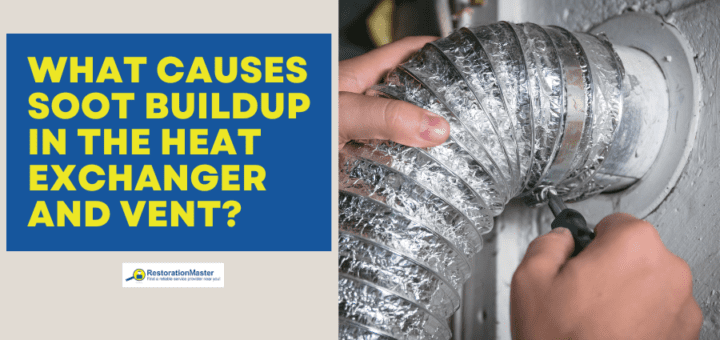
In this blog post, we’ll explore the possible causes of soot buildup in both components, as well as how you can stop them from occurring and maintain a perfectly functioning heating system for years to come.
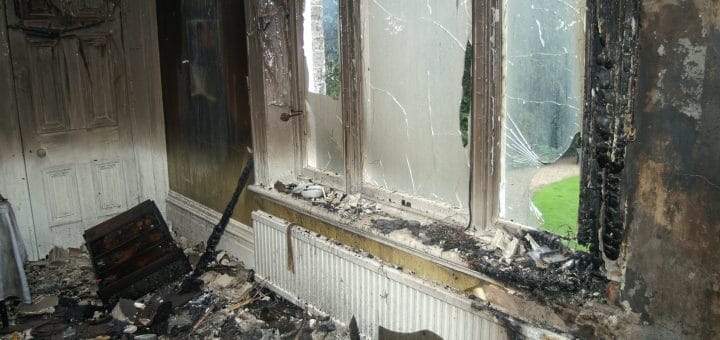
A house fire introduces a substantial amount of smoke and soot. The soot particles that emerge after the fire is extinguished can continue to damage areas of the home, including the floor joists. Charred...
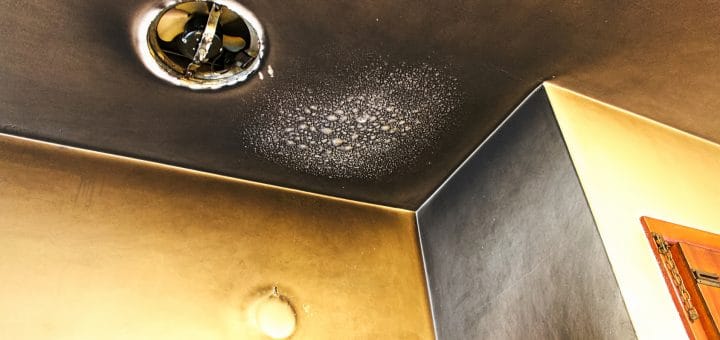
Sometimes after a fire is put out in a home, not much thought is given to the effects of smoke and soot. In fact, this is what homeowners should be most worried about as...
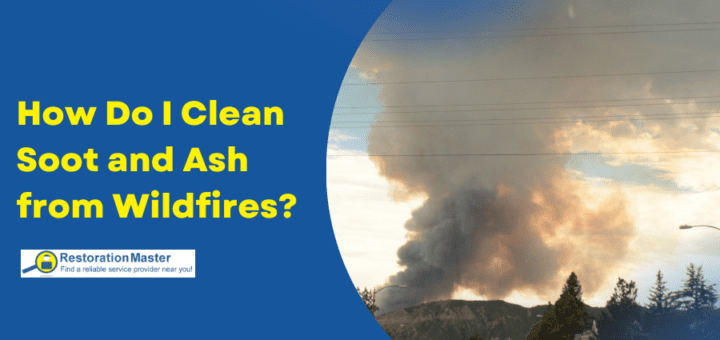
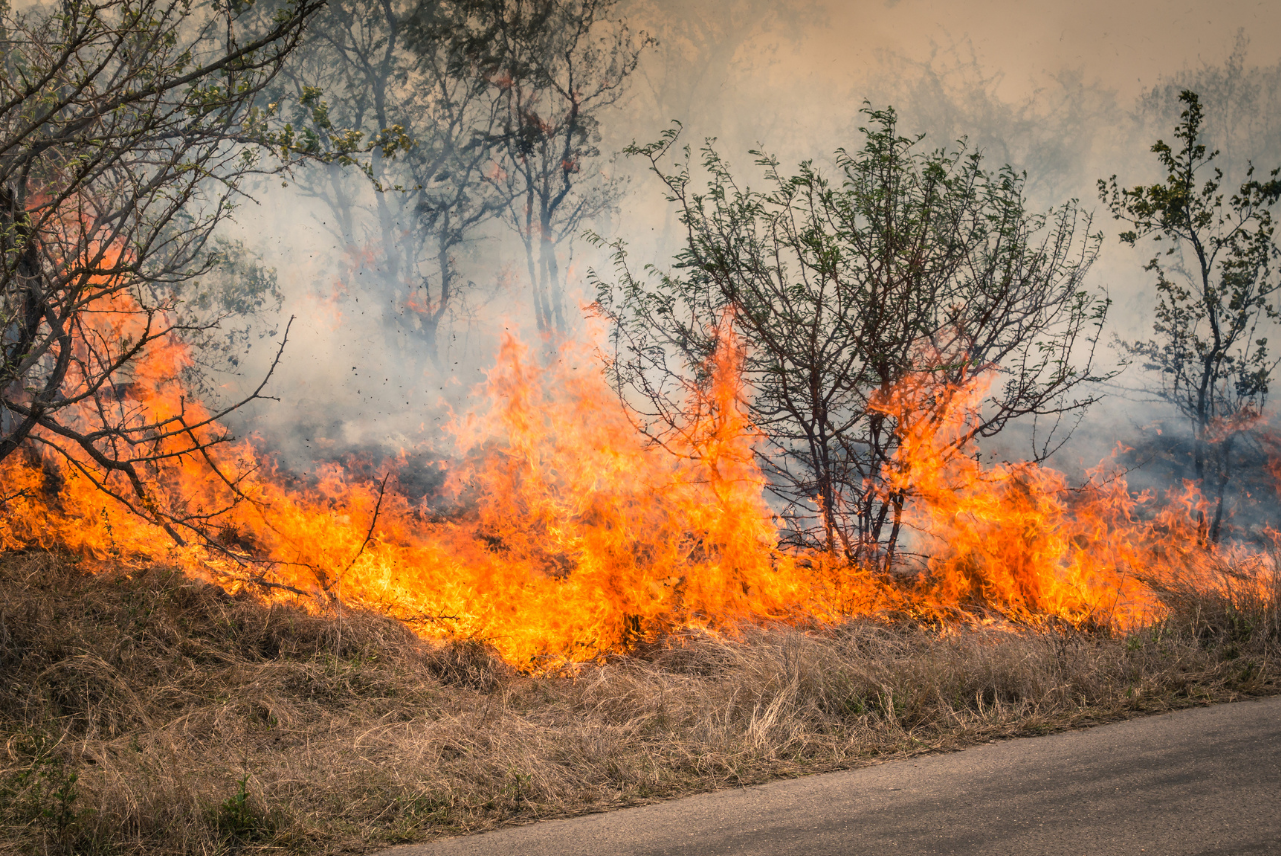
Wildfire is a natural disaster that unexpectedly occurs in forests, grassland, prairie. However, since it has continually happened many times in the past years due to global warming issues, unfortunately, it became an unwanted...
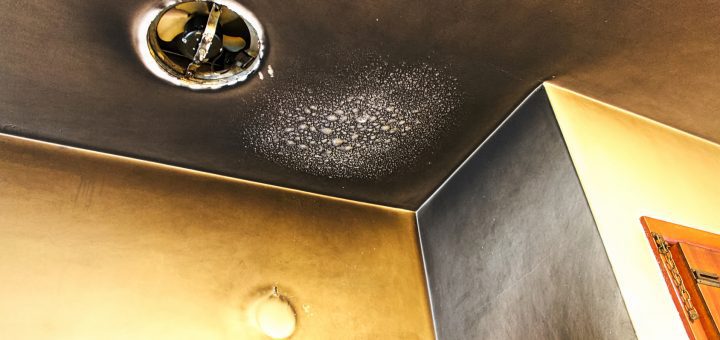
Soot comes from fireplaces, candles, and even house fires, and leaves ugly stains on all materials or surfaces it encounters. Soot’s acidic nature makes it difficult to remove from walls, so removing it requires...

When a fire breaks out on your property, it is an especially concerning issue. In such an event, your top priorities are to call 911 for help and to make sure the property has...
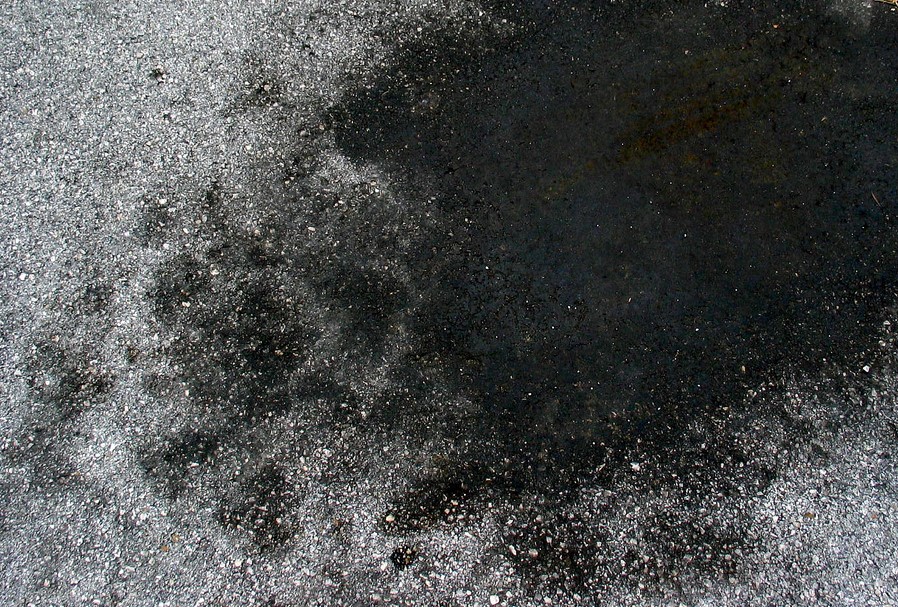
Your fireplace creates a warm, cozy space where you can relax near the warmth of the lively, dancing flames. When the fireplace ignites, however, black soot can leave the surrounding carpeting saturated with grimy...
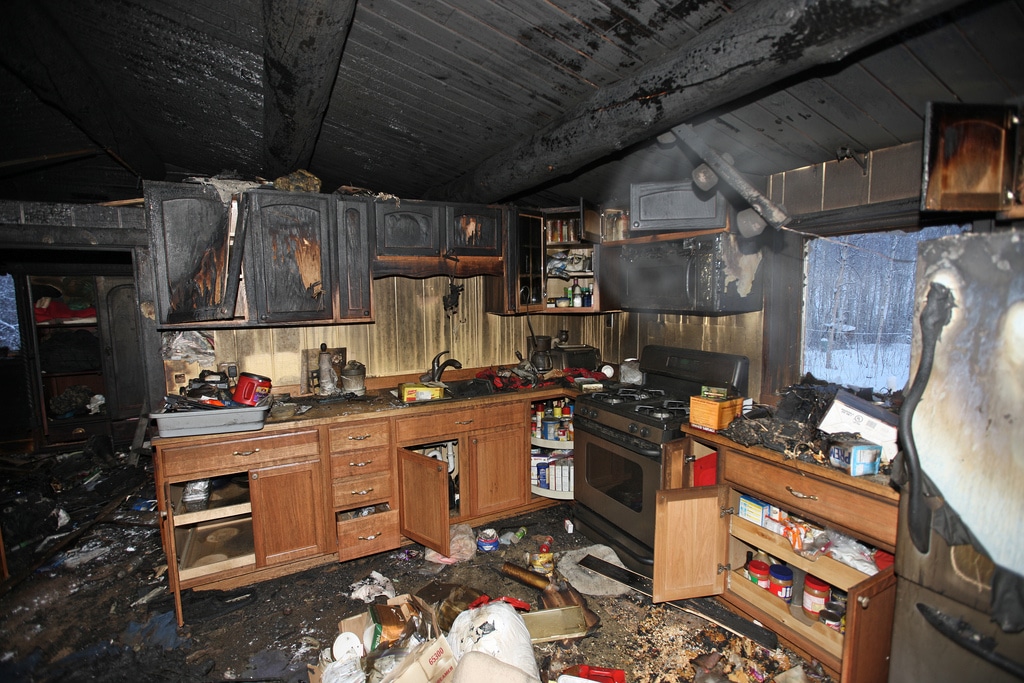
House fires are terrifying because the flames can cause intense bodily harm that results in serious injury and even death. Once the fire is put out, many homeowners are relieved in the sense that...