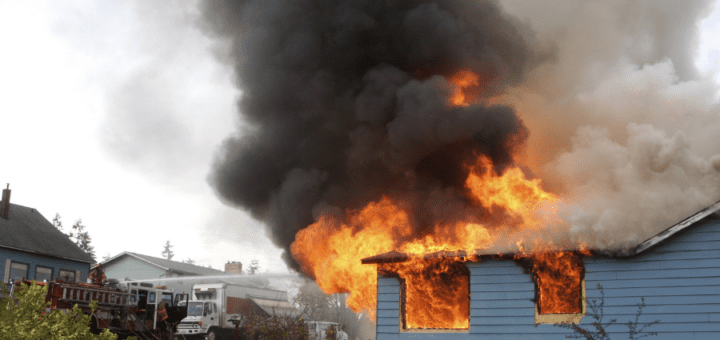
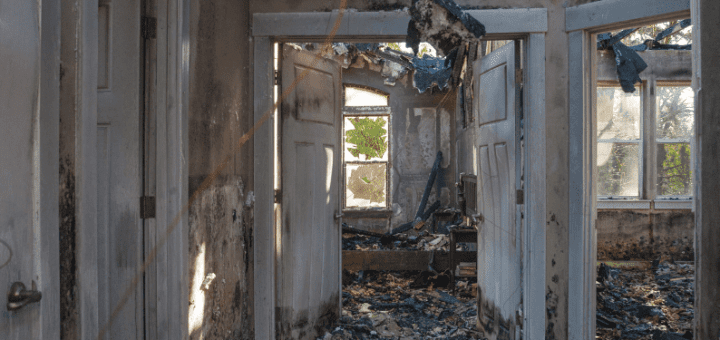
Smoke damage can affect a property even when flames are limited or quickly extinguished. Smoke particles are microscopic and can travel throughout a home or commercial building, settling on walls, ceilings, furniture, HVAC systems, and personal belongings. Over time, soot residue and smoke odors can cause discoloration, corrosion, and persistent air quality issues if not properly addressed.
In this category, you will find expert guides explaining how smoke damage spreads, the differences between wet smoke, dry smoke, protein residue, and fuel oil soot, and why each type requires a specialized cleaning approach. We cover soot removal techniques, odor neutralization methods such as thermal fogging and ozone treatment, and the importance of HEPA filtration to improve indoor air quality.
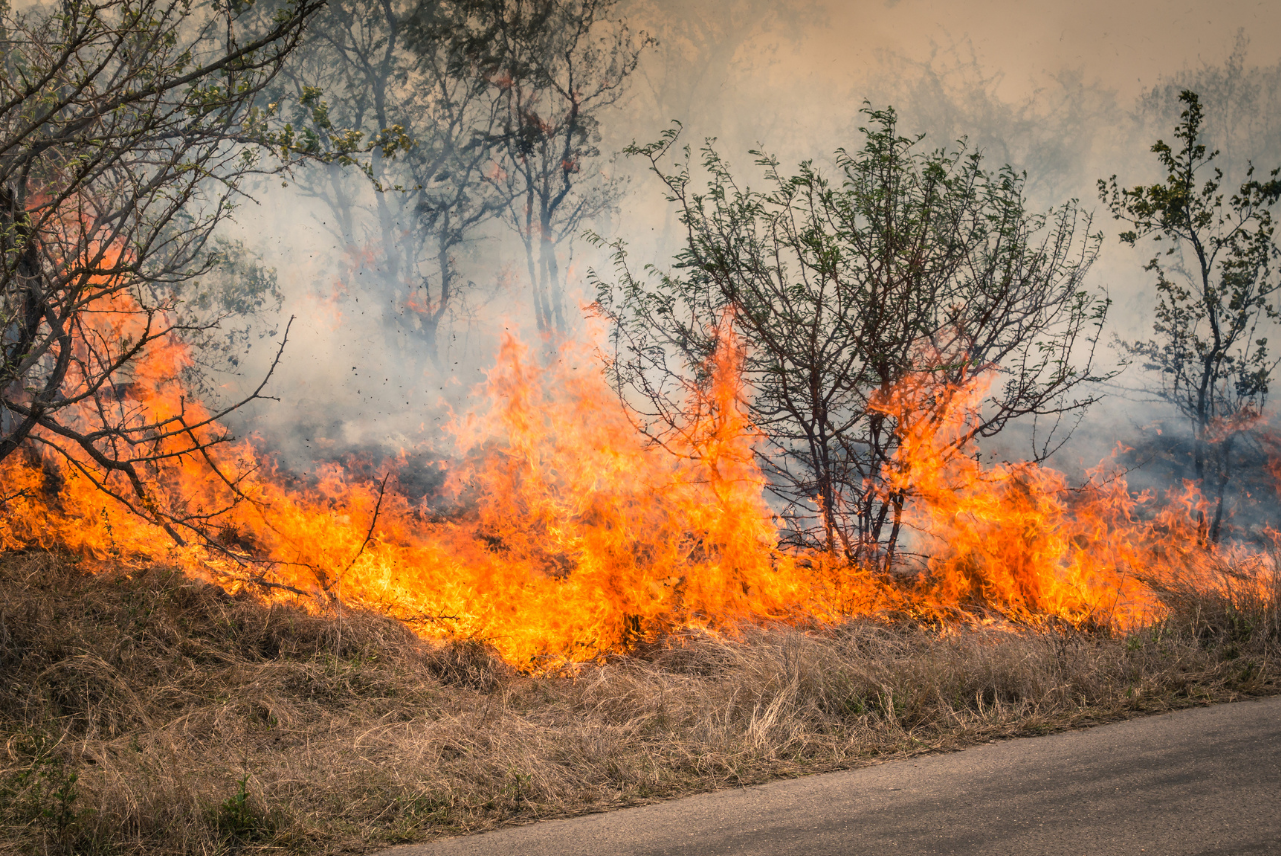
Whether smoke damage results from a kitchen fire, electrical malfunction, wildfire exposure, or furnace puff-back, these resources provide practical insight into protecting your property and restoring safe living conditions. When smoke contamination extends beyond surface cleaning, professional smoke damage restoration services ensure thorough cleanup, deodorization, and long-term protection for your home or business.