




4 Steps to Take After Your Home is Flooded
Floods can happen suddenly and without warning with multiple sources, such as falling water, a natural disaster, or a broken home water system. Regardless of the cause, it is essential to follow these 4 steps after your home is flooded to keep family safe and hopefully recover items affected by water damage:
1. Protect Yourself and Your Family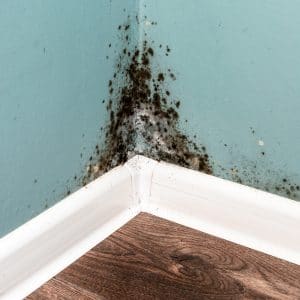
The most important thing to protect in case of a flood is the lives of all residents inside the house. If you and your family were forced to evacuate because of the severe flooding, wait for the local authorities to confirm your home is safe before returning. Structural damage and mold growth pose significant risks to the residents of the house and should be inspected.
If you were able to remain in the house during the flooding, use certain safety precautions as you inspect the damage. Turn off all water and electricity in the home during the inspection and use a flashlight. Wear rubber gloves, waterproof boots, and an N-95 mask when encountering the water or items damaged by the flooding. Check for serious structural damage, such as cracked foundations, warping wood, or broken ceilings/floors.
Damage to the structure of the home can cause the foundation to collapse and people inside can be hurt by these accidents. Floodwater contains health risks, such as waterborne diseases and possible hazardous chemical substances, so these precautions are not to be taken lightly if you intend to live in the house. If it is unsafe to do so, stay nearby at a shelter, hotel, etc.
2. Call Your Insurance Company
Call your insurance company immediately. Do not attempt any flood cleanup or repair before you speak with your insurer. Work out the coverage you will receive with your insurance agent by explaining the cause of the flood and providing pictures of the damage inside your home. It is important to have documentation of the flood damage on hand so you can get proper coverage of all your possessions from your insurance company. Failing to do so will leave you in a tough spot because you will be unable to prove certain items were damaged by the flood.
Unfortunately, flood damage restoration is not covered in most insurance policies, so uninsured flood victims will be forced to pay out of pocket for repairs. The FEMA National Flood Insurance Program requires the government to provide coverage to flooded homes, but even with aid from the government, flood repairs are costly. It’s best to get flood insurance, even if you are in a low-risk area.
3. Remove Floodwater
Get approval from your insurance company to remove water before you begin the process. Water removal is hard work, but a straightforward process. Use a sump pump and a wet vac to drain the water from your home and open all windows so fresh air can circulate.
4. Call a Restoration Professional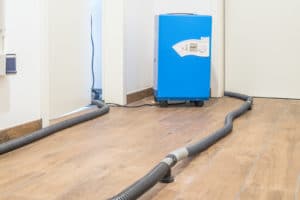
Call a professional in water damage restoration to survey the damage and give you an estimate. Flood damage cleanup is considered an emergency service and many professionals are available 24/7.
Water Damage
Water damage is the most common effect of flooding and affects all parts of the home, from materials to furnishings, because it can be absorbed so easily. Water damage can affect the walls, drywall, and floors of your home, as well as the insulation system and electricity lines. This problem should be addressed quickly because the damage will worsen the longer it goes untreated. Water-damaged structures also create the perfect environment for mold to grow, which can become permanent.
Water damage cleanup services begin by removing mold and excess water, then cleaning the damaged areas. Our services also include drying furniture, documents, and electronics to restore them.
Mold
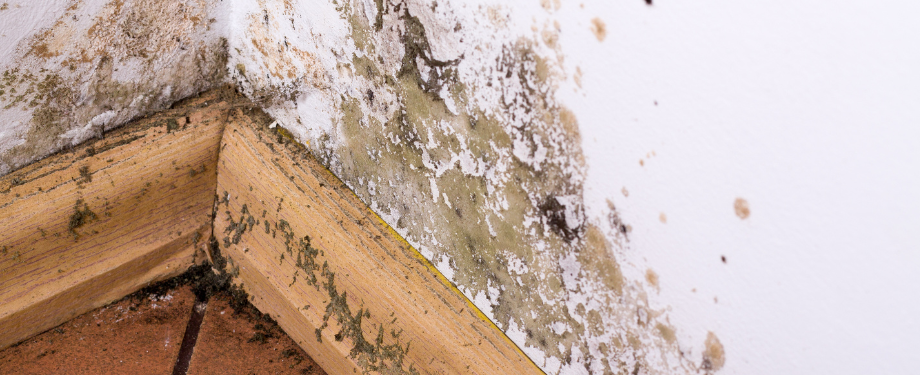
Much like water damage, mold will only spread and become worse if unaddressed. Mold needs moisture to grow, so untreated water damage is often a source.
Being exposed to mold for long periods of time can cause health issues, such as respiratory infections and allergy symptoms:
- Headaches
- Itchy eyes/throat
- Cough
- Irritated skin
Mold removal begins by checking for water damage and containing the mold, if found. Our professionals will then repair or replace the structure unfortunately affected by mold.
Cleanup Services
After threats, such as water damage and mold, are removed from the home, it is time for the cleanup process. Luckily, restoration professionals also provide cleaning services for damage caused by flooding.
Our technicians can perform all kinds of cleanup jobs, such as hoarding cleaning, post-construction cleanup, trauma scene cleaning, window washing, and more.
Home Repairs
Once the damage in your home has been addressed and cleaned, the next step is to make repairs. Restoration professionals typically make repairs on items that have water damage, but if there has been other flood damage, you may need to address them yourself.
Obtain the report from the restoration company who did the initial inspection and use it to determine which parts of the house still need repairs and how severe the damage is. Call a contractor in the area or, if you are handy, do the repairs yourself, but take the necessary precautions.
Water Damage Prevention
Now that you are informed about the steps to take after a flood occurs, look into flood prevention steps that will make the next flood less damaging on your home.

About Vince Sandri
Vince Sandri is a content writer and blogger with more than 12 years of experience. His expertise is in creating content related to disaster restoration, including information about preventing and reacting to natural disasters like flooding, water damage, fire and smoke damage, mold growth, storm damage and more.
Vince has been the main contributor to RestorationMasterFinder.com since 2014. Over that time, he has written numerous service pages and blogs for disaster restoration providers featured on RestorationMasterFinder.com. Vince has done extensive research and covered a wide range of topics relating to disaster restoration to help homeowners, business owners, and property managers better protect their property. He understands the problems that disasters like flooding, fire, smoke, and mold can cause as well as the best ways to respond to these issues to limit the damage.
Vince completed his Bachelor of Arts degree at Aurora University and his master’s degree at DePaul University. He has been writing SEO website pages, blogs, and press releases since 2012. Vince is also a musician and can be seen playing in the Chicago, IL area.