






How to Remove Mold from Silicone Caulk Without Bleach
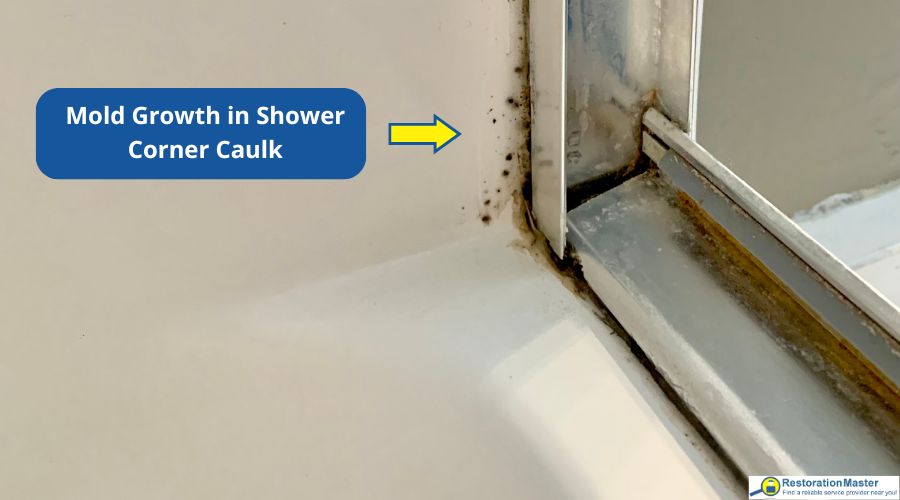
Scrubbing the shower clean on a regular basis may not always deter mold. The spores thrive in humid, moist spaces, making the bathroom an enticing place to be. Although silicone caulk might become covered in mold, the homeowner can take steps to safely remove it.
Mold spores are abundant in the natural environment. Airborne spores can meander into a building, land in a hospitable area and multiply rapidly. Mold thrives in places that contain three nutrient sources: water, humidity, and darkness. The bathroom, naturally, can be a breeding ground for mold.
Silicone caulk is typically found in bathrooms between the spaces of the sink, countertop, shower, wall, and tub. The white material can harbor black mold spores, because these areas of the bathroom are difficult to keep clean and dry on a consistent basis.
Why avoid bleach to clean mold?
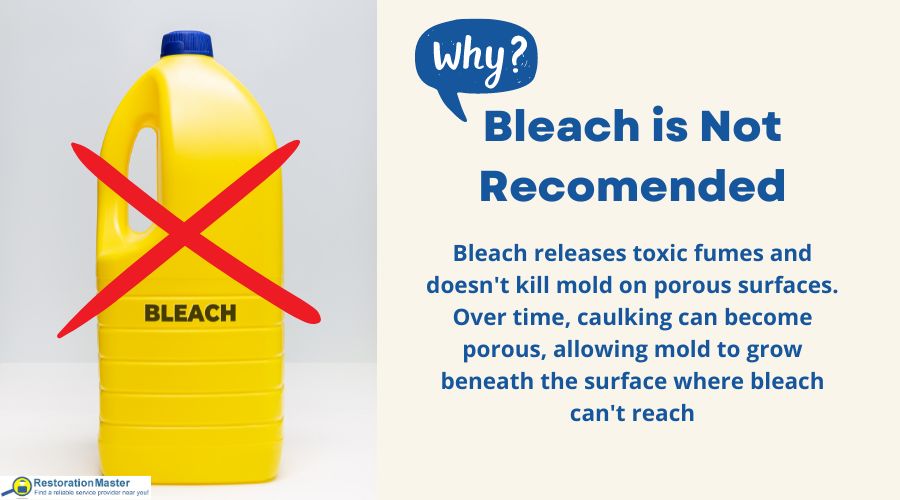
A homeowner may decide to clean the bathroom mold with bleach. After all, bleach is heavily promoted as a product that kills mold. However, using bleach is not always the best idea. Bleach is a harsh substance that can negatively affect the immediate environment in which it is used.
Chlorine, for example, creates harmful fumes that pollute the air. Bleach is also classified as a toxic substance that is potentially dangerous to humans and pets. While a powerful disinfectant, bleach does not kill all mold, especially those growing on porous and semi-porous surfaces.
While caulking is not porous at first, over time, it can become permeable. Cleaning the caulk with chlorine bleach will fail to work in the long run, since the bleach cannot penetrate deep into the porous material where the roots of mold spores take hold.
How is mold removed without bleach?
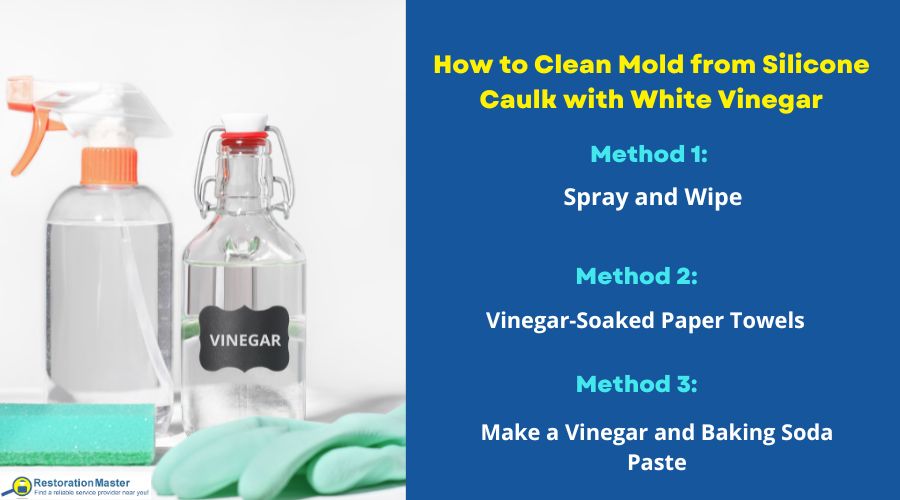
Instead, the best way to clean mold from silicone caulk is with the use of distilled white vinegar. Cleaning moldy caulk with this household staple is the most environmentally friendly and healthiest route. White vinegar is an effective cleaning agent, removing all mold.
Simply spray the white vinegar onto the moldy silicone caulk and wipe it off. An alternate and equally effective mold removal tactic is to create a paste consisting of white vinegar and baking soda. Mix together one cup white vinegar and 2 to 3 teaspoons of baking soda.
Rub a thick layer of paste onto the silicone caulk. Allow the paste to sit for five minutes. Using a stiff-bristled brush, scrub the paste into the moldy caulk. Then clean off the paste and mold with a rinse of cool water. If the mold remains, repeat the abovementioned steps.
Another mold-removal strategy is to use paper towels soaked in vinegar. Roll the paper into a twist, lay it over the moldy silicone caulk and spray with vinegar. Allow the vinegar to soak in. Keep the paper in place for a few hours, then remove it along with the mold.
How is mold in the bathroom prevented?
While mold in the bathroom and on silicone caulk are likely, a homeowner can prevent mold by keeping the area as clean and dry as possible. Since mold thrives in moist conditions, turn on the exhaust fan while showering and for 10 to 15 minutes afterward.
The exhaust fan works to eliminate excess moisture, one of the primary nutrients for mold spores. A homeowner who does not have a fan installed in the bathroom should strongly consider investing one. Homes in areas with humidity issues especially should have exhaust fans in the bathroom.
A second moisture-control tip is to squeegee the glass shower door. Especially when humidity issues are prevalent, also wipe down the silicone caulk, tile, countertops, and sink. These steps control the moisture level in the bathroom while helping to keep the areas clean.
Spraying the silicone caulk daily with vinegar also keeps mold at bay. If the mold continues to appear despite daily spritzes of vinegar, consider applying a shower spray. A range of different sprays are available for either daily or weekly use.
Wash the bathroom towels frequently to avoid giving mold a place to grow. Remove lingering moisture from the bathroom by opening a window or running a dehumidifier. Certain houseplants, too, can remove humidity, so consider placing one in the bathroom.
Most importantly, any plumbing issues should be repaired right away to keep mold from appearing. Pools of water on the bathroom floor are signs of a plumbing problem. Call in a professional plumber to assess the space for leaks, including the areas behind the wall.
Mold spores growing on the silicone caulk or anywhere else in the home should be dealt with swiftly. Homeowners who are unable to safely remove the mold or stumble upon an extensive infestation should call mold remediation experts.
Mold removal companies are staffed with a team of certified technicians who are experienced in eliminating mold growth of all sizes. Whether the mold grows behind the wall, under carpets, or on other hidden areas, specialists will find it using advanced detection equipment and remove it.
Technicians remove mold colonies and also discard materials that have been contaminated by the unwanted growth. Damaged areas are rebuilt by skilled crews, and your home or commercial building is quickly returned to its original condition.
Aside from swift mold removal, another important task mold specialists perform is the repair of the moisture source. Without water, mold cannot survive. Technicians will pinpoint the leak, fix it, and prevent the mold infestation from returning even after the mold remediation is completed.
Musty odors can permeate the building as a result of the mold growth. Remediation crews deodorize the property to ensure the air quality is optimal and the occupants remain safe from the harmful effects of breathing in mold spores.

About Vince Sandri
Vince Sandri is a content writer and blogger with more than 12 years of experience. His expertise is in creating content related to disaster restoration, including information about preventing and reacting to natural disasters like flooding, water damage, fire and smoke damage, mold growth, storm damage and more.
Vince has been the main contributor to RestorationMasterFinder.com since 2014. Over that time, he has written numerous service pages and blogs for disaster restoration providers featured on RestorationMasterFinder.com. Vince has done extensive research and covered a wide range of topics relating to disaster restoration to help homeowners, business owners, and property managers better protect their property. He understands the problems that disasters like flooding, fire, smoke, and mold can cause as well as the best ways to respond to these issues to limit the damage.
Vince completed his Bachelor of Arts degree at Aurora University and his master’s degree at DePaul University. He has been writing SEO website pages, blogs, and press releases since 2012. Vince is also a musician and can be seen playing in the Chicago, IL area.