





Why are People Allergic to Mold?
People are exposed to mold spores on a daily basis, whether it is in the natural outdoor environment or, sometimes, inside a building. Minor instances of mold are typically harmless. However, some people are allergic to mold and can experience a range of symptoms.
Not all mold is harmful to humans, but certain types provoke an allergic reaction. Over a hundred thousand mold species exist, but only a handful can trigger asthma attacks in vulnerable people. Those who are sensitive to mold experience symptoms upon breathing in the spores.
What is mold?
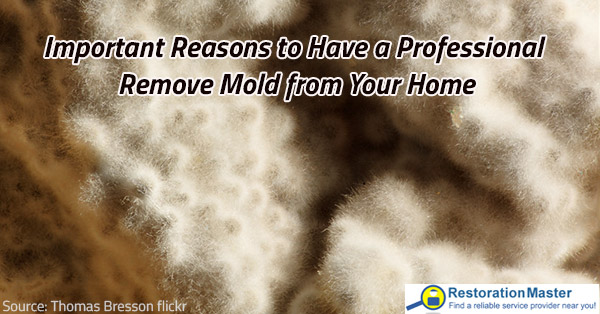
Although mold causes health problems, mold is different from disease-causing bacteria. Mold, rather, is a type of fungus. Mold spores are significantly larger than bacteria. As complex organisms, mold spores have hyphae, which are otherwise known as multi-celled filaments. Bacteria are smaller.
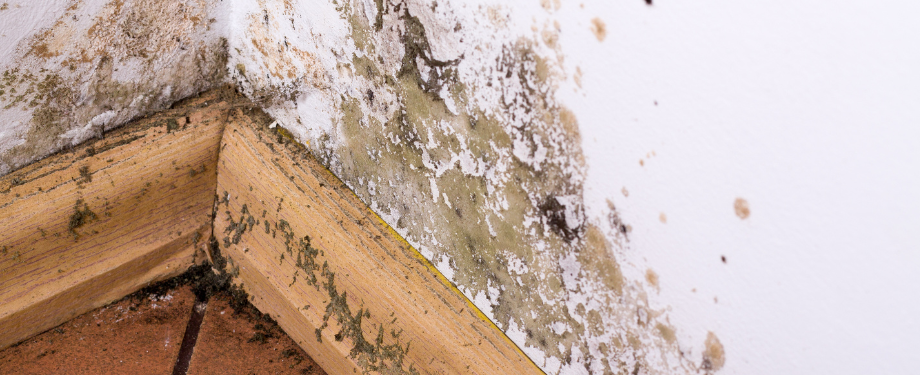
Mold can appear in a range of colors, from orange, green and purple to white or black. As mentioned, the organisms are abundant in the outdoors and break down dead organic matter. Indoors, mold spores multiply wherever a constant moisture source is present.
Three common types of mold are known to flourish indoors. Cladosporium is often found growing on carpets, wood, and fabrics. Penicillium can be fuzzy and green and lives in areas where water damage has occurred. Aspergillus thrives in places with limited ventilation and on dry food products.
What symptoms does mold cause?
A mold infestation inside a home or office building will not always cause ill health. However, mold spores have the potential to cause a wide range of health issues. Allergy-type symptoms erupt when a building’s occupants touch or inhale the mold spores.
Exposure to mold can lead to runny nose and congestion, sneezing, eye irritation, coughing, skin rash, sore throat, headaches, lung irritation and wheezing. Certain people have a higher risk for suffering complications, such as infections, upon contact with indoor mold.
Although symptoms vary among individuals, those who are more likely to experience complications include people with allergies, asthma (in such individuals, an allergic reaction can cause an asthma attack), chronic obstructive pulmonary disorder (COPD), cystic fibrosis and a compromised immune system.
Some people may experience only mild symptoms when exposed to mold. In others, severe reactions may occur. Depending on the person, symptoms may be present all year long; or individuals may experience flareups only during certain times of the year.
Why do people experience mold allergies?
A mold allergy is similar to any type of allergy. An overly sensitive immune system is responsible for triggering the mold allergy. When people inhale the microscopic, airborne mold spores, the body sees them as foreign invaders and produces allergy-causing antibodies as a defensive response.
Even upon no longer being exposed to the mold, the human body continues to produce antibodies that recognize the mold organisms (foreign invaders). Any future contact with mold spores automatically prompts the immune system to immediately react. Histamine, among other substances, are released.
Histamine causes the mold allergy symptoms, such as runny nose, watery eyes, itchy skin and sneezing. Some people are more prone to developing a mold allergy or worsening existing symptoms than others. Risk factors include family history, environmental conditions, and inadequate ventilation.
Mold allergies are hereditary. Family members with mold allergies will pass it on to other related individuals. A home with high indoor humidity levels, such as those over 50 percent, provides conditions for a severe mold infestation and triggers mold allergies in the home’s occupants.
Certain occupations, such as farming, logging, baking, millwork, carpentry, furniture repair, winemaking, and greenhouse work, are known to expose workers to high concentrations of mold. For people who work in such fields, the risk factors for developing mold allergies substantially increases.
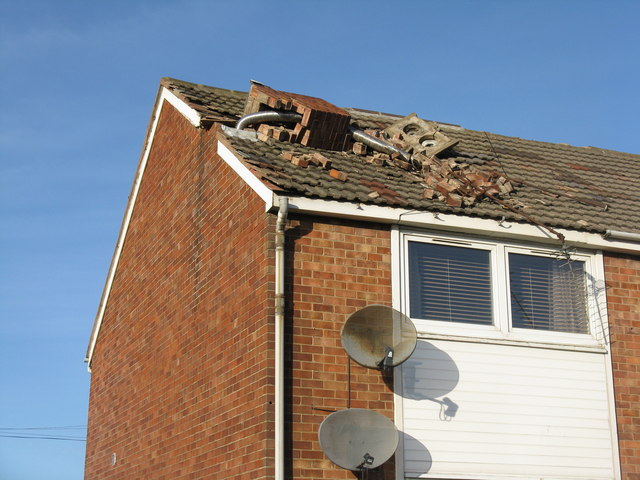
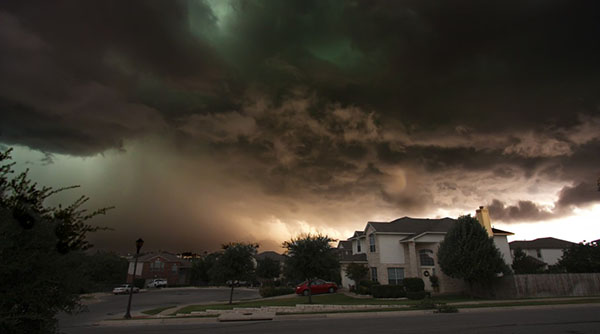
Likewise, people who work in buildings in which moisture problems are constant will be exposed to high levels of mold. Consequently, mold allergies are likely. Excess moisture can result from leaky pipes, flood damage and water seepage at the height of rainstorms.
Homeowners who inadequately ventilate their homes risk extensive mold growth. Spores multiply when moisture becomes trapped in areas, like tightly sealed windows and doors. Without proper ventilation, mold will grow. Bathrooms, kitchens, and basements, too, are susceptible to mold growth.
How can the risk for mold allergies be reduced?
Eliminating mold growth inside the home or building will prevent mold allergies. Constant moisture nourishes mold spores, so repairing leaky pipes and maintaining dry indoor environments are key to resolving a mold problem. Without mold growth, the environment will be safer to inhabit.
Additional tactics to control indoor moisture levels include running a dehumidifier (clean the collection trays often), installing an air conditioner with a HEPA filter attachment to trap mold spores from outdoor air, changing furnace filters regularly, and inspecting and cleaning forced air heating ducts.
Mold is a serious issue that must be professionally addressed by mold remediation experts. Prompt attention to mold growth will prevent not only mold-related health problems, but structural damage to the building’s components.
An unstable property is unsafe to inhabit. Mold spores eat away at organic materials, such as wood. Preserve the structural integrity of your home with professional mold cleanup services. Technicians arrive immediately to assess the extent of damage and begin the restoration process.
While mold may be visible, hidden mold behind walls or ceilings is a major problem. Mold remediation specialists utilize advanced tools to locate concealed mold growth and eliminate the infestation from your home or building.
Experienced technicians start the mold remediation process by containing the area and preventing airborne spores from contaminating other parts of the building. They remove the mold and treat affected items. Mold specialists also identify and fix the moisture problem responsible for the mold invasion.

About Vince Sandri
Vince Sandri is a content writer and blogger with more than 12 years of experience. His expertise is in creating content related to disaster restoration, including information about preventing and reacting to natural disasters like flooding, water damage, fire and smoke damage, mold growth, storm damage and more.
Vince has been the main contributor to RestorationMasterFinder.com since 2014. Over that time, he has written numerous service pages and blogs for disaster restoration providers featured on RestorationMasterFinder.com. Vince has done extensive research and covered a wide range of topics relating to disaster restoration to help homeowners, business owners, and property managers better protect their property. He understands the problems that disasters like flooding, fire, smoke, and mold can cause as well as the best ways to respond to these issues to limit the damage.
Vince completed his Bachelor of Arts degree at Aurora University and his master’s degree at DePaul University. He has been writing SEO website pages, blogs, and press releases since 2012. Vince is also a musician and can be seen playing in the Chicago, IL area.