






10 Places in Your Home Where Hidden Mold can be Found
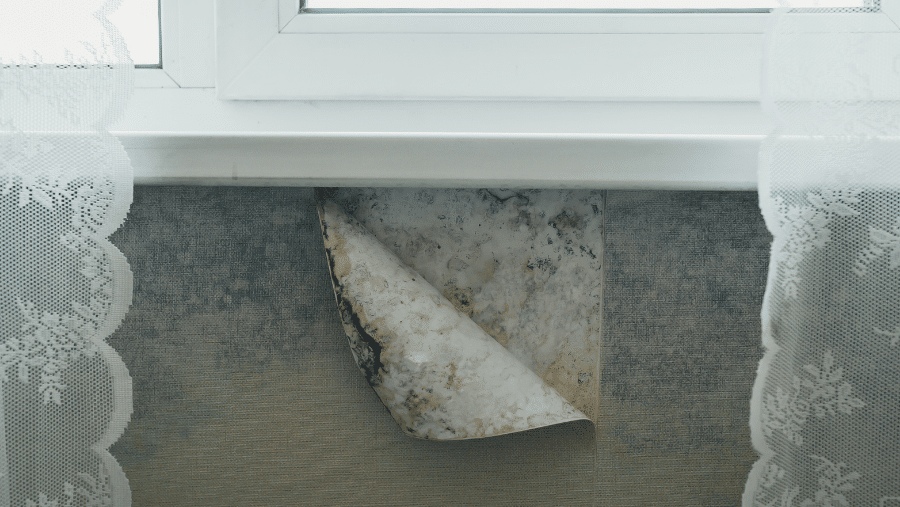
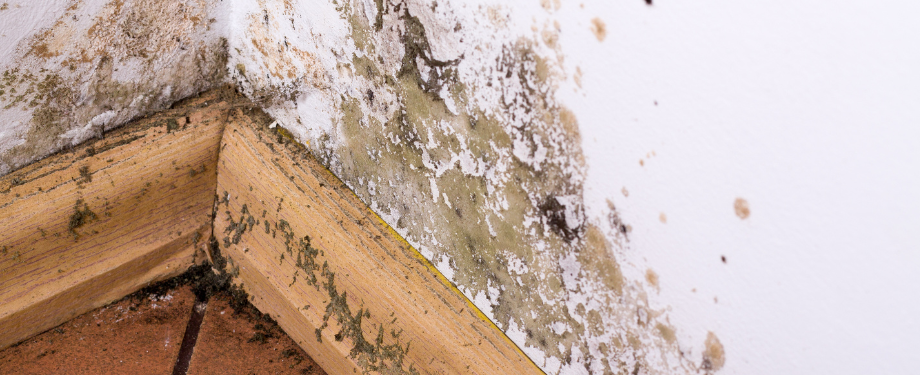
Mold growth behind wallpaper
The presence of mold in a home is frustrating for homeowners because of the damage it can cause and the effect it can have on your health. Mold has the potential to cause serious damage because it breaks down the affected materials which can eventually compromise the structural integrity of your home, and it is likely to spread to new areas simply by dispersing its spores. Exposure to the mold spores increases the risk of mold related health effects which will get worse with prolonged exposure. Mold growth is easy to spot when it appears in visible areas, but it sometimes grows in hidden areas where it can cause considerable damage before you notice it.
Hidden mold can be found in areas of your home that provide the necessary conditions for mold to grow which include moisture, a surface with an organic food source, and darkness. Areas such as wall cavities, under carpeting, and above ceilings are vulnerable to hidden mold growth, as well as areas and appliances exposed to moisture like air conditioners, washing machines, and refrigerator drip pans. It is very important to do routine mold inspections in areas vulnerable to hidden mold growth because undetected mold can cause considerable damage. Finding it early can prevent extensive and costly damage as well as serious health issues.
Places That are the Most Vulnerable to Hidden Mold
Window Sills
Window sills are vulnerable to mold growth because they provide the ideal conditions for mold to grow. Condensation builds up on window sills all year and unless your windows are open, the window sills do not get enough air circulation for the condensation to evaporate. The dirt that gathers on window sills and window tracks provides food for mold, making your windows an attractive place for mold to form. You can prevent mold on your windows by wiping condensation from the window sills and cleaning the dirt from the window tracks.
Refrigerator Drip Pans
All refrigerators have drip pans underneath them that collect condensation as well as spills and food particles. This combination of moisture and food, along with the lack of air circulation under the refrigerator, makes it an ideal location for mold growth to form. You should clean your refrigerator drip pan at least once per year with water and white vinegar. If the mold growth in the drip pan is excessive, clean it twice per year. Make sure to also clean the floor under the drip pan using the same water and vinegar solution to prevent mold growth.
Behind Wallpaper
Behind wallpaper is a common area for mold to form because mold growth feeds on cellulose which is found in wallpaper and drywall. It is difficult to spot mold growing behind the wallpaper unless you are removing it, or it is peeling off in certain areas. Peeling wallpaper is usually an indication that there is mold growth somewhere behind it. It is best to hire trained professionals to remove wallpaper contaminated by mold because they can contain the mold spores and treat the affected areas. When installing new wallpaper, treat the surface with a mold-resistant primer and use high quality adhesives. Don’t put wallpaper in areas exposed to moisture like the kitchen or bathroom.
Wall Cavities
Wall cavities are one of the most common spots for hidden mold growth because they are dark and moist. There are many ways that moisture can get into wall cavities from condensation to leaks and pipe bursts. Once mold growth forms in wall cavities, it can spread and cause considerable damage to your walls before you notice it. It is very important to look for signs of mold growth behind the walls such as discoloration and swelling. You can help prevent mold growth in your wall cavities by locating and fixing leaks.
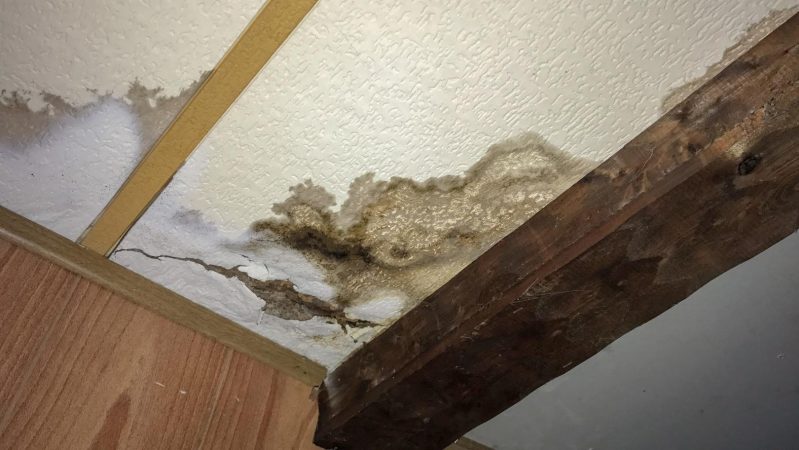
Mold damage on the ceiling
Attics
Attics are an attractive area for mold to grow because they are dark, damp, dirty, and poorly circulated. Leaks and condensation are a common problem in attics, and mold growth will feed on the dust and dirt. The best way to protect your attic from mold growth is to fix any window or roof leaks and try to improve the air circulation. You should have a professional inspect your roof once a year to find any leaks or other issues.
Air Conditioners
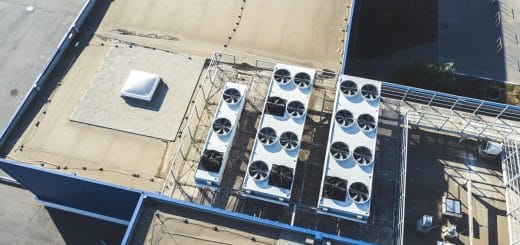
Air conditioners create condensation as they run and they take in outside air along with airborne dirt, pollen, and other materials that mold uses as a food source. Mold is most likely to grow in air conditioners that are not used for extended periods of time, so make sure you run your air conditioner every day. At the end of the summer, store window unit air conditioners in a dry place. You must clean the inside of mold contaminated window units with a solution of water and bleach. If your central air system is contaminated with mold, you need to call a professional.
Air Ducts
The air that passes through your air ducts can result in condensation, especially during the summer when you run the air conditioner. If mold forms in your air ducts, it can cause considerable damage to your HVAC system and contribute to poor indoor air quality because the mold spores will be dispersed into the breathing air when the system runs. Make sure you inspect your air ducts for signs of mold growth and check for leaks. If your HVAC system has an extensive mold problem, contact a mold removal professional for assistance.
Carpeting
The carpeting and padding in your home is at risk for mold growth if it is regularly exposed to moisture or poorly maintained. Carpets soak up moisture from wet shoes, spills, pet accidents, and condensation, and the dirt buildup in the carpet fibers only increases the risk of mold growth. Hidden mold under the carpet will cause serious damage to the carpet and padding before it becomes noticeable. The most effective measures you can take to prevent mold in your carpet are to vacuum at least once a week and clean up all spills immediately.
Washing Machines
The moisture from running a load of laundry collects in the gasket of the washing machine which can lead to mold growth and odd odors. The best way to prevent mold growth in your washing machine is to leave the door open so that it can air dry. If you prefer to leave the door closed, then wipe the water from the gasket with a towel after each load. You can remove a minor amount of mold from the gasket with a bleach solution.
Chimneys
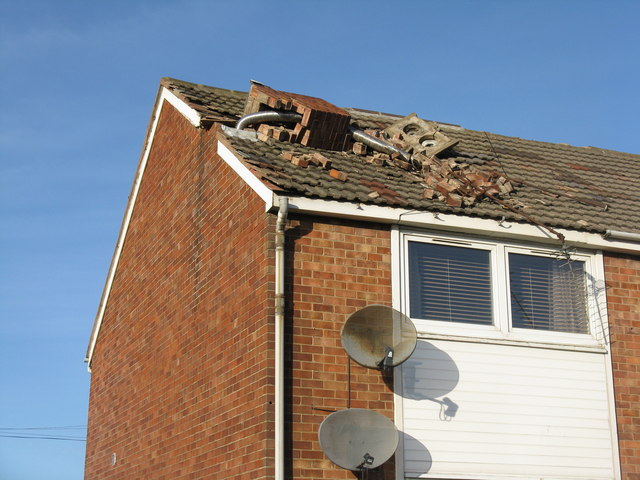
Chimneys are vulnerable to mold growth because they take in moisture from rain and snow, as well as leaves and other organic debris that can provide a food source for mold. Covering your chimney properly will help prevent mold by keeping out moisture and leaves. Calling a professional to clean your chimney will also help ensure that your chimney is clean and mold free.
Reach Out to a Mold Remediation Professional
With so many areas of your home vulnerable to hidden mold, it is very important to do regular mold inspections of your home to catch any mold issues before they cause considerable damage. Preventative actions are your best defense against hidden mold, and finding hidden mold in its earliest stages is the best way to prevent property damage. If you suspect that there may be hidden mold in your home, contact a mold remediation professional immediately to do a mold inspection and decide the right course of action. You cannot allow mold any time to grow and spread because this only increases the risk of property damage and related health issues.

About Vince Sandri
Vince Sandri is a content writer and blogger with more than 12 years of experience. His expertise is in creating content related to disaster restoration, including information about preventing and reacting to natural disasters like flooding, water damage, fire and smoke damage, mold growth, storm damage and more.
Vince has been the main contributor to RestorationMasterFinder.com since 2014. Over that time, he has written numerous service pages and blogs for disaster restoration providers featured on RestorationMasterFinder.com. Vince has done extensive research and covered a wide range of topics relating to disaster restoration to help homeowners, business owners, and property managers better protect their property. He understands the problems that disasters like flooding, fire, smoke, and mold can cause as well as the best ways to respond to these issues to limit the damage.
Vince completed his Bachelor of Arts degree at Aurora University and his master’s degree at DePaul University. He has been writing SEO website pages, blogs, and press releases since 2012. Vince is also a musician and can be seen playing in the Chicago, IL area.